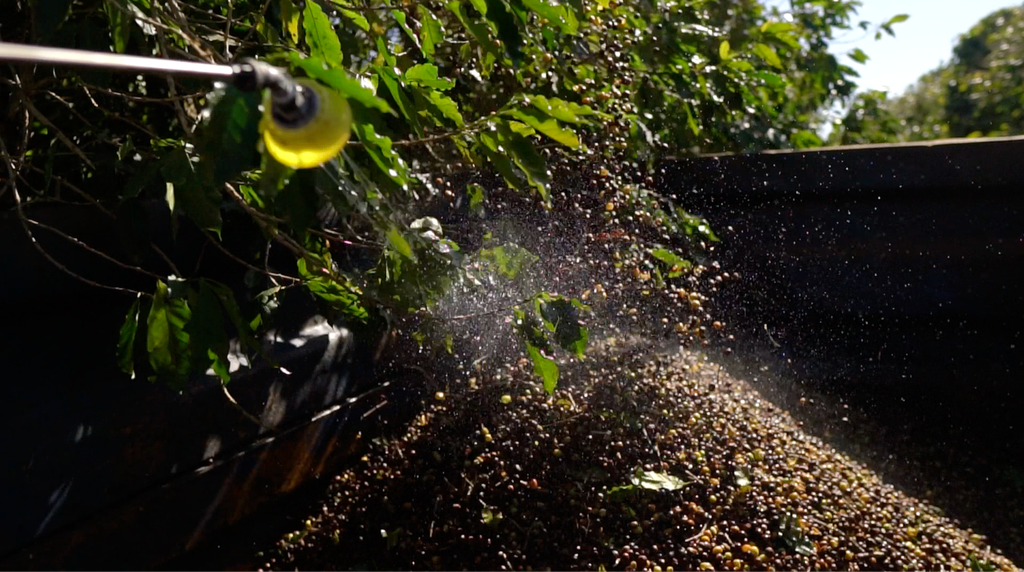
The world of coffee has been reinventing itself every day. Processes that were once frowned upon and avoided at all costs by producers are now being intentionally explored, such as fermented coffee, capable of transforming the beverage’s sensory characteristics.
Fermentation has always existed, and every coffee undergoes a process of spontaneous fermentation to some extent, whether during the drying process or even on the plant itself during fruit ripening. Historically, fermentation has always been present in coffee processing, occurring naturally under different conditions. What has been gaining ground in specialty coffees is the intentional and controlled use of this process to explore and direct sensory attributes, turning fermentation into a tool for innovation and differentiation.
To understand the complexity of a fermented coffee, one must separate what is a defect from what is a planned action.
Undesired fermentation is that which happens uncontrollably, often while still on the tree, in fruits that fall to the ground, or in coffee that catches rain during the drying phase. In it, microorganisms (such as unwanted fungi and bacteria) consume the fruit’s sugars chaotically. This alters the bean’s characteristics negatively, interfering with chemical compounds and causing severe defects in the beverage, such as the famous sour/stinker beans and vinegary or excessively bitter notes.
Na fermentação desejada, o produtor assume o controle. Leveduras e lactobacilos (sejam eles nativos ou adicionados) consomem a polpa e a mucilagem do fruto em um ambiente monitorado. A grande diferença aqui é a precisão. O produtor consegue direcionar a ação dos microrganismos para criar perfis sensoriais exóticos.
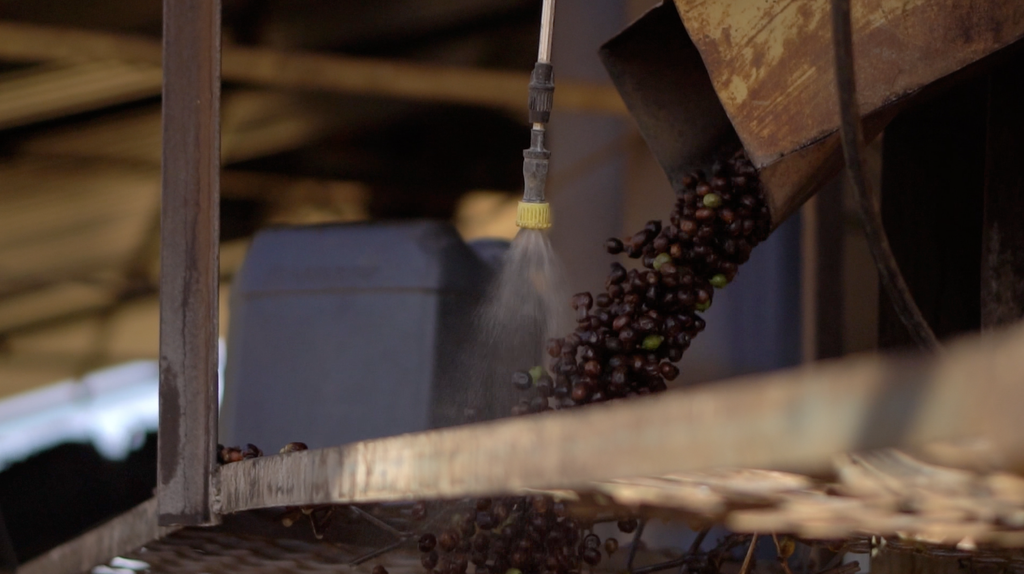
Upon starting fermentation, the producer keeps the coffee in a monitored environment. Yeasts and other microorganisms begin to consume the coffee mucilage, which is rich in water, pectin, sucrose, and other sugars. To ensure the process does not go too far, the producer monitors crucial indicators:
Brix Scale: This is the measurement of sugar concentration in the fruit. Through Brix, the producer tracks how much the microorganisms have already consumed and knows exactly the ideal moment to stop the fermentation.
pH Drop: As fermentation progresses, the production of organic acids occurs, causing a reduction in pH. This parameter must be monitored throughout the process, as an excessive drop can favor the development of unwanted sensory characteristics.
Temperature Rise: During fermentation, the activity of microorganisms releases heat, causing an increase in the temperature of the coffee mass. This parameter must be monitored, as very high temperatures can excessively accelerate fermentation and compromise the quality of the beans.
Fermentation can be done in various ways, and each producer develops their own protocol according to the specificities of their terroir. Factors such as proportion, types of microorganisms, whether it is submerged in water or not, temperature, and containers vary widely. The most well-known types of fermentation are:
Aerobic Fermentation (With oxygen) Occurs in the presence of air, generally in open tanks. It is a faster process and tends to generate coffees with sweeter, fruitier, and more classic notes.
Anaerobic Fermentation (Without oxygen) The coffee is placed in sealed tanks or barrels, without oxygen. To survive in this restricted environment, microorganisms start producing unique byproducts, such as different types of acids (lactic, acetic) and alcohols. This results in extremely complex coffees, with intense notes of spices, red berries, cocoa, and liqueurs.
It is precisely by recognizing the potential of fermentation and the capacity of this process to reveal new and complex sensory attributes that Bourbon has been investing in the development of fermented coffees.
Today, in addition to offering Alchemist our line that includes fermented coffees, we have also developed our own fermentation protocol, built on testing, technical monitoring, and practical experience. Through it, we offer support to partner Brazilian producers who wish to implement the technique on their properties, monitoring the different stages of the process and helping each producer to understand, control, and reproduce the results in their own reality.
When well executed, controlled fermentation elevates not only the beverage’s sensory complexity but also its market value and recognition. In quality evaluation, a lot that undergoes this process with excellence can increase its final score by about 2 points. This technique is capable of unlocking exotic aromas and flavor precursors that conventional processing simply cannot provide.
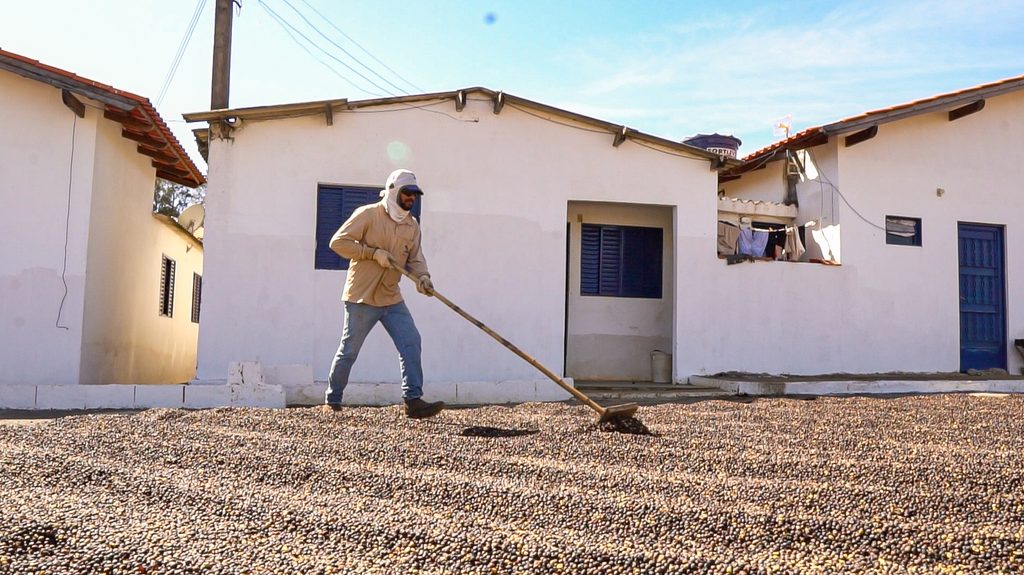
Technically yes, but it is not ideal. For fermentation to add value, the lot must already have a high potential for quality. This requires the selection of 100% ripe cherries with a high Brix degree (sugar), which will serve as food for the microorganisms.
The main one is Saccharomyces cerevisiae (the same used in wines and beers), with strains developed specifically for coffee. Lactic acid bacteria, such as Lactobacillus, are also widely used to bring bright acidity and fruity notes.
There is no single rule. The temperature is usually kept between 15°C and 25°C to avoid unwanted flavors. The time can vary from 24 to over 120 hours, being determined by monitoring the drop in pH, sugar consumption, and temperature rise.
No. Although fermentation produces alcohol and acids inside the container, these compounds evaporate completely during the drying and roasting of the bean. The final result is just a change in flavor notes, with no alcohol content in your cup.
It is a very different experience from traditional coffee. Fermentation unlocks exotic profiles, bringing vibrant acidity, syrupy sweetness, and intense notes that may resemble red berries, yellow fruits, spices, and even wine.