After months of hard work and dedication, the time for the long-awaited harvest has finally arrived. As is well known, to obtain an excellent coffee, the coffee plant goes through several stages. Among them is the final and most anticipated process: the harvest. The decisions made during this stage and its execution are determining factors for coffee quality.
There are different ways to harvest, and for each of them, one must consider what they wish to achieve from each crop. The logistics employed in each method, as well as the topographical conditions of each coffee plantation, must also be considered.
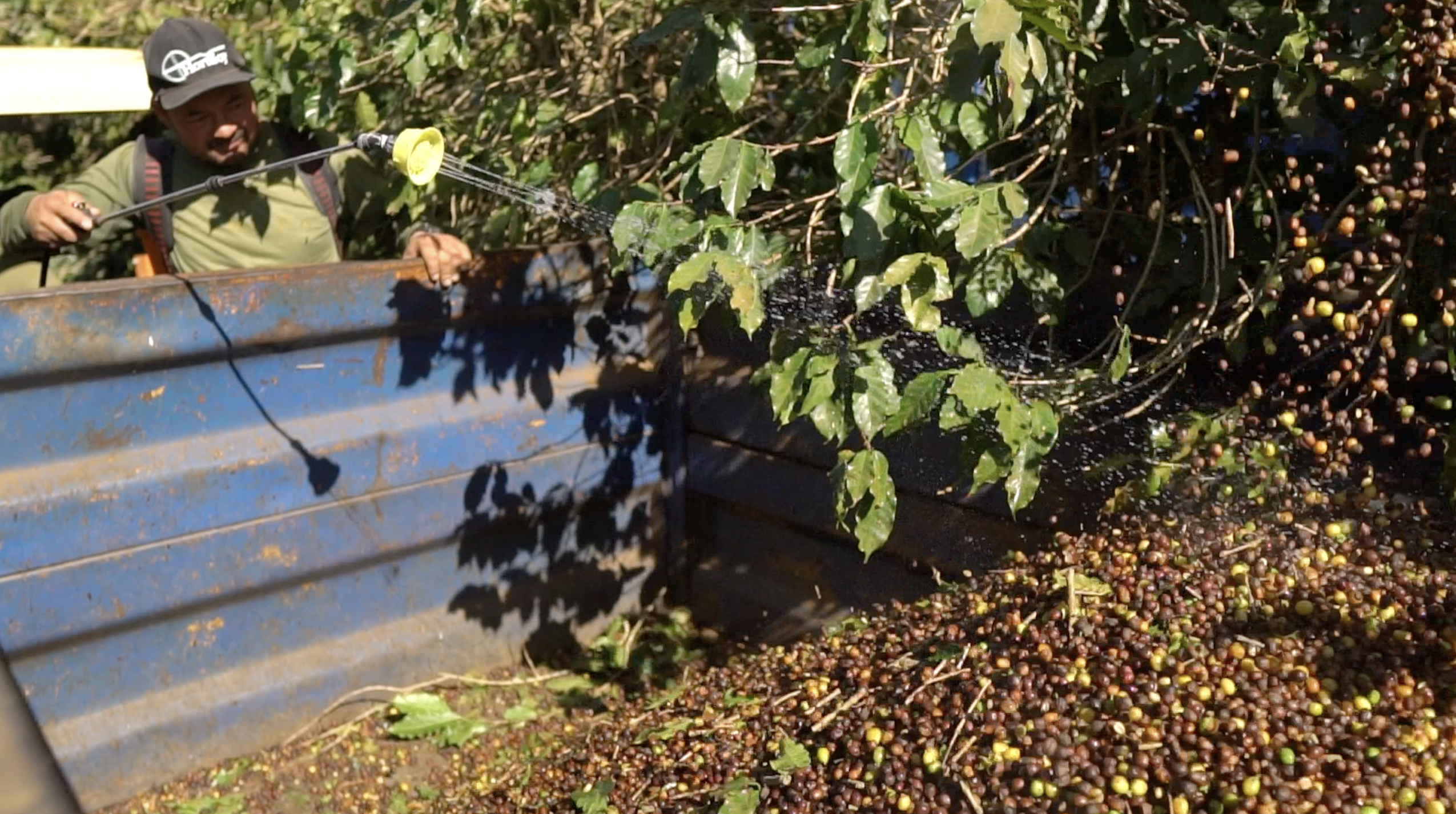
Another fundamental practice is the arruação (ground cleaning), which consists of clearing the soil under the canopy of the coffee tree, preventing the sweepings (fallen beans) from mixing with dirt and other impurities. Furthermore, the removal of vines and creepers is essential, as these plants can entangle and damage the rods of the equipment, impairing the efficiency of mechanized and semi-mechanized harvesting.
Finally, the harvest should begin when the crop registers a maximum of 20% green beans, thus ensuring the excellence and superior quality of the final beverage.
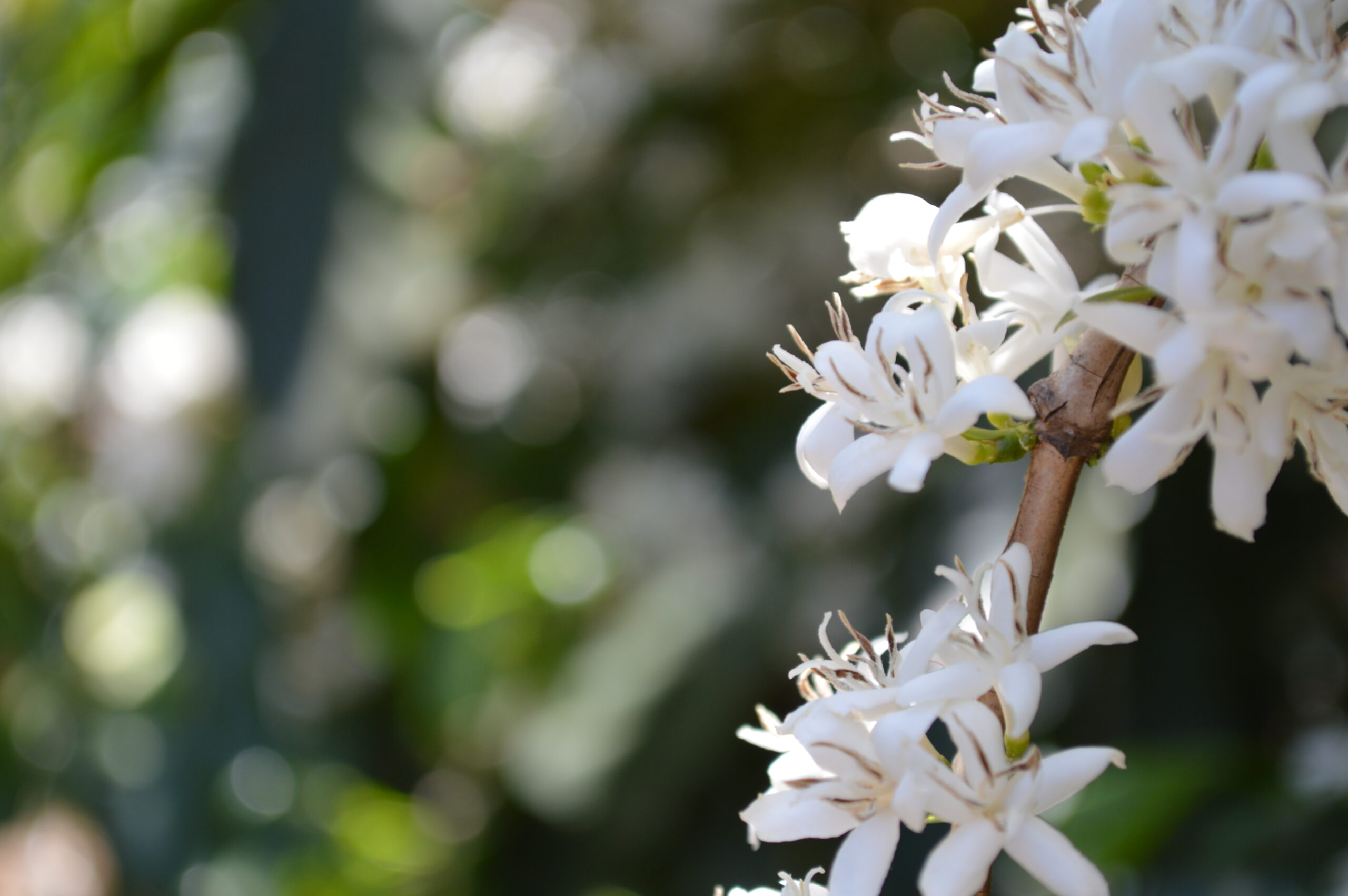
The coffee harvesting window is not uniform; it responds to a series of edaphoclimatic and agronomic variables, such as altitude, microclimate, rainfall volume, and the management practices adopted in the field. The maturation cycle is dictated by the blooming (flowering), a phenomenon that occurs once a year and depends directly on the first spring rains, right after the water stress period.
Because of this dynamic, the specialty coffee harvest in Brazil is generally concentrated between the months of May and September. However, in specific areas, such as the mountainous regions of Espírito Santo, the scenario changes. The unique microclimate—marked by strong oceanic humidity and high altitudes—causes multiple and widely spaced bloomings, in addition to drastically decelerating bean maturation. Due to this late cycle, picking operations in the field can extend until November and December.
There are three types of harvesting: manual, semi-mechanized, and mechanized. Each one will adapt according to what is desired from each crop and the logistics employed, in addition to the topographical conditions of each coffee plantation:
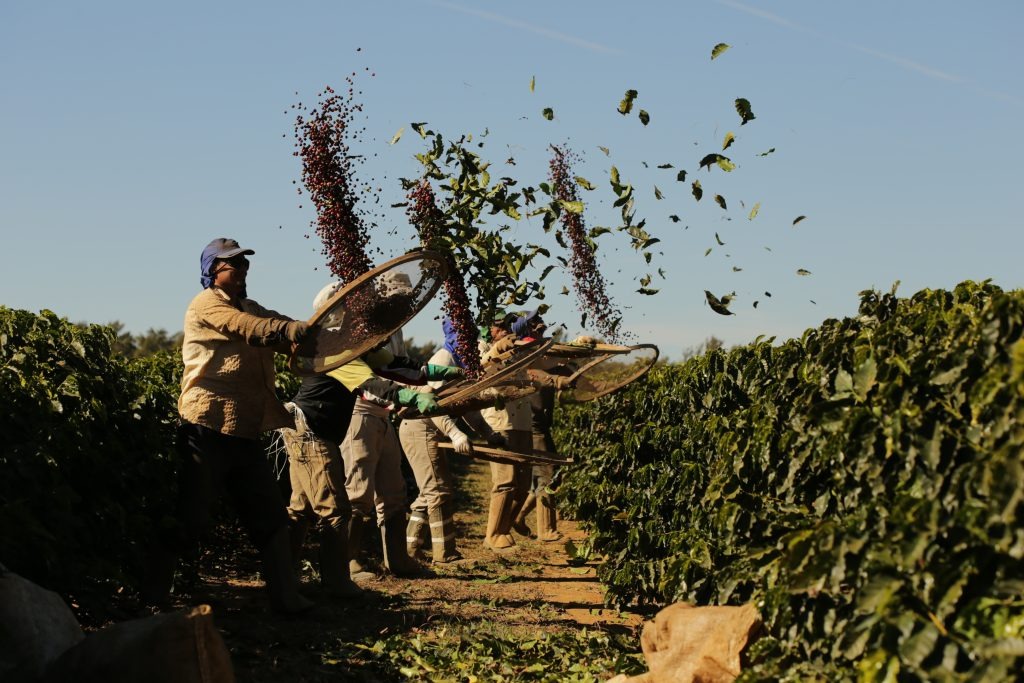
In this model, manual labor is used. The teams go to the field properly protected with their PPE (Personal Protective Equipment), such as hats, gloves, shin guards, safety glasses, and boots, to perform the manual harvest. This method stands out for being more selective and much less aggressive to the plant. For this reason, it is the most recommended technique for mountainous areas, given the difficulty of mechanization in rugged topographies, and is also the ideal choice for producers focused on high-scoring coffees. Although it requires a larger investment in labor and presents a reduced operational yield, this practice guarantees the integrity of the coffee plantation and the purity of the lot, delivering a bean with superior sensory potential.
There are two subtypes of manual picking:
Strip Picking : In this method, all beans are stripped from the branch regardless of their maturation state, including green beans. In this process, the harvest occurs only once per season.
Selective Picking : In selective picking, only the ripe (at their peak) cherry beans are harvested, leaving the yellow-green and green beans behind to ripen. This process is highly recommended for specialty coffees.
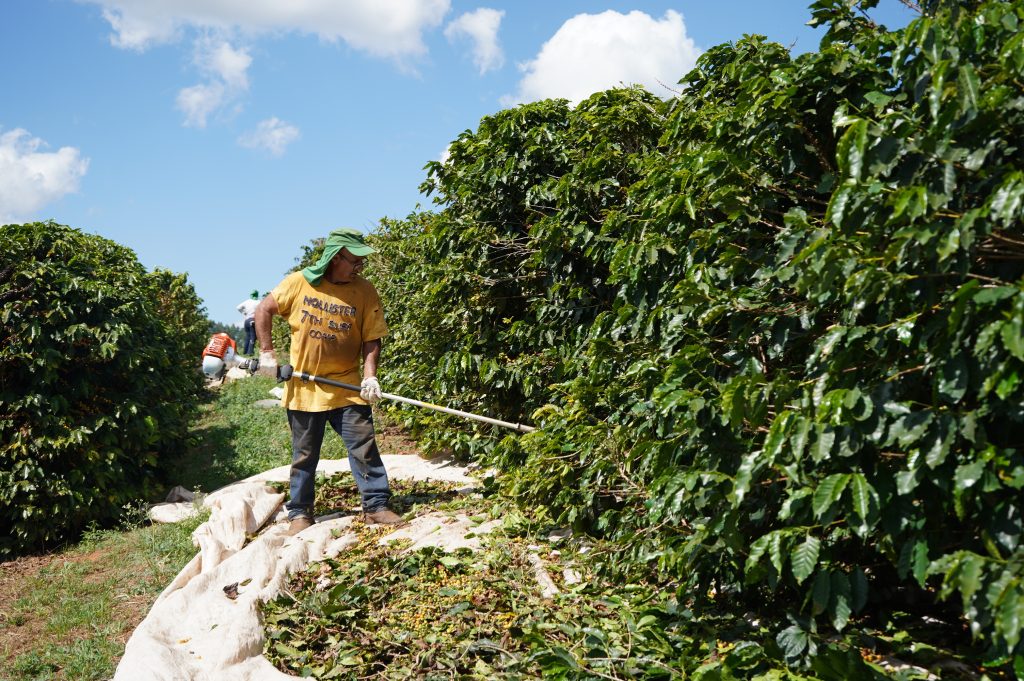
In semi-mechanized harvesting, handheld mechanical harvesters with vibrating forks are used to detach the fruits. With the help of tarps placed under the coffee trees, the collection becomes more dynamic. This optimizes labor, making the process faster and reducing the number of workers required.
In both manual and semi-mechanized processes, the workers perform:
Picking (Derriça): Stripping or knocking the beans off the branches.
Gathering: The workers collect the coffee that falls onto the tarps.
Sifting/Winnowing (Abanação): Cleaning to remove other debris from the coffee, such as leaves or stones.
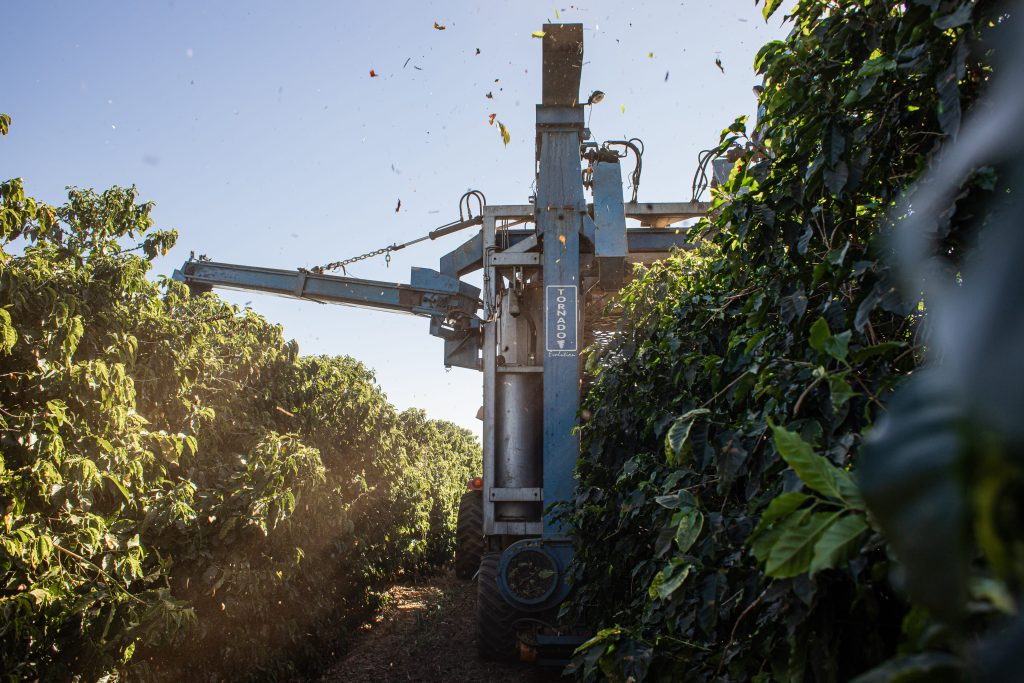
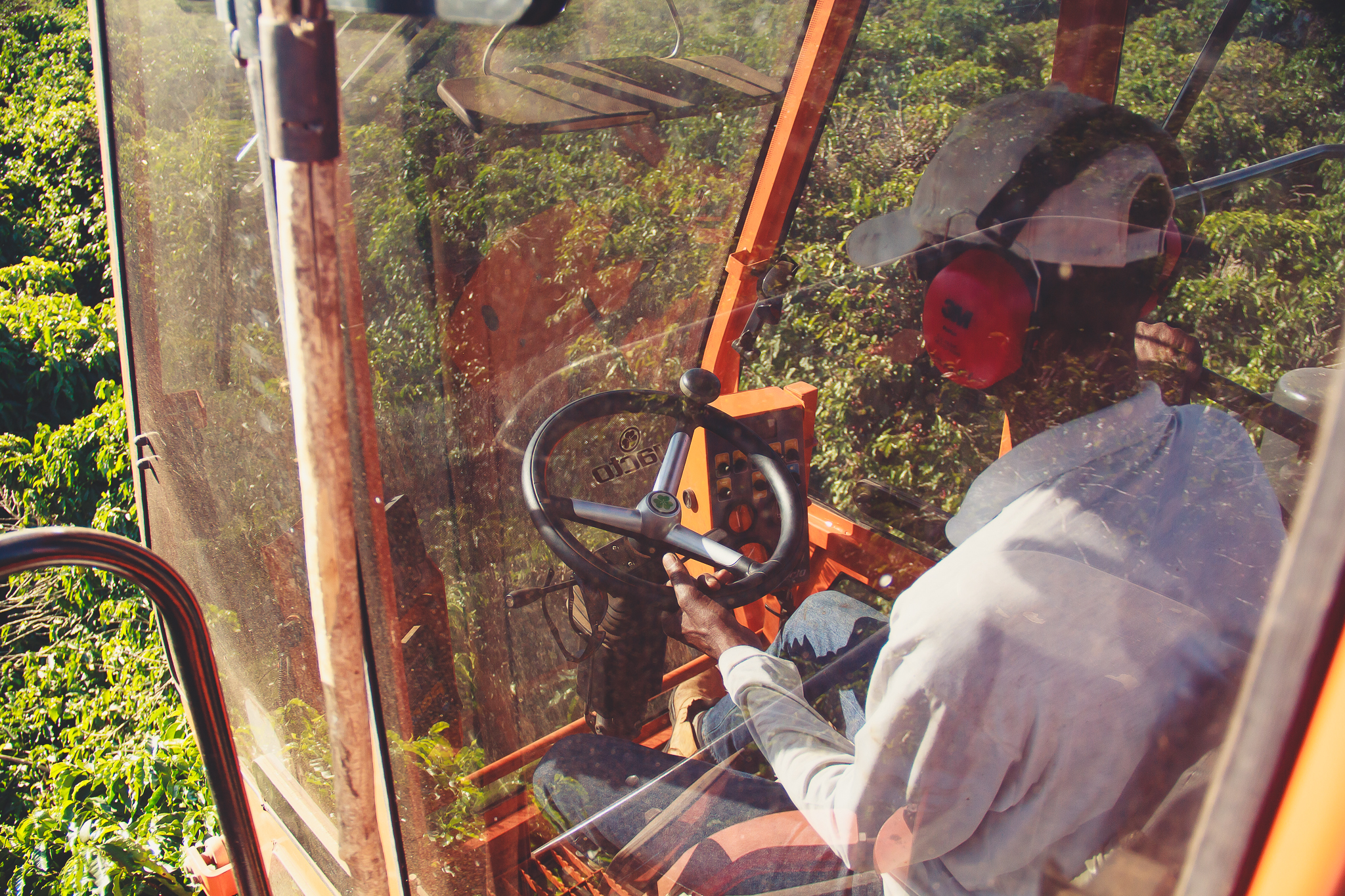
This method uses self-propelled harvesters that do the work of the handheld harvesters but go further. They not only detach the coffee but also perform the harvesting, cleaning, and storage work without the need for manual labor. However, this method is only used when there are no steep slopes or inclinations in the terrain. Usually, this method is extremely efficient and reduces operational costs.
In short, the harvest is the decisive moment that crowns the entire year’s work. Rigorous prior planning is indispensable to mitigate operational unforeseen events, optimize logistics, and drastically reduce fruit waste in the field. Although this is the most costly stage of the entire production chain, flawless execution protects bean quality and producer profitability. Ultimately, treating the harvest with technical excellence transforms this high operational cost into a guaranteed financial return on investment.