Coffee production faces several challenges throughout the crop cycle. Among the most important are pests and diseases, which can compromise yield, bean quality, and ultimately the economic results of the harvest.
Every coffee field is naturally exposed to these risks. However, efficient management does not begin with spraying. It starts much earlier, with planning, monitoring, and data driven decision making.
The starting point for efficient control is constant monitoring of the crop.
Frequent observation of the plants allows early identification of warning signs such as leaf spots, perforations, premature leaf drop, or the presence of insects. This monitoring is essential to detect problems while they are still in the early stages.
Early identification makes it possible to act at the right time, preventing infestations from spreading or causing greater damage to production.
Among the most common pests in Brazilian coffee production are:
• Coffee leaf miner, which damages the leaves and reduces the plant’s photosynthetic capacity
• Coffee berry borer, an insect that drills into the cherries and directly compromises bean quality
Regarding diseases, some of the most relevant include:
• Coffee leaf rust, one of the most significant diseases affecting coffee, causing defoliation and yield losses
• Cercospora leaf spot, which causes lesions on leaves and fruits and may affect both productivity and bean quality
These threats require continuous technical monitoring, since each situation demands specific management strategies.
An important principle in modern crop management is understanding that the presence of a pest does not automatically mean an immediate application is necessary.
Decision making usually considers factors such as:
• level of infestation
• crop stage
• weather conditions
• potential economic damage
This concept is known as the economic damage threshold, which helps determine when pest populations actually justify intervention.
This approach avoids unnecessary applications, reduces costs, and minimizes environmental impacts.
Pest and disease control does not occur only when problems appear. A large part of the strategy is preventive.
Proper agronomic practices help make coffee plants more resilient, including:
• balanced plant nutrition
• adequate pruning practices
• good air circulation within the crop
• proper field management
These factors strengthen plant development and reduce conditions that favor the spread of diseases.
When monitoring indicates the need for intervention, different control strategies can be used.
The most common approaches include:
Biological control
The use of natural organisms that help control pest populations.
Chemical control
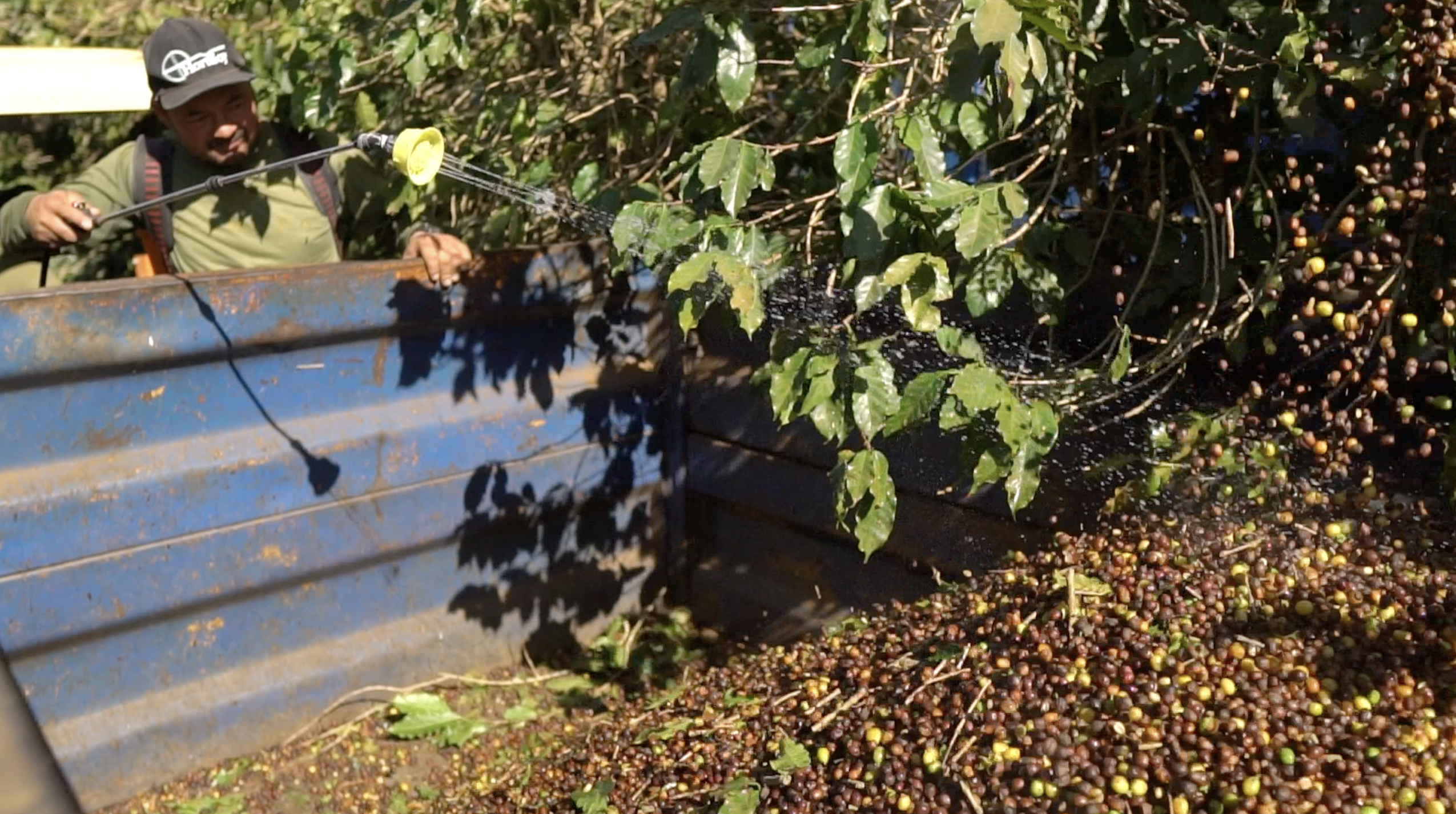
The application of crop protection products based on technical recommendations, respecting the correct dosage and timing.
Integrated management
A combination of different methods to achieve greater efficiency and sustainability in pest and disease control.
The choice of strategy depends on the specific conditions of the field and should always follow technical guidance.
The effectiveness of control does not depend only on the product used. Other factors are equally important, such as:
• correct timing of application
• appropriate dosage
• application technology
• weather conditions during the operation
When these elements are properly managed, it is possible to avoid waste, increase control efficiency, and reduce unnecessary environmental impacts.
Modern pest and disease management in coffee production is built on constant observation, technical analysis, and responsible decision making.
With proper planning and continuous monitoring throughout the crop cycle, producers can reduce losses, preserve productivity, and protect coffee quality.
More than simply reacting to problems, efficient management focuses on anticipating them, transforming information and field monitoring into strategic tools for sustainable coffee production.