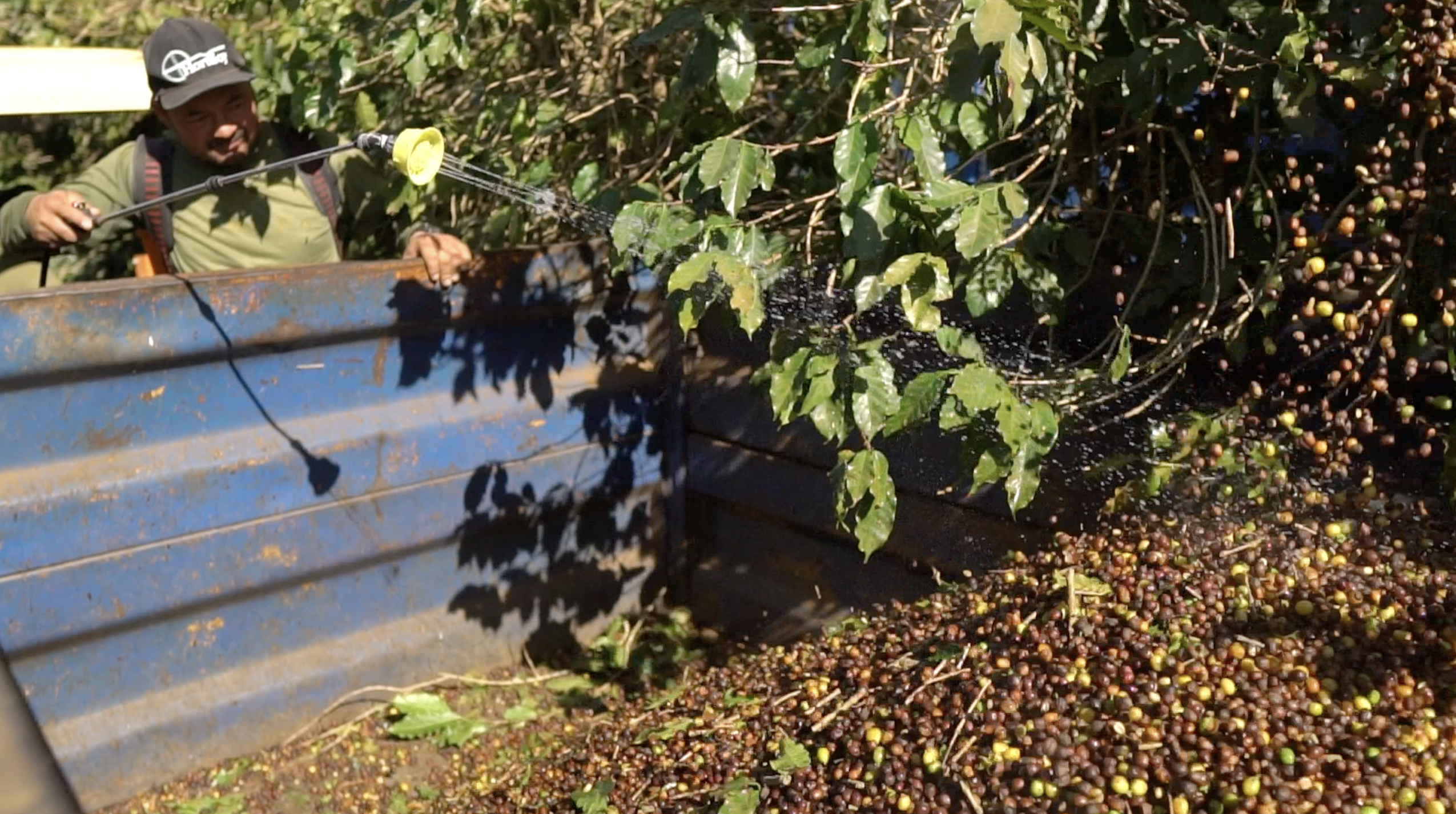
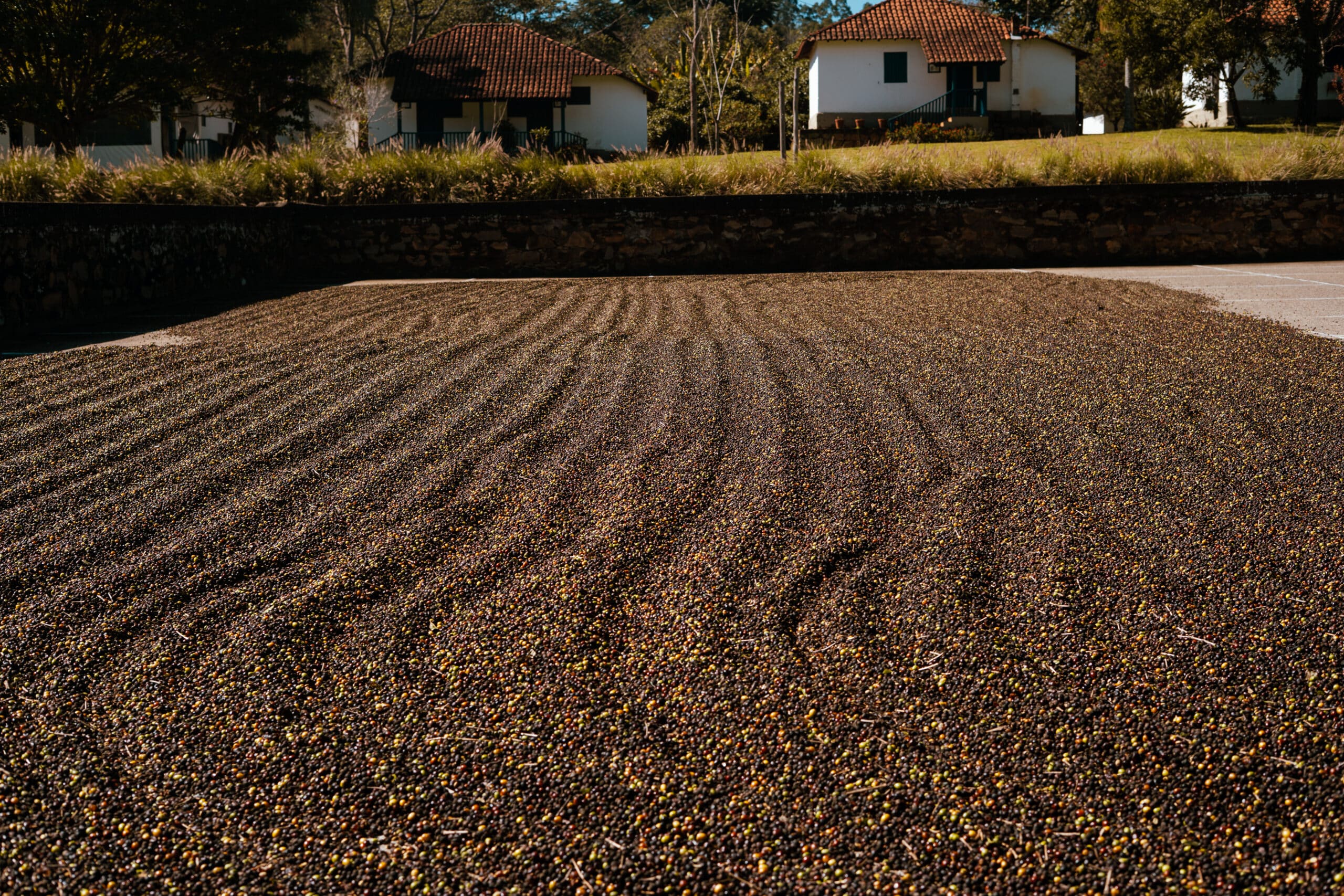
When talking about coffee, it is fundamental to consider the two main species cultivated commercially in the world: Coffea arabica and Coffea canephora. After all each presents its own agronomic, sensory, and productive characteristics, which directly influence the beverage’s profile and its application in the market.
Coffea arabica
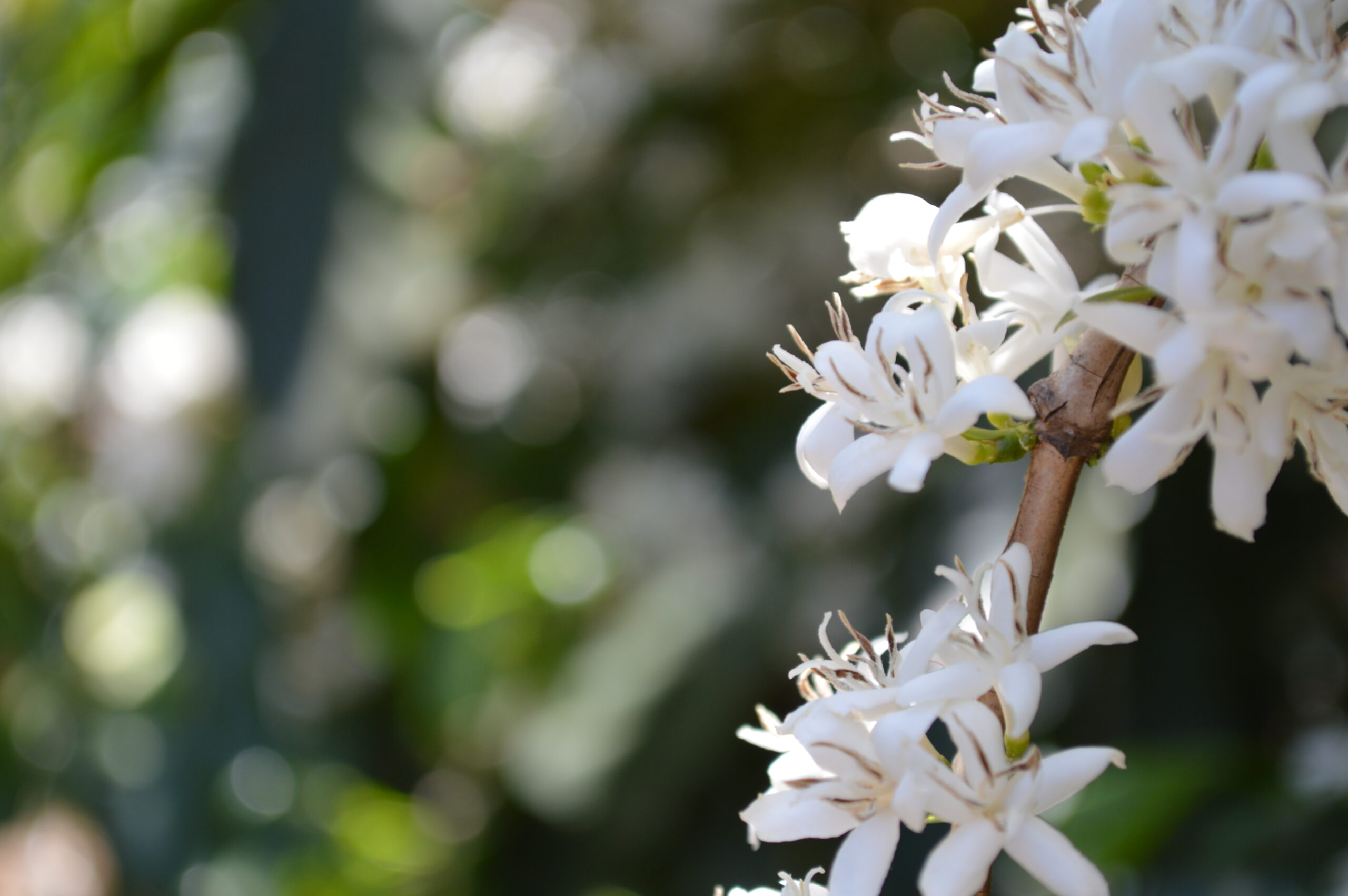
Coffea arabica, known simply as Arabica, leads global production and occupies the largest planting area. Its main characteristics include:
- Plant structure: Producers grow their seedlings from seeds, and the plant grows in a single-stem manner, meaning it develops a single main trunk.
- Leaves and fruits: The tree has smaller, dark green leaves, as well as larger, more oval-shaped fruits, which contain a greater amount of mucilage and adhere more firmly to the branches.
- Sensory and chemical profile: In terms of the beverage, Arabica delivers a lower caffeine content and lower levels of soluble solids. On the other hand, the species stands out for a more delicate and complex sensory profile, with higher acidity and aromatic richness.
- Cultivation regions: Experts indicate its cultivation for higher altitude regions, and the species predominates in Brazil in the states of Minas Gerais and São Paulo.
Coffea canephora
Coffee growers propagate Coffea canephora, which has Robusta and Conilon as its main commercial varieties, either by seeds or by clones. Its main attributes are:
- Plant structure: Unlike Arabica, the plant grows in a multi-stem manner, exhibiting larger, lighter green leaves. In addition, it resists high temperatures better and shows greater hardiness.
- Leaves and fruits: Its fruits are smaller and more spherical, contain less mucilage, and adhere less to the plant.
- Sensory and chemical profile: Canephora has a higher caffeine content, a lower sugar content, and a higher concentration of soluble solids, which contributes to a more intense and full-bodied beverage.
- Applications and cultivation: For this reason, the industry widely uses these beans in the production of espresso coffees, blends, and soluble coffee. Producers cultivate this species at altitudes below 800 meters, with a strong presence in the states of Bahia, Espírito Santo, and Rondônia.
Moreover, understanding the differences between Arabica and Canephora helps to value coffee diversity and to recognize the role of each species in building different beverage profiles and market applications.