A coffee farm can span hundreds of hectares and house diverse cultivars, with different planting ages and soil characteristics. Because of this diversity, even though the harvest period is the same, fruit ripening occurs at different paces. Identifying the exact moment for harvesting and differentiating the sensory profile of each plot is crucial for achieving an excellent harvest.
This is exactly what quality mapping is for. More than just guiding the operation, it allows the producer to accurately define where to start the work and strategically separate the most promising areas. But how does this work in practice?
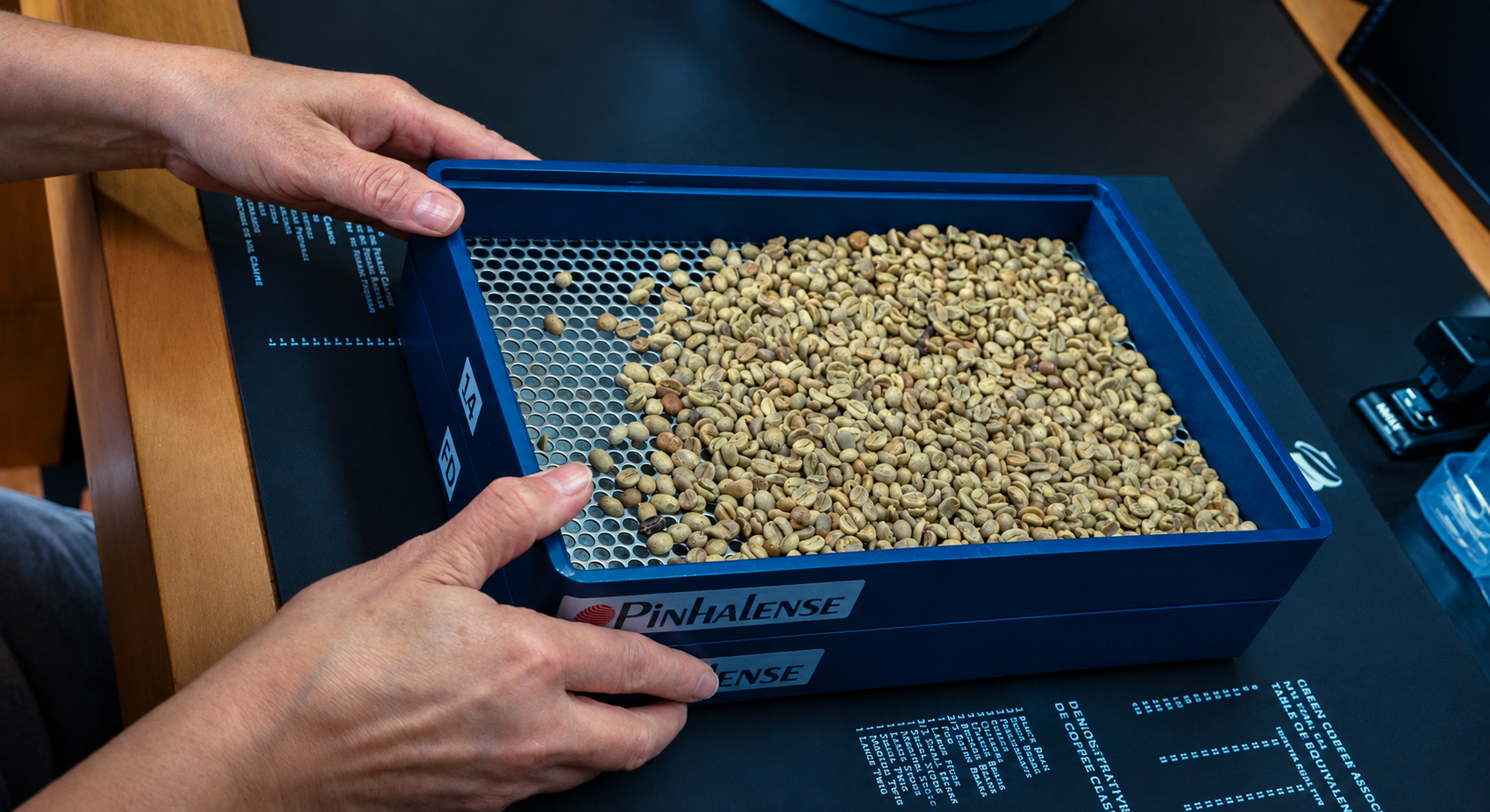
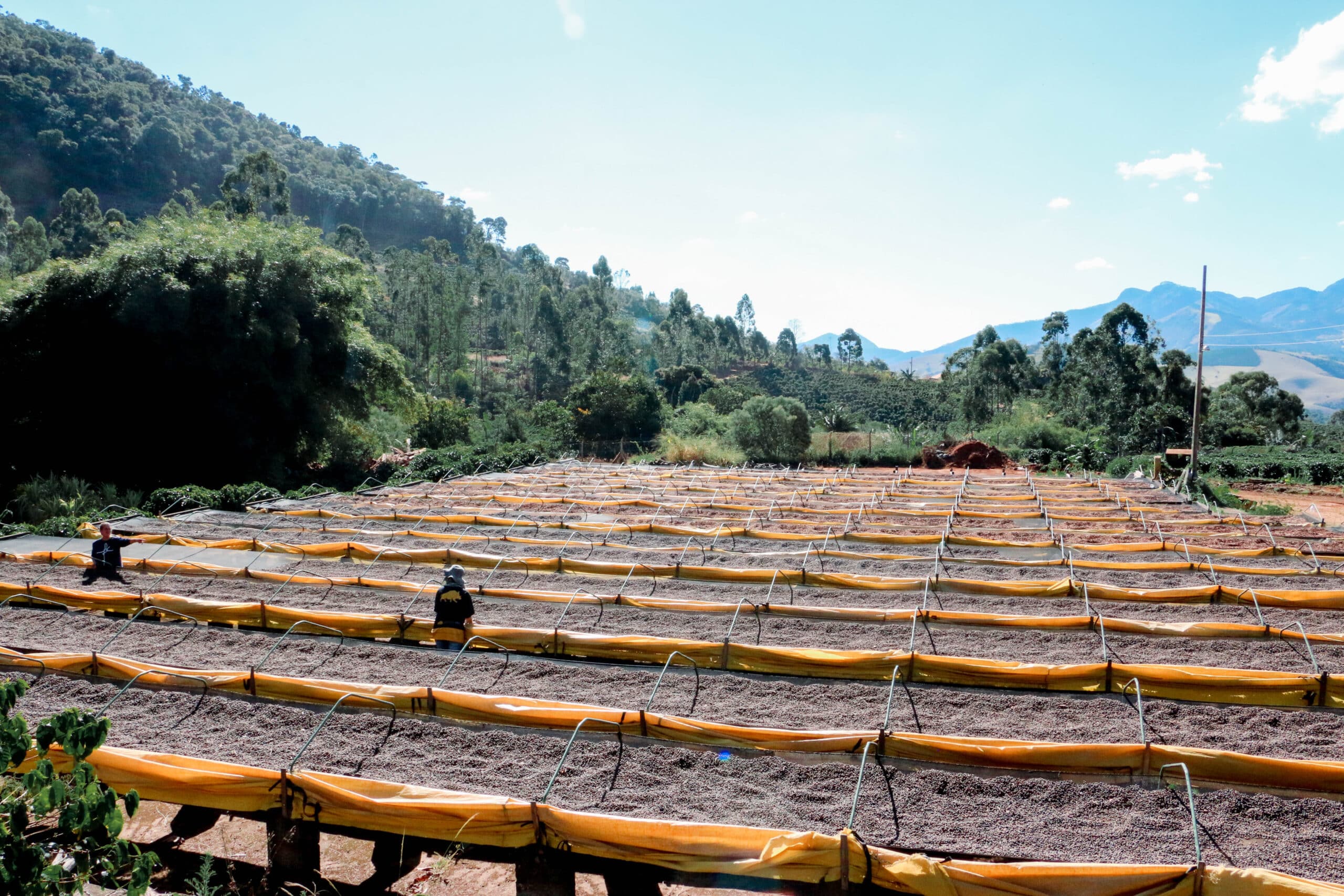
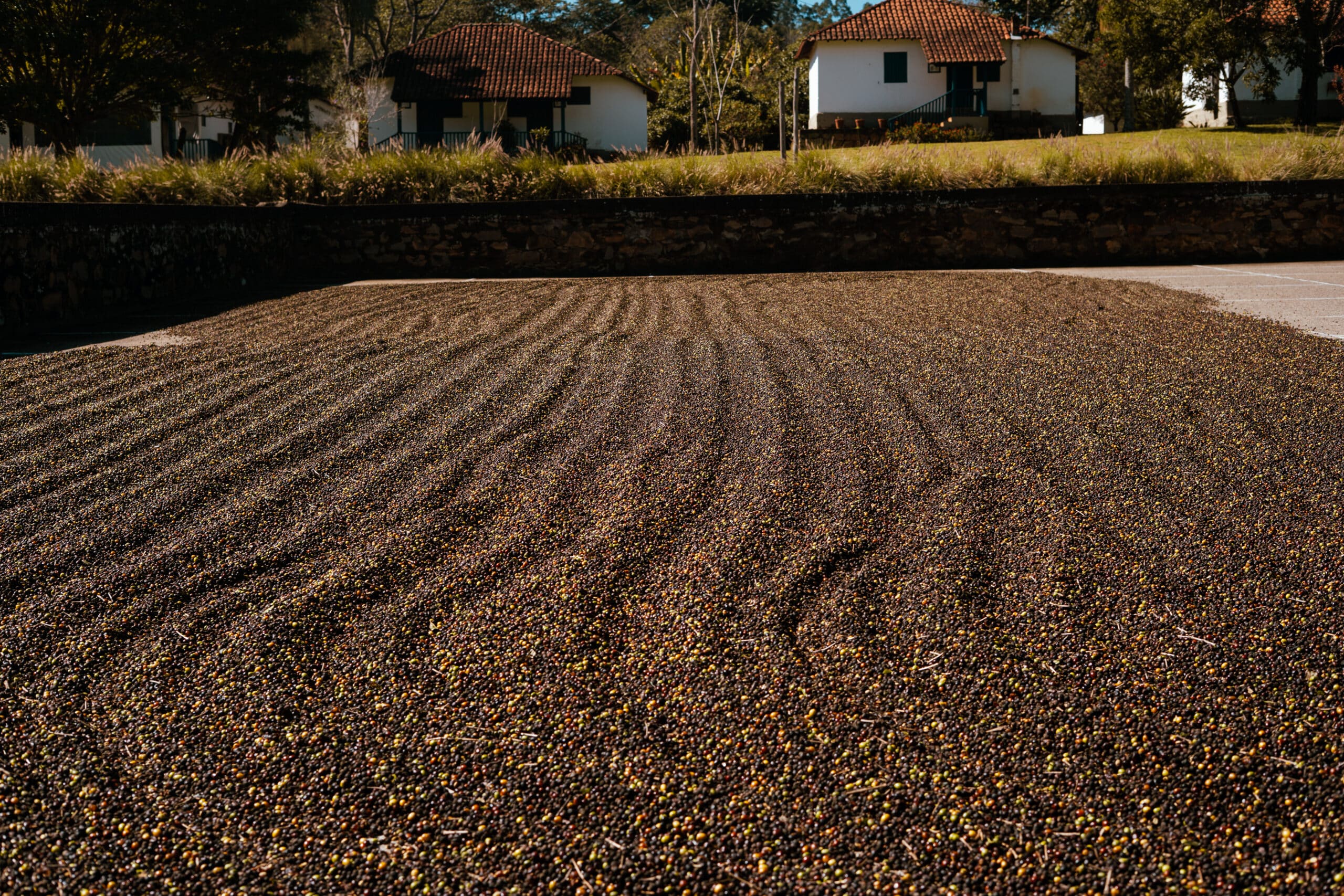
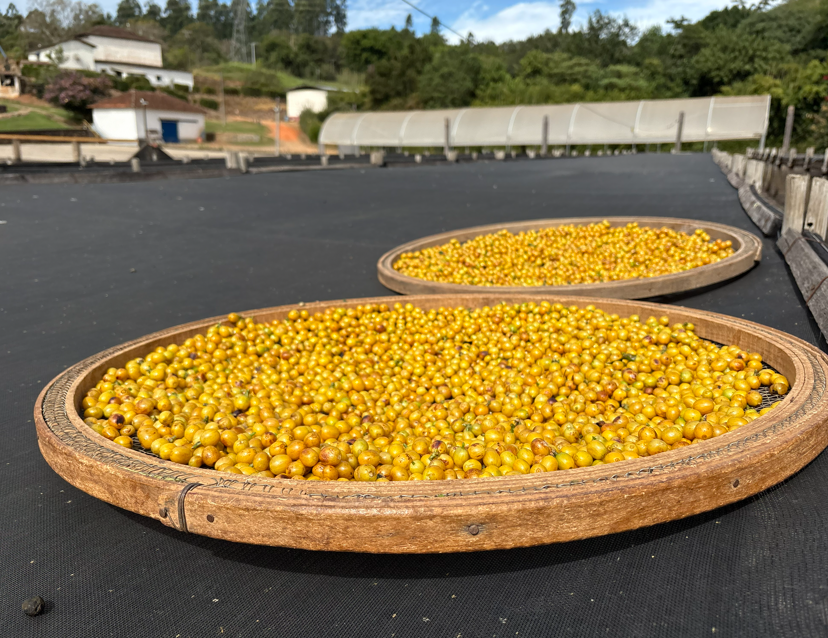
This process involves collecting samples of ripe coffees from various points in the coffee plots, followed by drying and tasting before the main harvest. Some producers also dry these coffees as naturals and pulped naturals to determine the best processing method. With this process, organizing the harvest becomes easier, selecting priority plots for quality, possible lot blends, and those that will not be a priority regarding sensory quality.
For this strategy to deliver precise results, the field execution follows a strict step-by-step process, starting with:
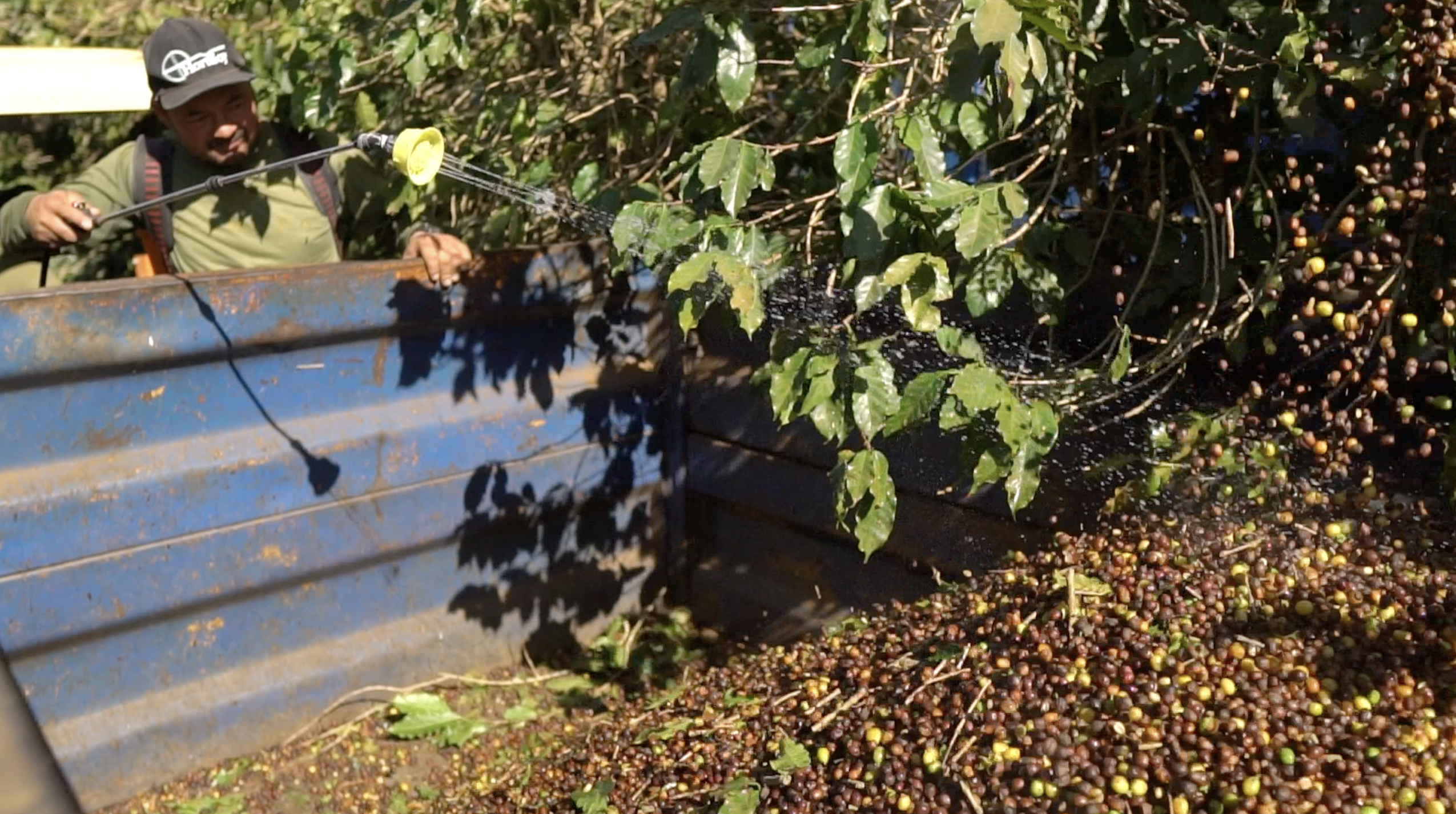
The process begins approximately one month before the scheduled start of the harvest. The technical team must go to the plots and perform a complete strip-picking of 5 coffee trees that best represent the production of that area (avoiding diseased or atypical plants). The total volume obtained from these plants is measured to calculate the estimated average production of the field.
From the total stripped volume, exactly 1 liter of coffee is separated. The objective here is to count how many cherries are at each ripening stage. Obtaining this exact percentage is what allows the producer to accurately estimate the ideal moment to send the machines or the team to that specific plot.
For the estimation of cup quality, the focus shifts exclusively to the ripe cherries. It is important to separate 5 liters of cherry coffee from each location. With the 5-liter samples ready, producers usually process them using different methods (such as natural and pulped natural) and take them to a cupping session before the main harvest even begins. This reveals how the coffee from that plot reacts to each processing method.
The great advantage of mapping is predictability: by tasting the lots before the official harvest, the producer assertively directs their efforts, prioritizes the plots that hold the greatest potential, and is thus able to highlight the cup quality while maximizing the farm’s profitability