The 2026 harvest presents striking contrasts. On the one hand, we are experiencing a positive bieniality cycle. The favorable weather conditions, driven by high rainfall volumes between January and March, were fundamental for proper cherry development and indicate a harvest with great productive potential.
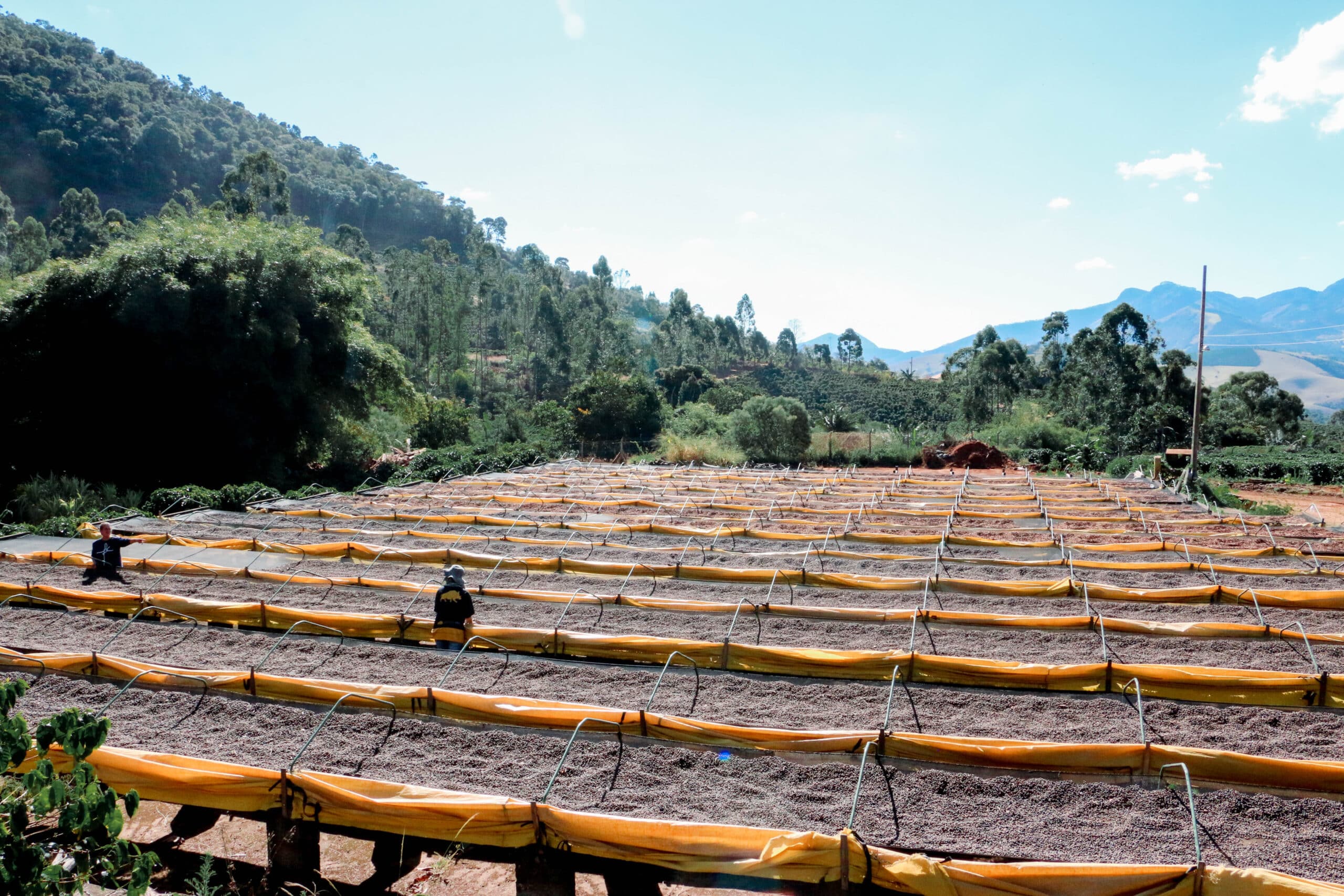
On the other hand, the year also brought significant challenges, mainly to the Brazilian Southeast, where important Arabica coffee-producing regions are concentrated. Although the official start of the harvest occurred on April 25, the rains persisted until June in several locations.
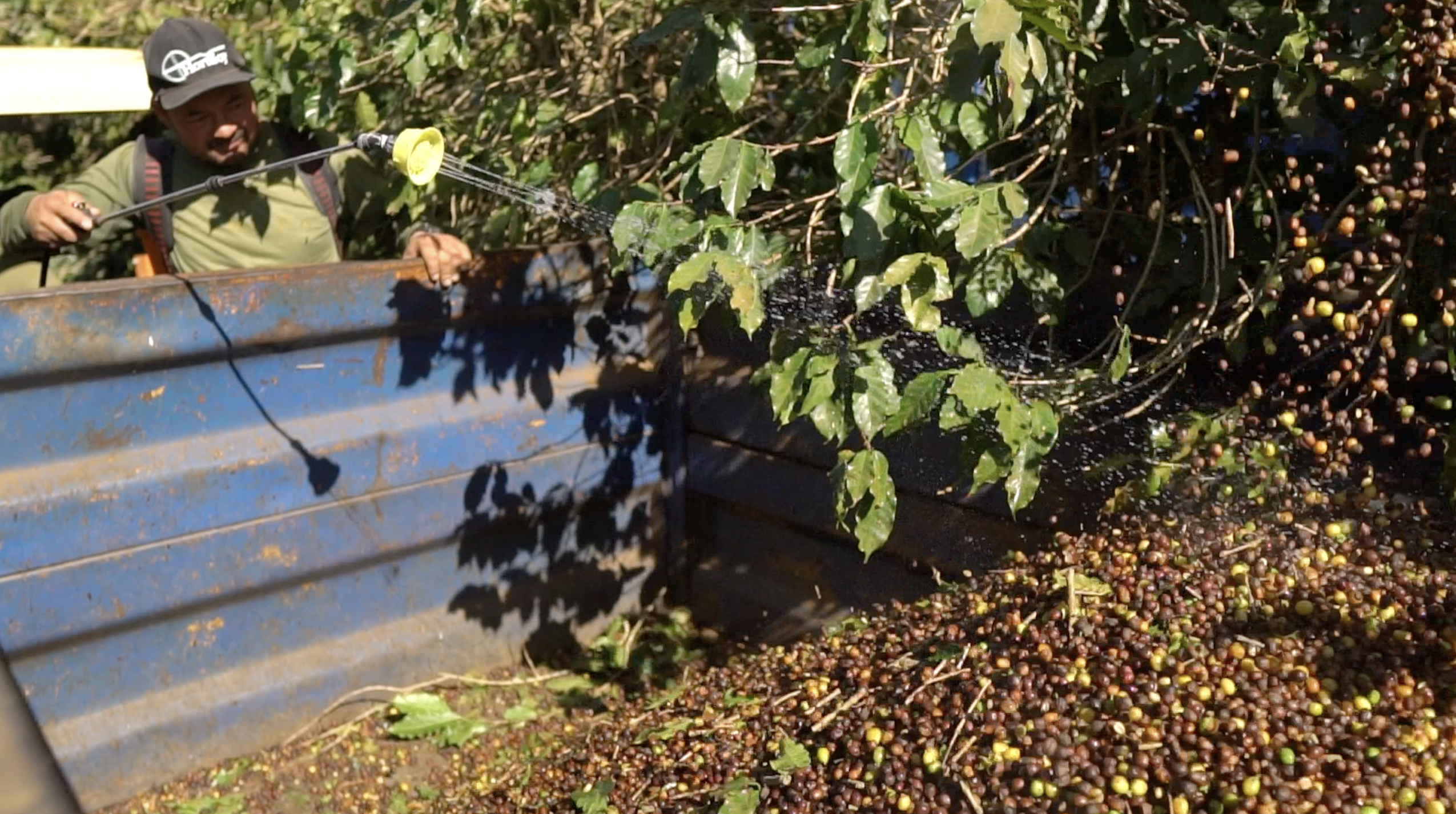
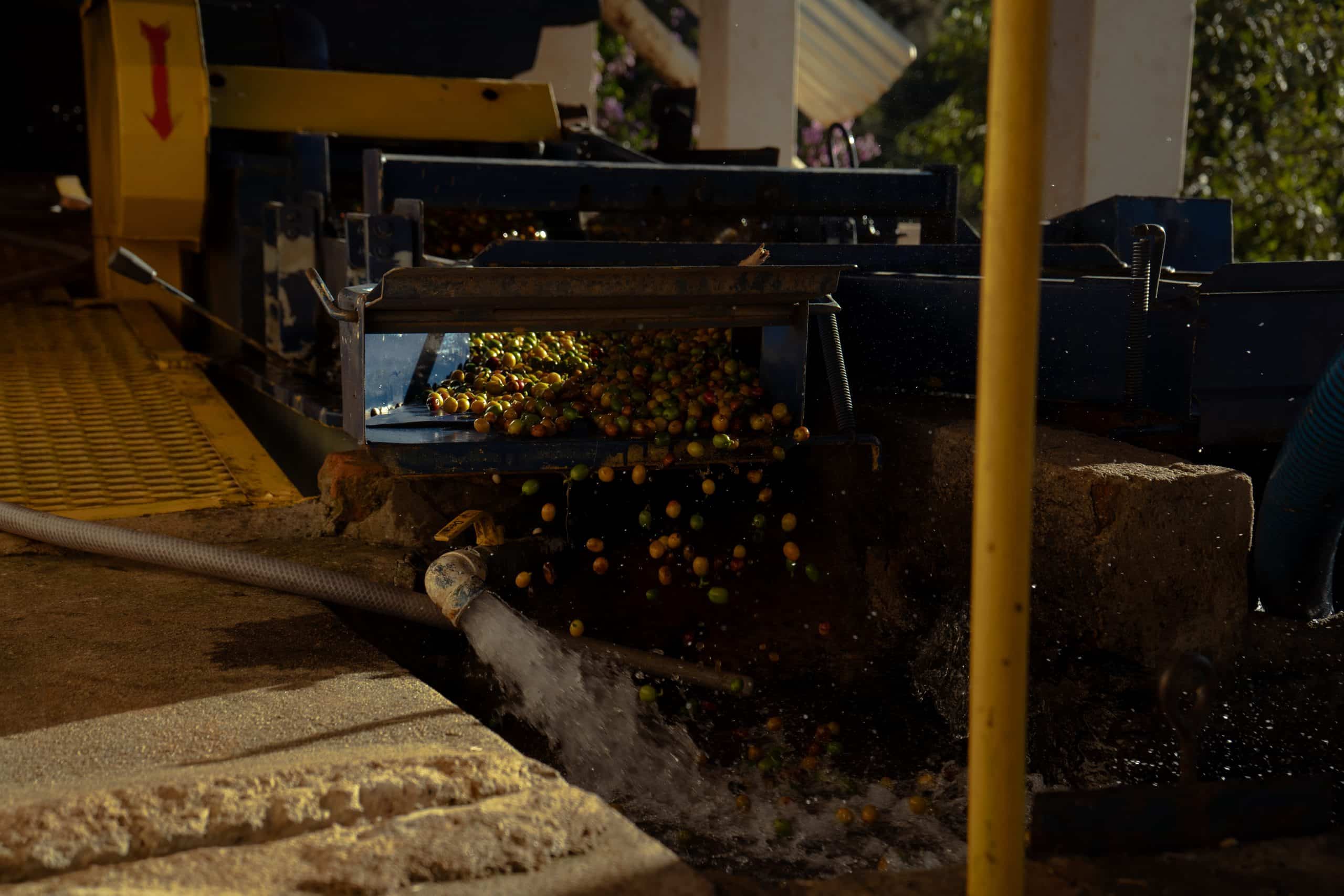
As a consequence, this scenario resulted in premature fruit drop, a reduction in the percentage of cherry coffees, and greater difficulty in carrying out the harvest and drying processes, compromising part of the expected qualitative potential.
It is undeniable that rains are essential for the vegetative development of coffee trees. However, when they occur outside the ideal season, precisely during the harvest, they become a major risk factor. In addition, excess moisture hinders both field operations and grain drying, favoring unwanted fermentations and increasing the incidence of physical and sensory defects.
Even so, this reality was not uniform across the country. Regions like the Cerrado Mineiro, for example, traditionally have a lower incidence of rain during this period, providing a more efficient harvest and a more homogeneous drying of the coffees.
Thus, this contrast shows that, although national estimates point to a voluminous harvest, it is not possible to generalize the production quality across all regions. After all, in the same year, some origins deliver coffees within the expected profile, while others face quality losses due to weather conditions.
Faced with this scenario, a fundamental question arises:
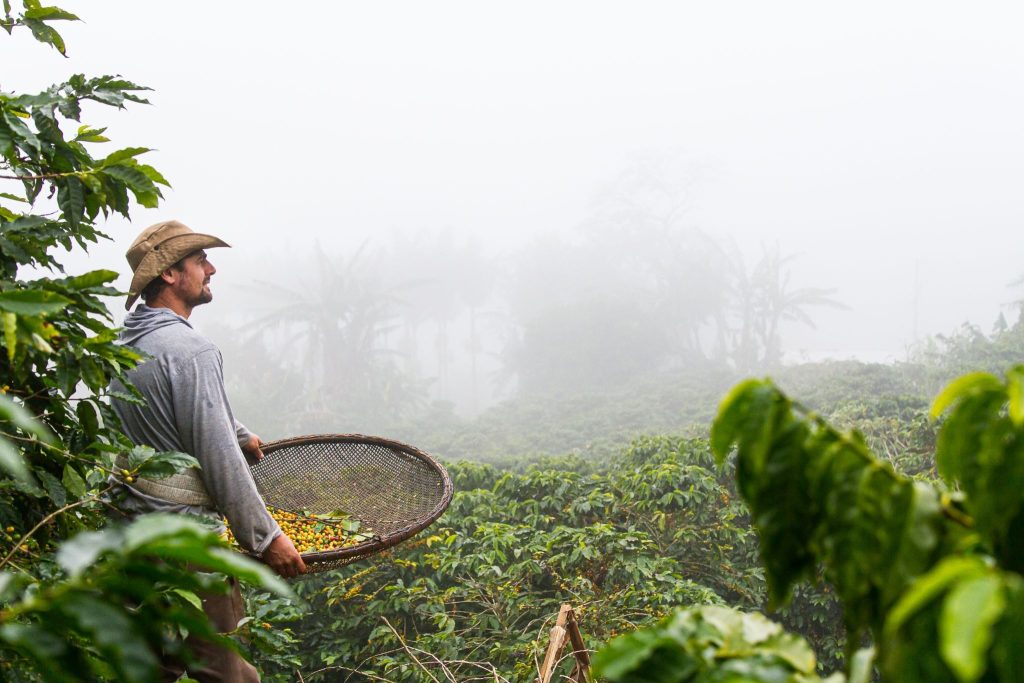
Ensuring consistency begins long before purchasing the coffee. To achieve this, it is necessary to deeply know the origin of each lot: which farms produced it, which micro-regions performed best, which areas suffered the greatest impact from the rains, and which maintained good maturation and drying conditions.
Consequently, this level of traceability allows for much more assertive purchasing decisions and significantly reduces quality risks. After all, in challenging years, the origin ceases to be merely geographical information and becomes an important indicator of that coffee’s sensory potential.
In this context, no company, no matter how large, can replace a presence in the field. This is because the constant monitoring of producing regions, carried out by agronomists, graders, and technical teams, allows for an understanding of the reality of each property throughout the harvest.
Moreover, frequent visits make it possible to evaluate the evolution of maturation, monitor harvest and post-harvest practices, and quickly identify any changes that could impact the final quality of the coffee.
At the same time, this contact strengthens the relationship between exporter and producer. From this perspective, knowing who produces the coffee, understanding their challenges, and building a relationship of trust creates more solid and lasting partnerships. In turn, this bond facilitates the exchange of information, increases supply predictability, and allows both to work together to meet the standards demanded by the market.
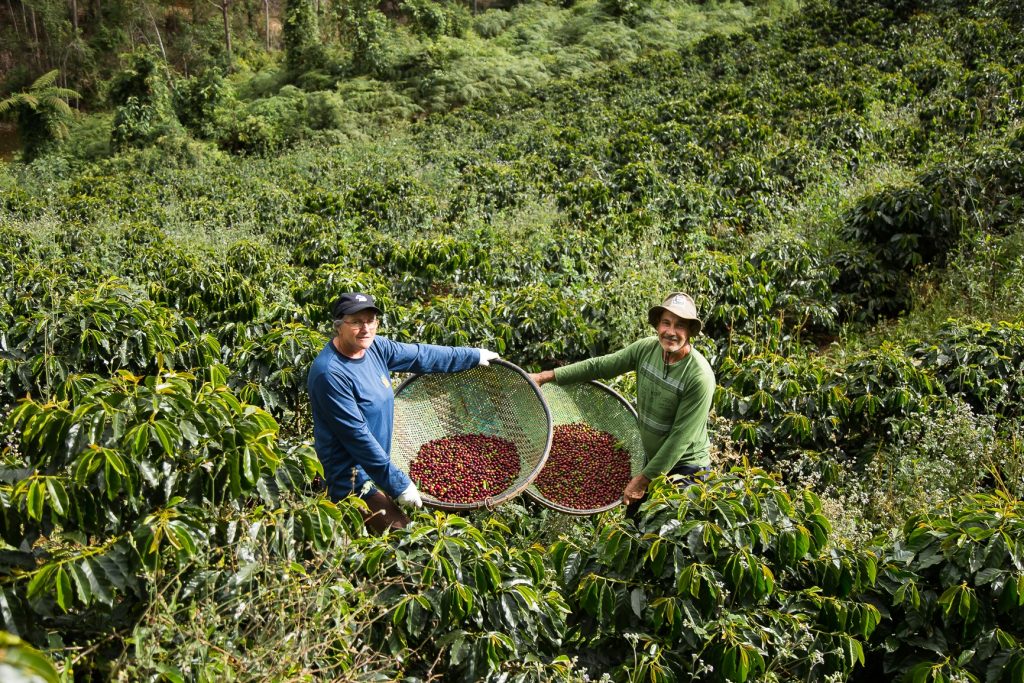
Added to this, although certain origins are recognized for a characteristic sensory profile, this profile is not the result of a single farm, but the combination of different terroirs present within the same region. Altitude, sun exposure, soil type, rainfall patterns, and management practices cause small areas to develop quite distinct characteristics from one another.
As such, when a particular producer fails to deliver the expected profile, whether due to climatic influence or other agronomic factors, it does not necessarily mean that the entire region has lost its identity.
In these cases, a well-structured origin effort allows access to other micro-regions that have preserved the desired characteristics. This flexibility expands purchasing possibilities without losing the regional profile expected by clients, making quality management much more efficient.
All this knowledge about origins, producers, and micro-regions converges into one of the coffee industry’s most important tools: grading and strategic lot management.
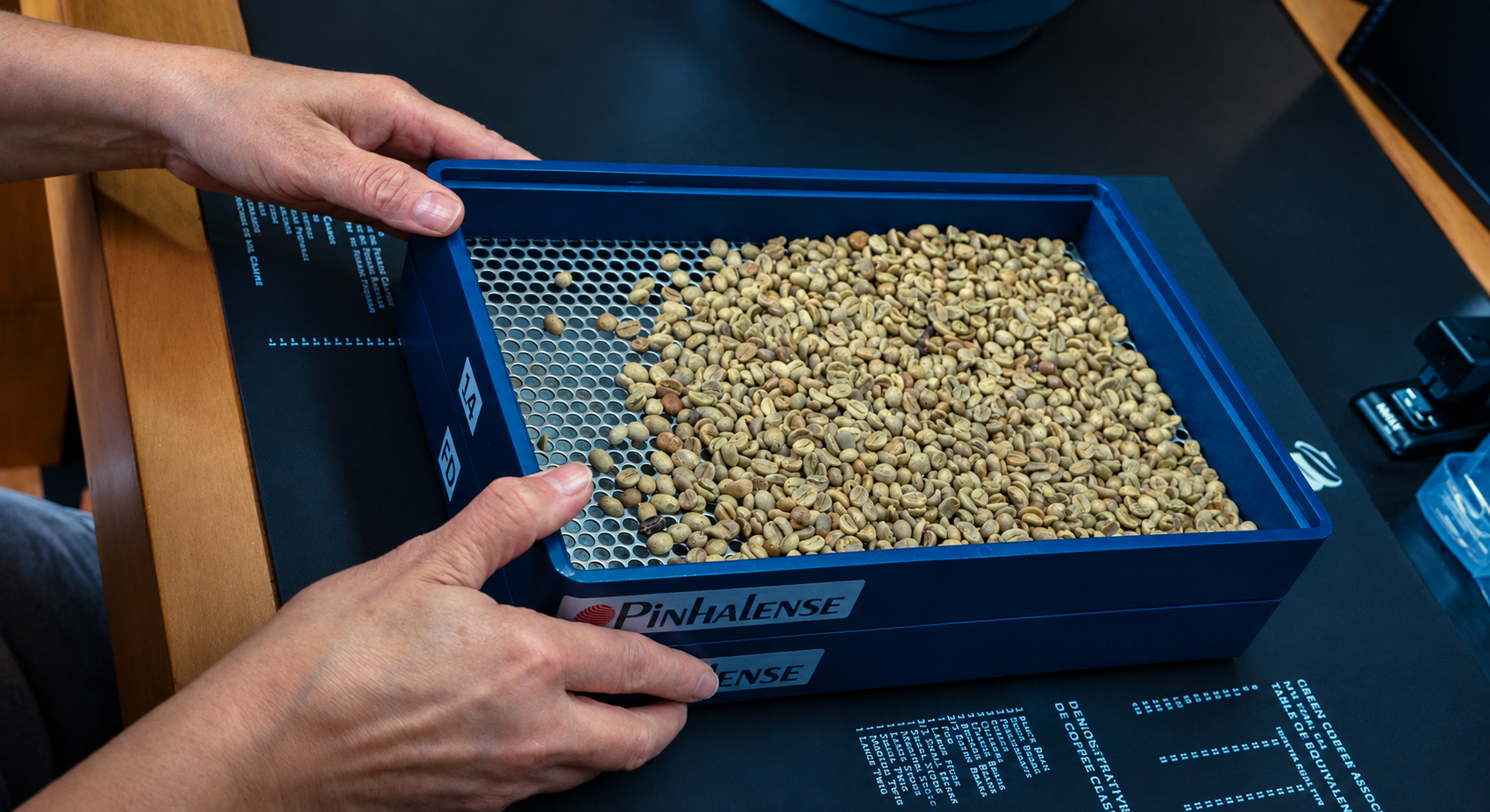
Building blends goes far beyond merely mixing coffees. It is a technical process based on continuous sensory evaluations conducted throughout the entire harvest.
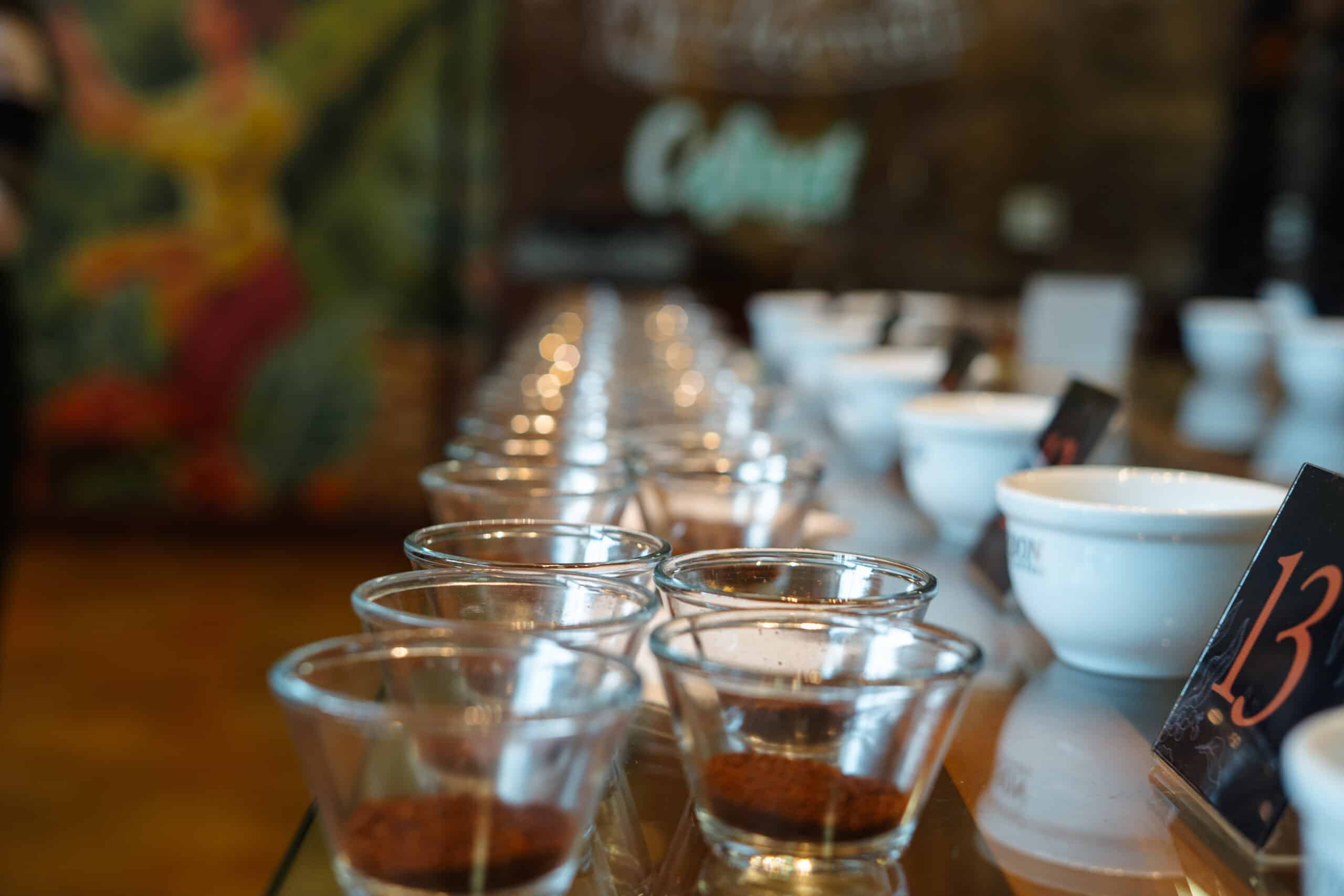
Through frequent cupping sessions, graders identify the individual characteristics of each lot and determine how different coffees can be combined to achieve the desired profile, balancing attributes such as sweetness, acidity, body, and finish.
This strategy also reduces reliance on a single origin. If a specific region experiences a loss of quality due to weather conditions, coffees from other farms and producing micro-regions can complement the blend without compromising the established sensory standard.
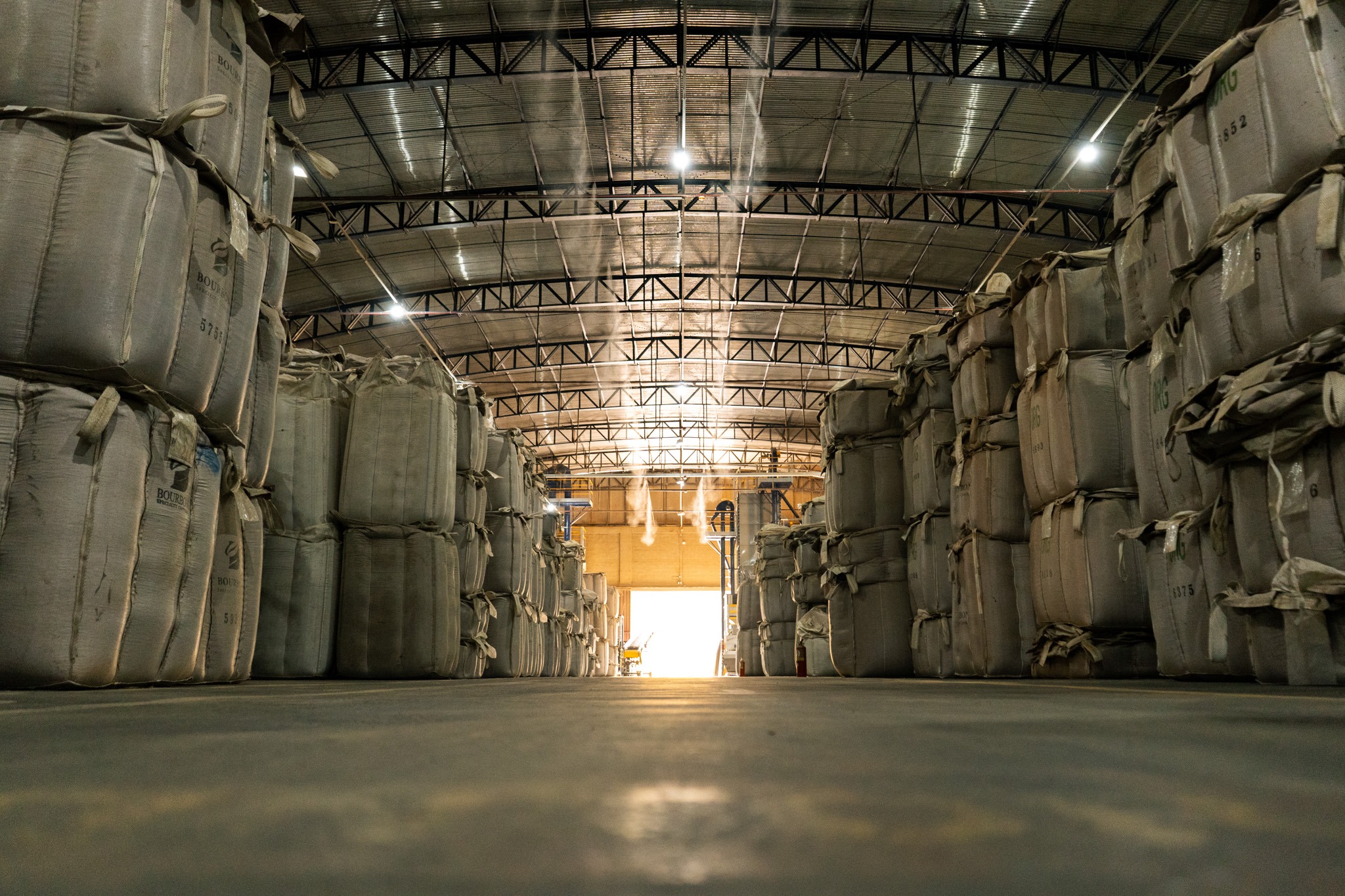
Through this strategy, it is possible to ensure a safer and more predictable supply, allowing roasters to receive coffees with consistent characteristics across different shipments and throughout the entire year.
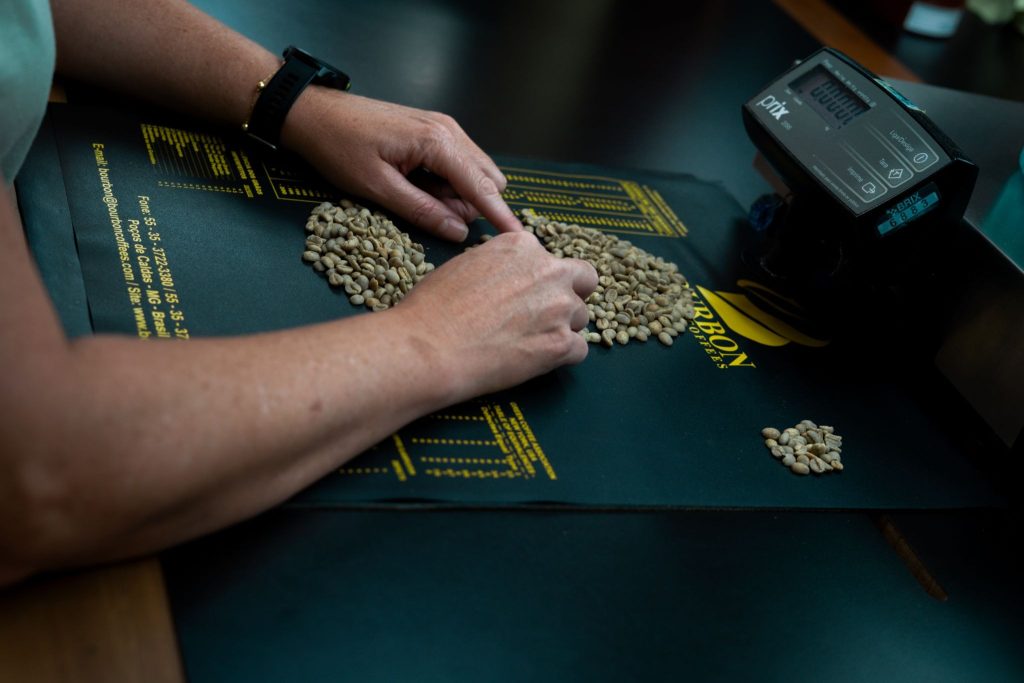
In a harvest marked by contrasts like that of 2026, maintaining consistency requires much more than selecting good coffees. It requires knowing the origins, cultivating solid relationships with producers, and understanding the existing diversity within each region.
In the end, consistency is not about finding identical coffees every year something practically impossible given the natural variations in agriculture. It lies in the ability to adapt strategies, select the right lots, and use all the knowledge accumulated throughout the supply chain to deliver to the client, harvest after harvest, the quality profile they expect.