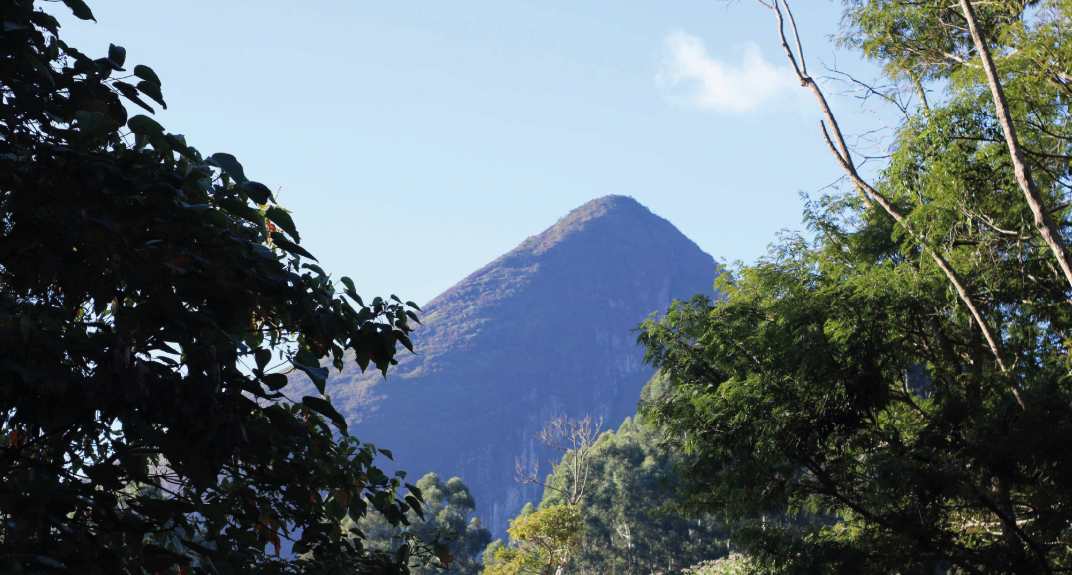
The highlands of Caparaó are one of the most beautiful regions in Brazil, a highly sought-after tourist destination, and the cradle of excellent coffees with a complex and delicate sensory profile. This Designation of Origin is located on the border between the states of Minas Gerais and Espírito Santo and comprises 16 municipalities. The region covers an area of 4,754.63 km².
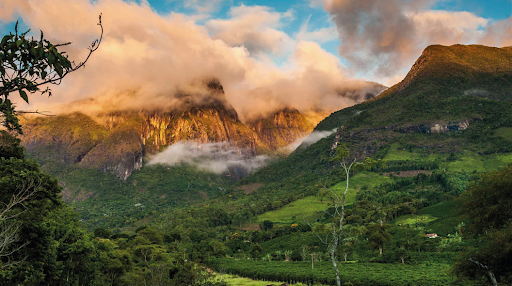
It is within this territory that the third highest point in Brazil is found: Pico da Bandeira, at 2,892 meters of altitude. Thanks to this imposing relief, the region’s coffee plantations are cultivated at high altitudes, ranging from 800 to 1,400 meters—a determining factor for the production of specialty coffees of the highest quality.
Far beyond the mountains and peaks that shape the landscape, the region is situated within an Atlantic Forest preservation area. It is a true ecological sanctuary that shelters over a thousand springs and three of the main river basins in Minas Gerais: the Itabapoana, Itapemirim, and Doce rivers.
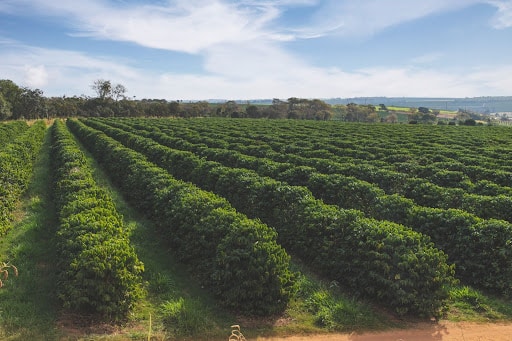
Caparaó possesses diverse microclimates that favor coffee cultivation. Furthermore, the region’s high altitudes provide a slower and more prolonged maturation, allowing the full development of sugars and nutrients in the fruit. The area also enjoys an abundant rainfall regime, with annual precipitation levels ranging from 1,200 to 1,600 mm. Although this high volume could represent a challenge for the coffee tree, the steep slopes where the crops are planted ensure balanced drainage, preventing root waterlogging. Finally, even with excellent sun exposure in the mountains, the altitude acts as a thermal regulator, keeping the average annual temperature mild, between 19°C and 22°C. It is the synergy of all these characteristics that establishes the Caparaó terroir as the ideal setting for specialty coffees, driving an impressive average production of 2.4 million bags per year.
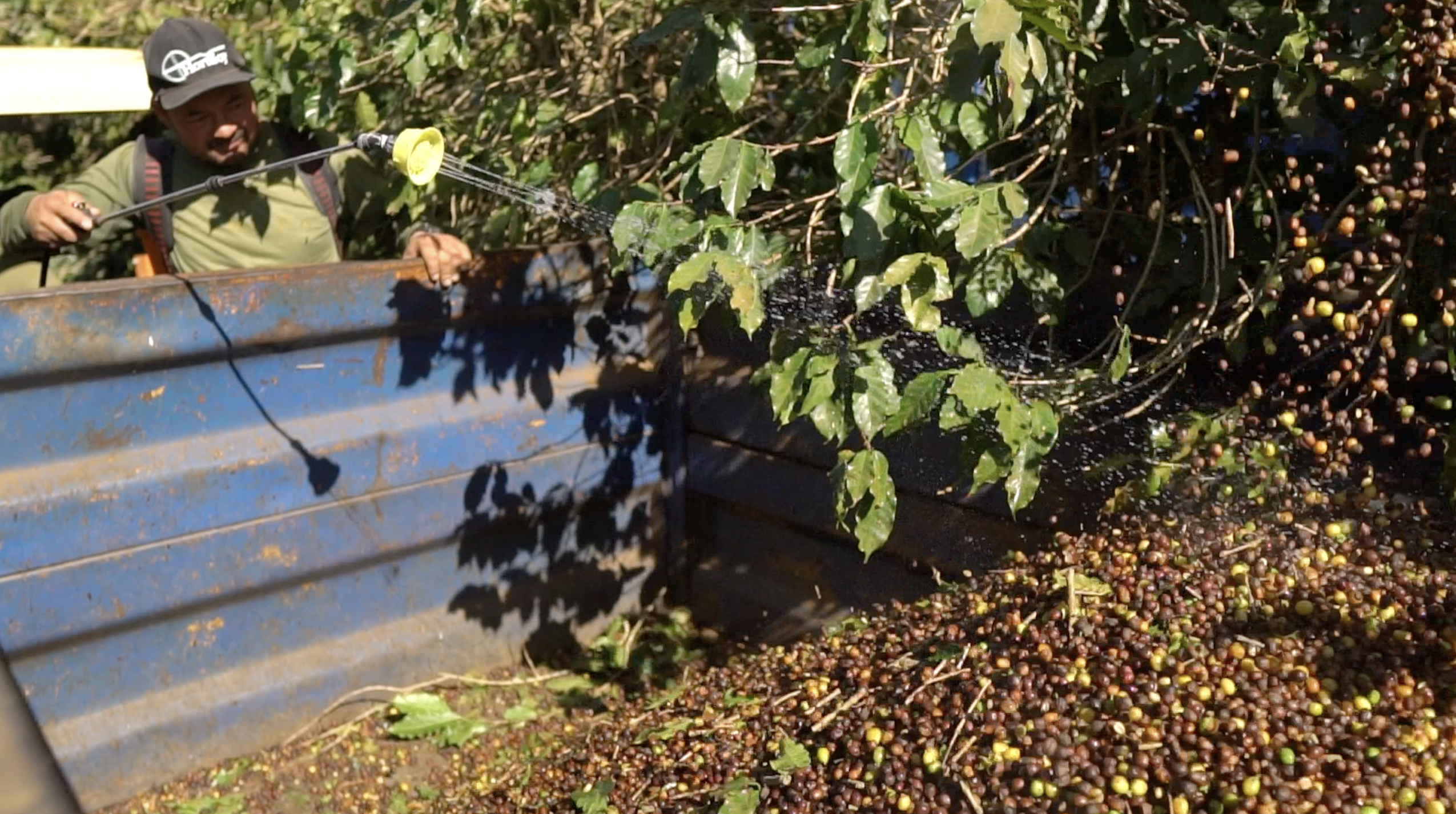
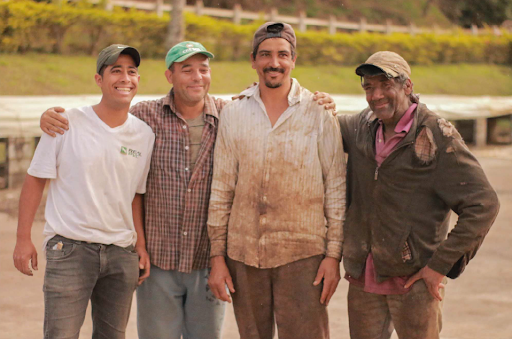
The region is home to various small coffee producers who dedicate themselves entirely to the constant improvement of their crops. Moreover, due to the steep slopes, the harvest is done 100% manually through the famous selective picking, where the farmer only harvests the perfectly ripe cherries. This care during the harvest preserves the quality and integrity of the bean, guaranteeing a top-tier coffee.
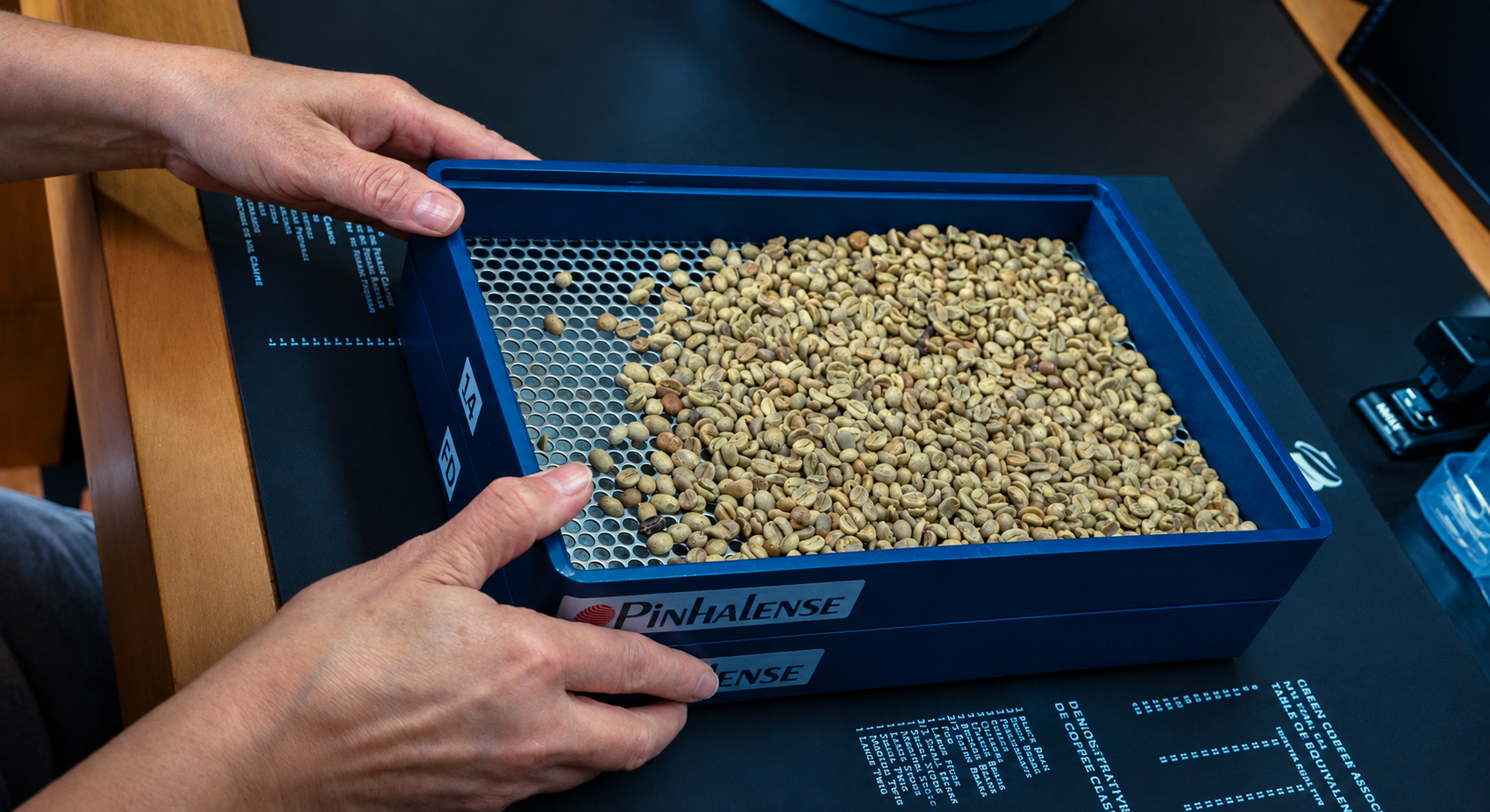
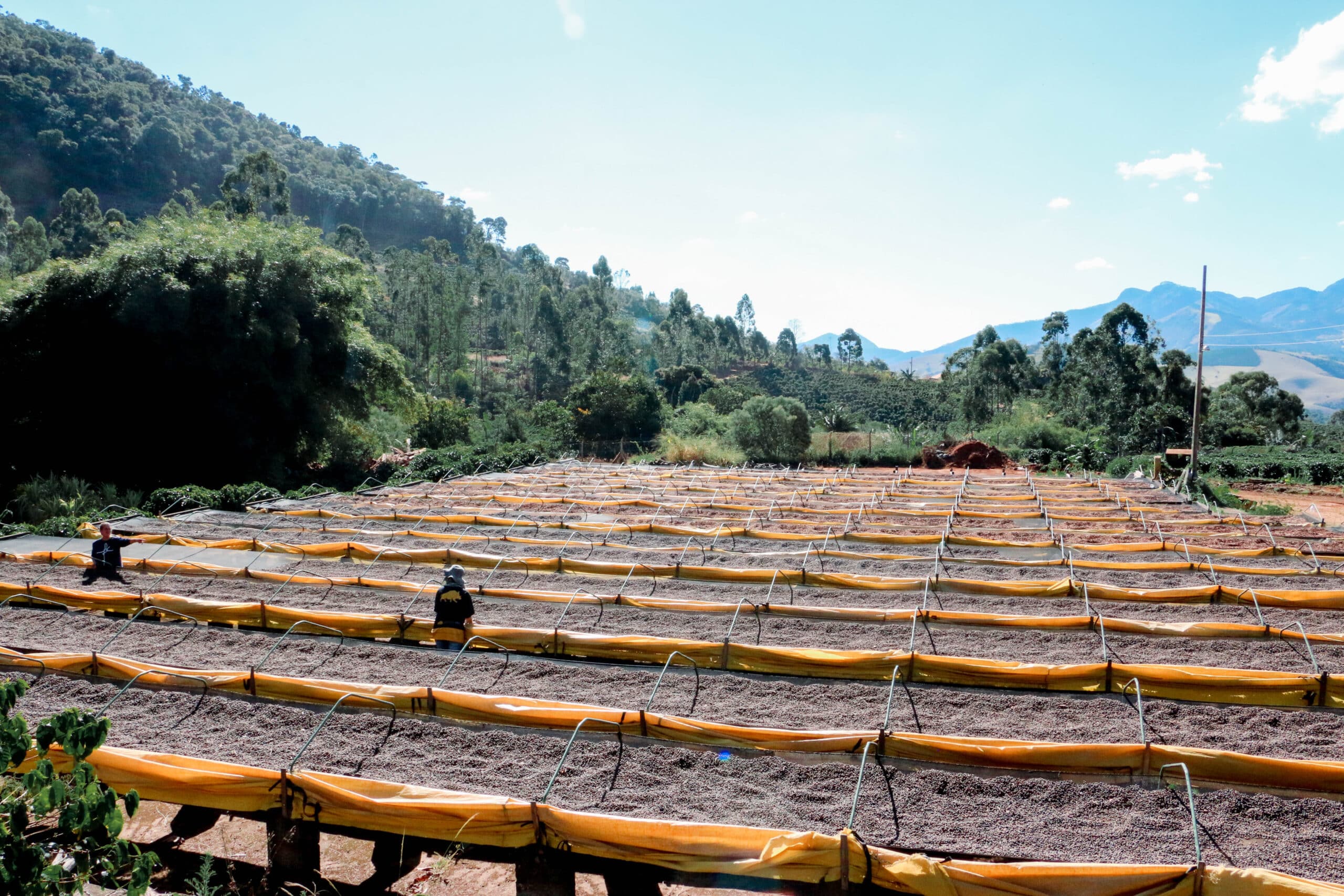
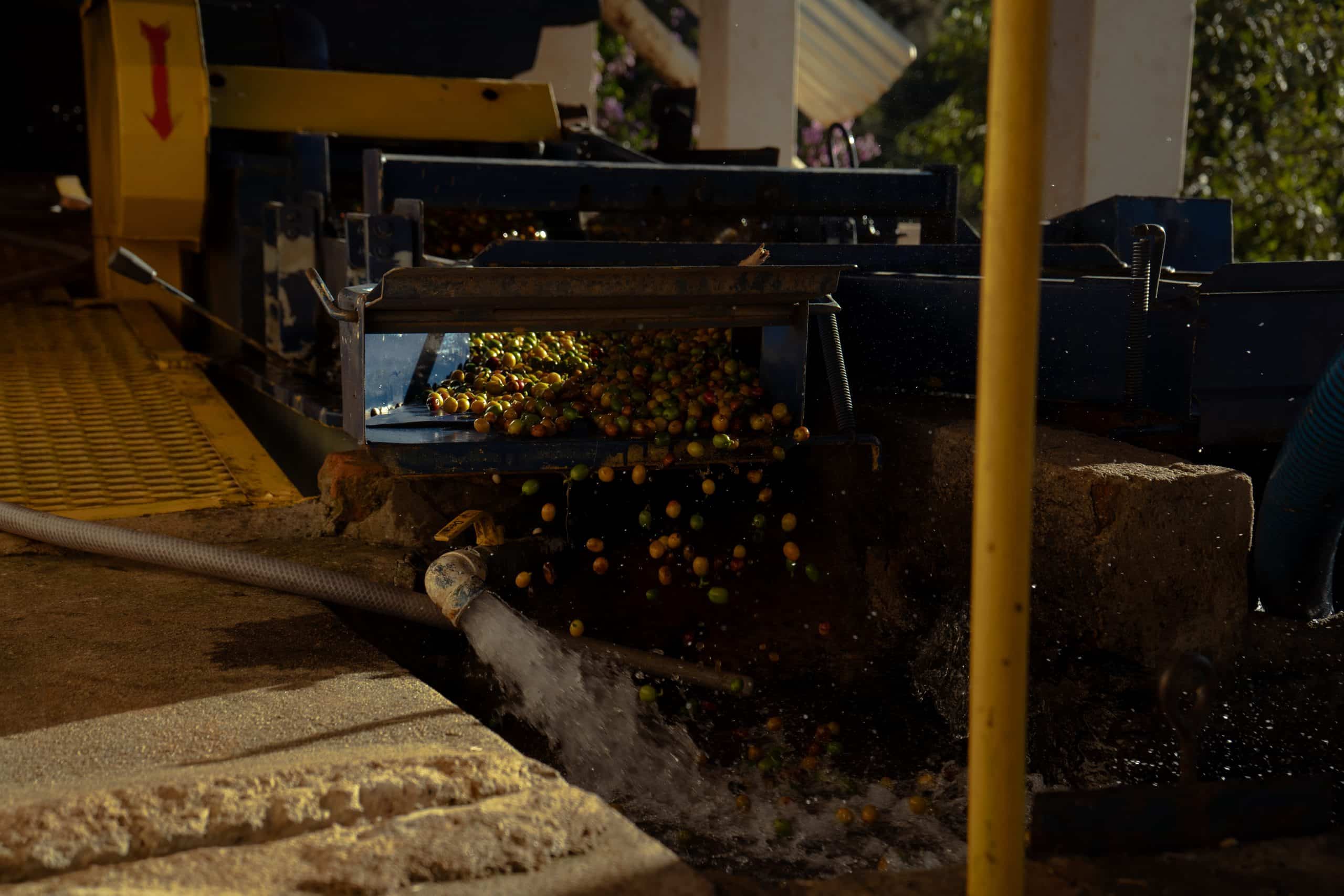
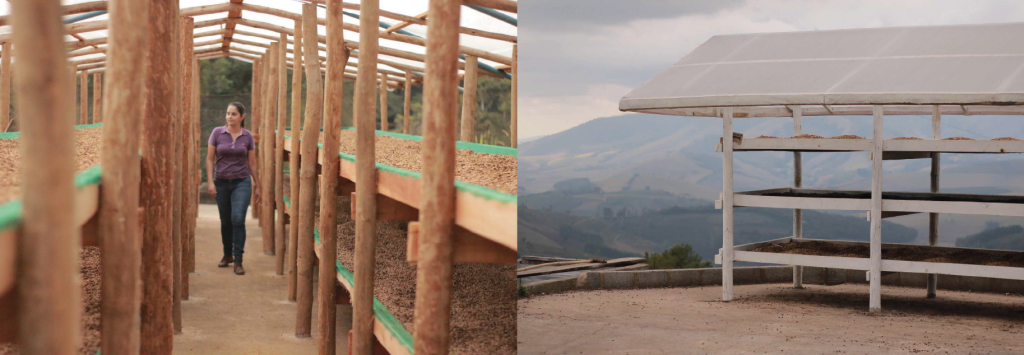
In the past, the post-harvest stage represented a major challenge for producers due to the difficulty of drying coffee in a humid climate. However, this bottleneck has been completely overcome. Today, coffee growers have full mastery over the climatic adversities of the mountains, thanks to the advancement of technologies and management methods. Practical examples of this evolution are the implementation of raised drying beds and the use of modern machinery for drying the beans.
Caparaó coffees present a remarkable sensory complexity. In the cup, it is possible to perceive striking notes of honey, caramel, and chocolate, perfectly balanced by citrus nuances. Generally speaking, the region’s profile is characterized by a very complex fragrance and aroma, a smooth flavor, intense sweetness, and well-balanced acidity. The experience is completed by a prolonged finish and a delicate acidity that recalls the brightness of an orange.
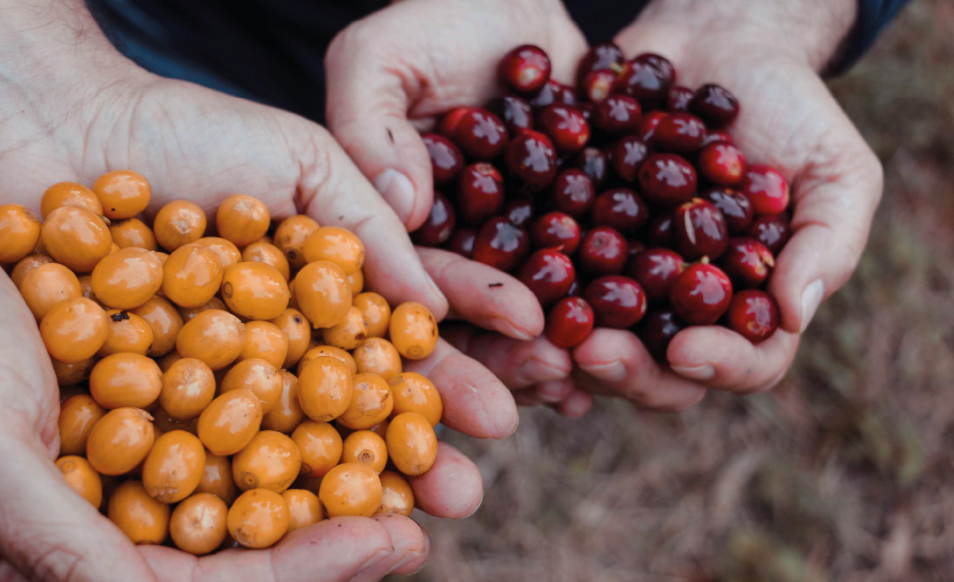
There are many factors that make the coffee from this region so special: the robust and intense nature, the winding reliefs, and the humid climate. These characteristics draw a fine line between the beautiful and the wild. It is a place that, although holding great beauty, requires expertise and persistence from those who wish to enjoy all the wealth this terroir has to offer. In the end, all this natural richness and human dedication result in an exceptional, vibrant coffee with a unique personality.
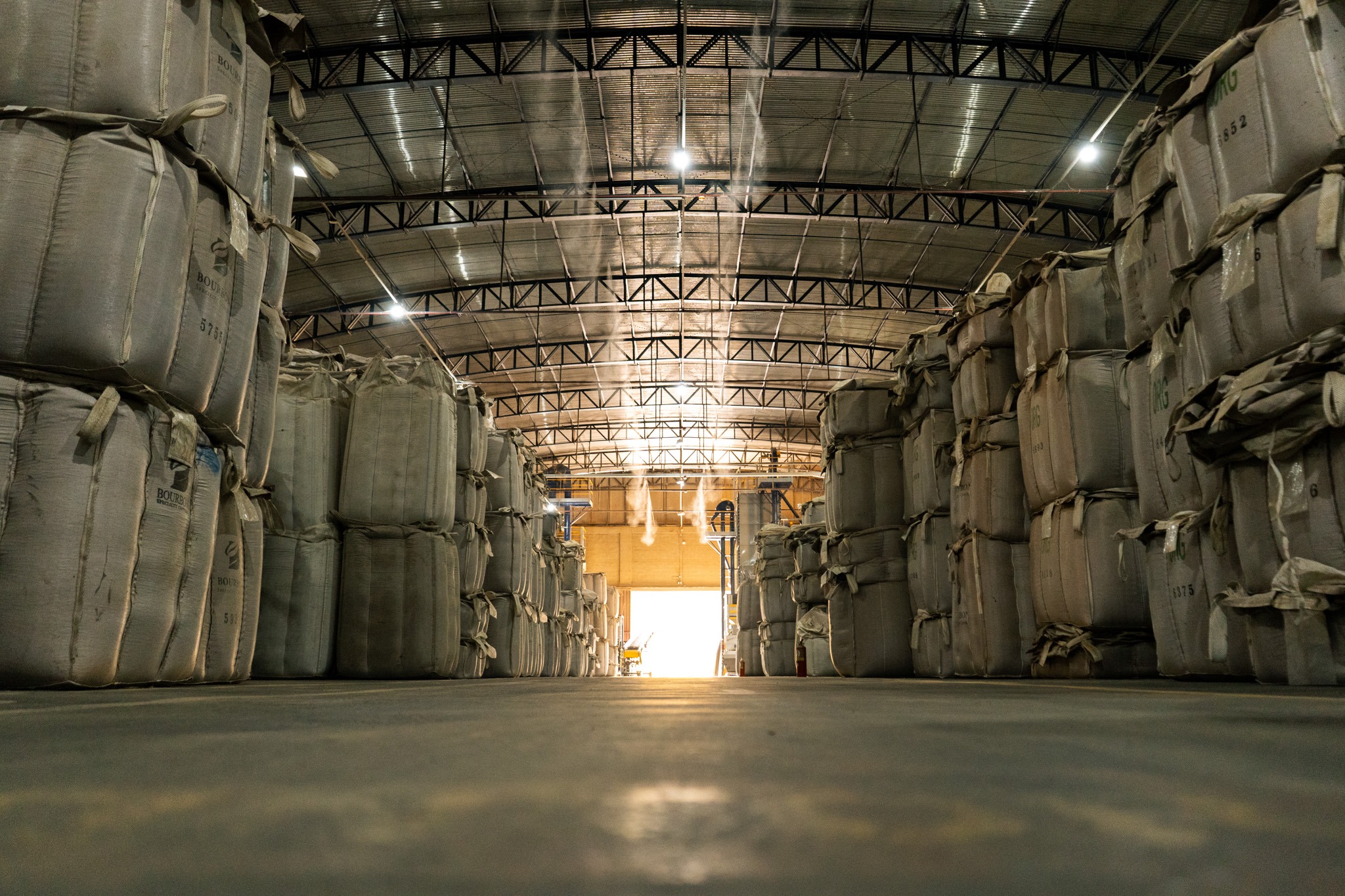
It is because of this belief in the strength of this terroir that Bourbon has cultivated solid partnerships with Caparaó coffee growers for over 20 years. This continuous work at the origin allows Caparaó coffee to keep winning over diverse buyers and roasters around the world.