Brazil is the world’s leading coffee exporter. To sustain this leadership and expand our global presence, offering an excellent bean is no longer enough. Today, it is necessary to prove the product’s origin, detail management practices, and attest to absolute compliance with physical, environmental, and social standards. But how can we guarantee and prove all this securely? The answer lies in traceability. But after all;
Traceability is essentially the detailed verification of a product’s management and trajectory, attesting to its rigor, quality, and origin. Coffees that carry this guarantee gain a significant competitive advantage and added value in the market. This transparency is crucial for coffee suppliers aiming to attract highly qualified roasters and importers. Furthermore, systems backed by precise data ensure predictability in supply and guarantee that the bags arrive intact, free from any contamination, thereby ensuring the coffee’s quality. This point is supported by the guidelines of ABIC (Brazilian Coffee Industry Association), which advocates for end-to-end traceability as an essential mechanism to combat fraud, certify bean purity, and ensure the food safety demanded by the entire industry.
Traceability is a fundamental factor for export, especially to the European continent, which has environmental protection regulations such as the EUDR (European Union Deforestation-Free Regulation). This regulation requires full bean traceability to attest to the product’s sustainable origin, making it mandatory to prove this through the exact geolocation of each production plot, ensuring total transparency from the farm to the cup.
Traceability takes shape and gains market recognition through seals and certifications. To facilitate monitoring and certify that best practices are being followed at the origin, various institutions conduct rigorous audits and award certifications to producers, exporters, and roasters. These seals act as a “passport” for quality, transparency, and socio-environmental responsibility.
Below, we detail the main programs and certifications that attest to traceability in coffee farming:
Rainforest Alliance: One of the most respected sustainability seals in the world. It unified its guidelines with the former UTZ certification to create a rigorous global standard. This seal certifies that the coffee was grown using methods that protect the environment and improve the livelihoods of producers. The central focus is to ensure traceability through regenerative agriculture, biodiversity conservation, good working conditions, and responsible agricultural practices.
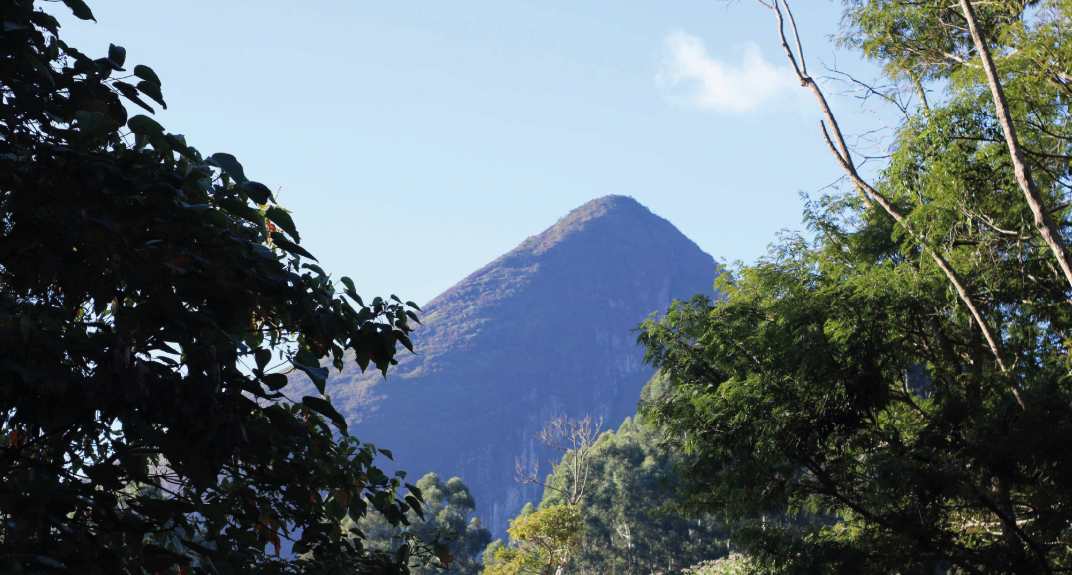
Geographical Indications (GIs) and Indication of Provenance (IP): GIs certify the origin and quality of coffees produced in specific regions, valuing local traditions and unique sensory characteristics (such as Cerrado Mineiro, Volcanic Region, or Mantiqueira de Minas). Within the GIs, the Indication of Provenance (IP) stands out, which serves as geographical traceability: the official proof of where the coffee was produced and what the local management was. They protect the region’s name and add immense value to the product.
SMS (Sustainable Management Services): This is a strategic arm of the ECOM Group. The program involves implementing traceability and sustainability directly on the farms, offering training, products, and services to strengthen rural coffee-producing populations in over 26 countries.
Nespresso AAA Sustainable Quality™ Program: Created in 2003 in partnership with the Rainforest Alliance, this initiative goes beyond buying coffee. The program traces the entire chain to ensure a continuous supply of the highest quality while providing tangible environmental, social, and economic benefits to farmers and their communities.
Fair Trade: Ensures ethical conditions, stable minimum prices, and an additional premium for small producers, protecting them from market volatility and promoting sustainability.

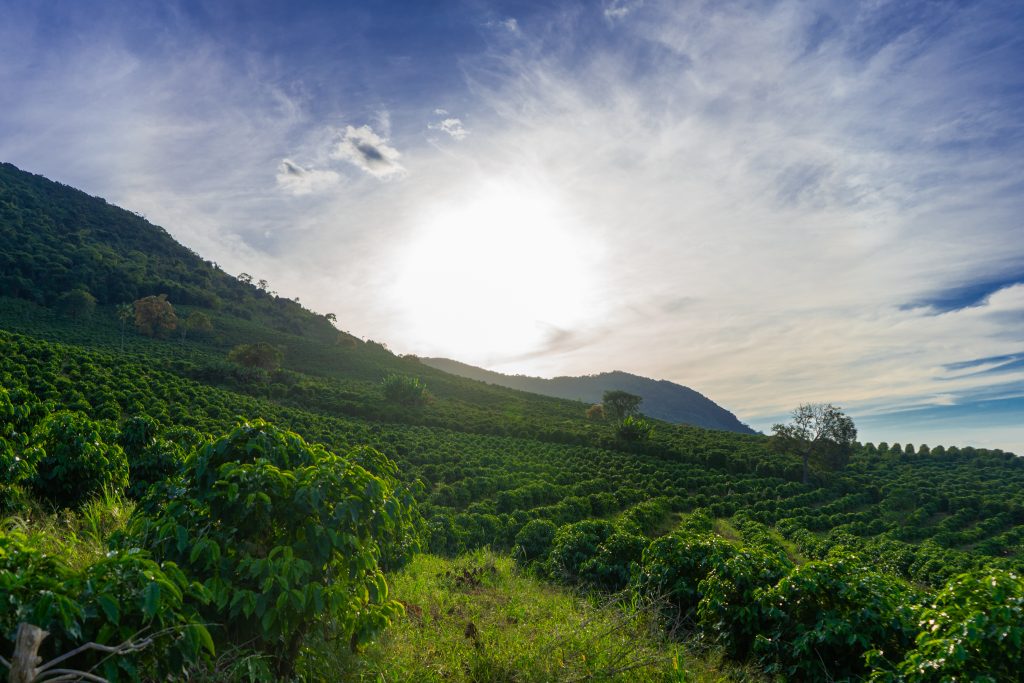
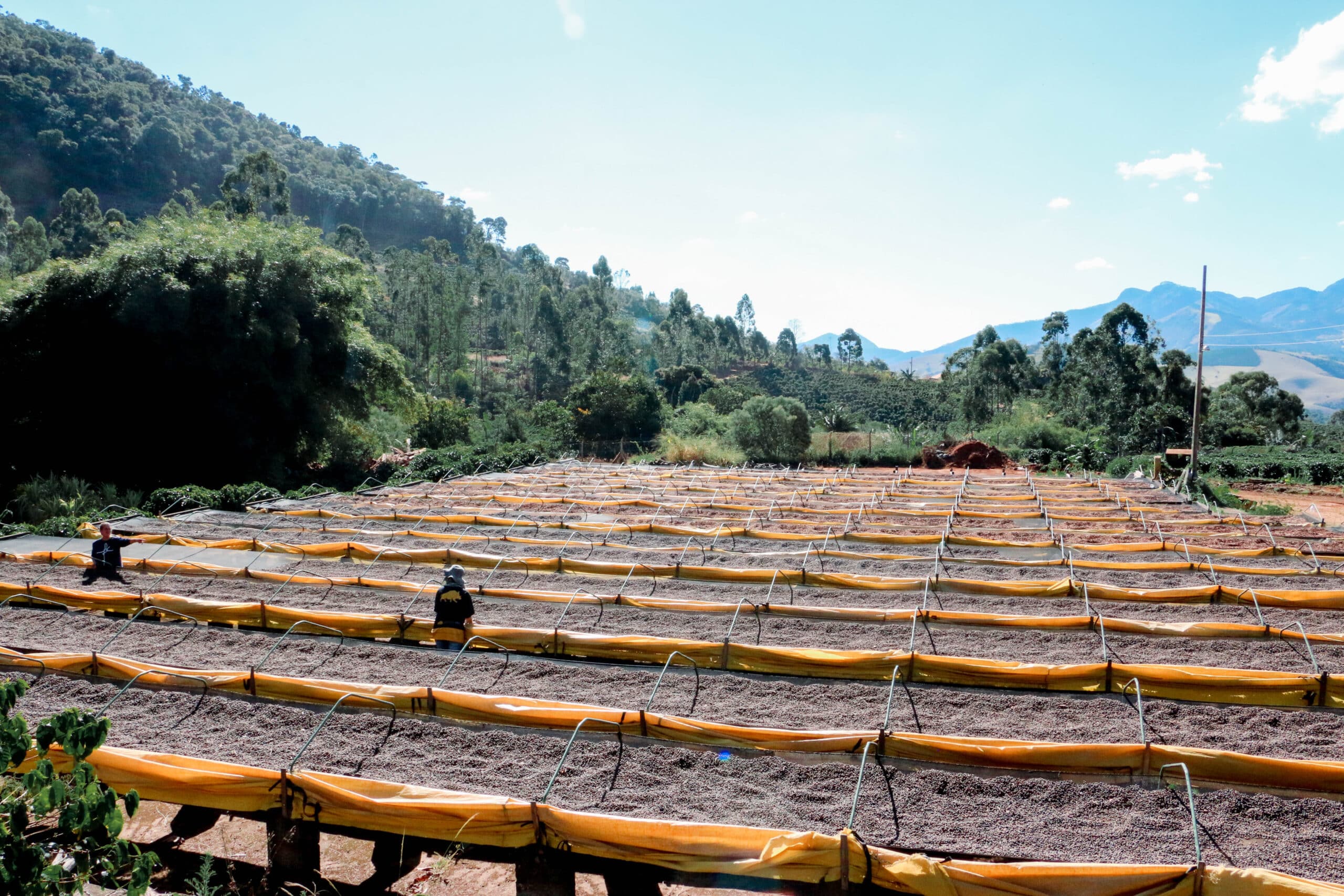
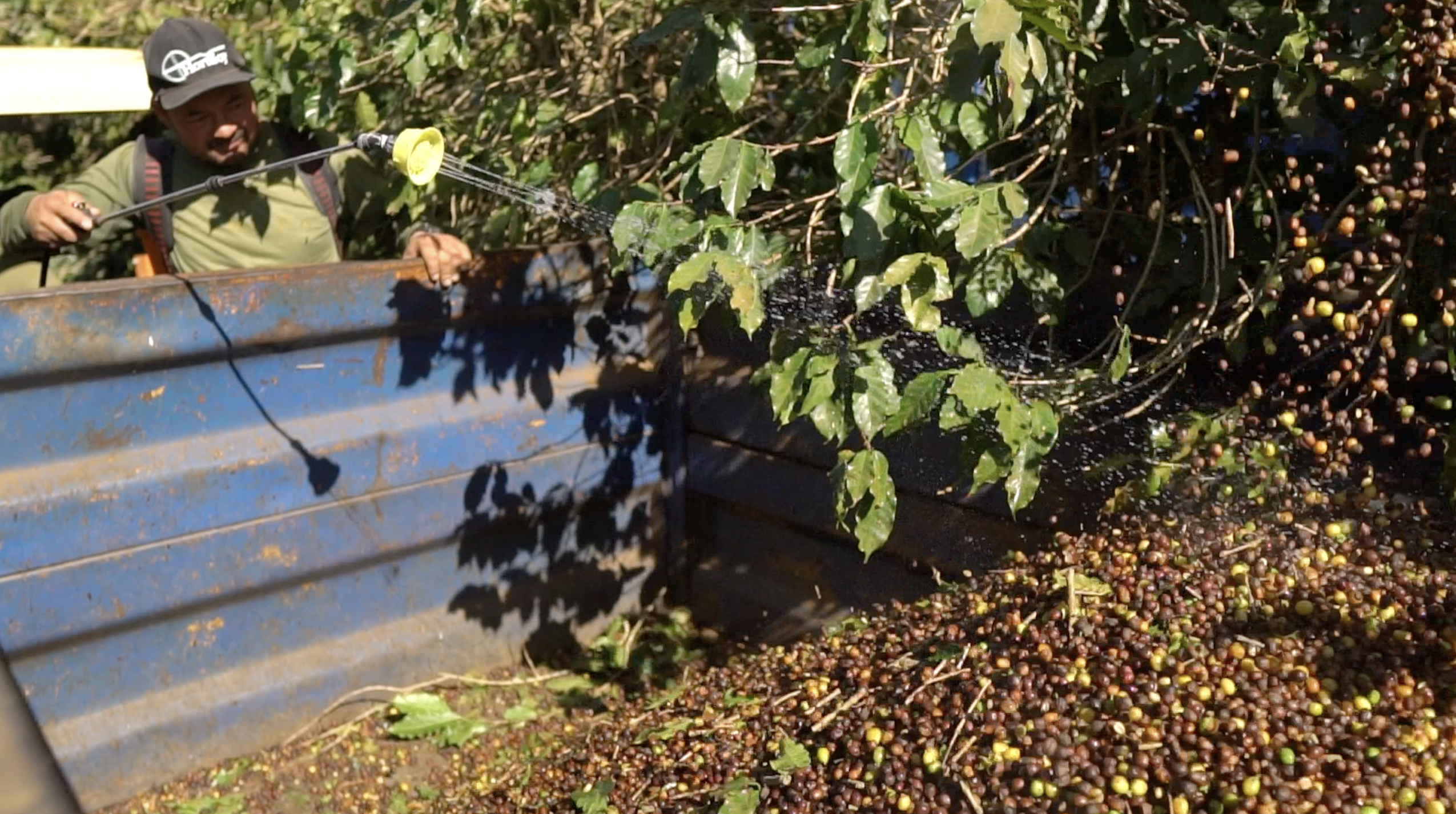
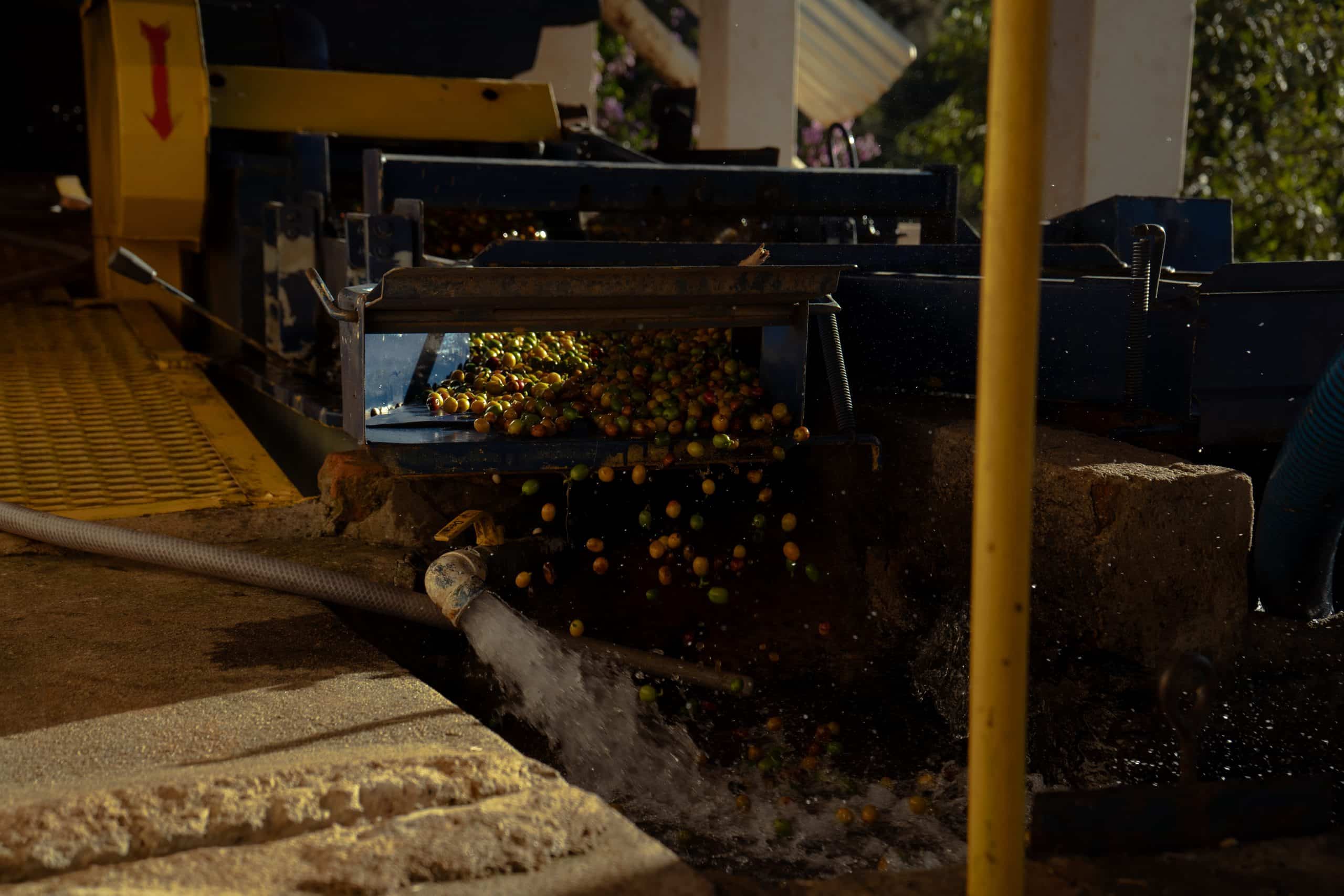
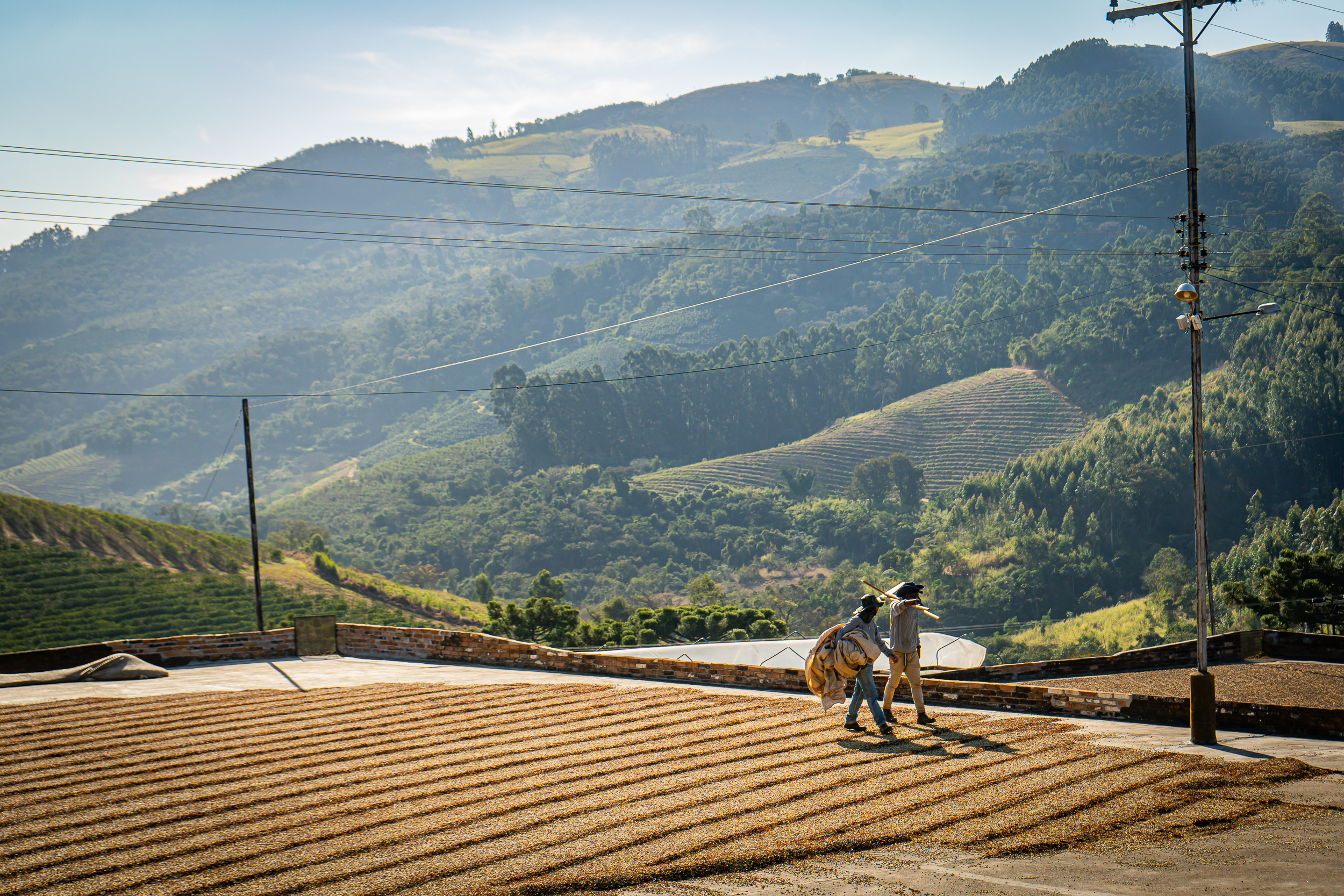
The tracking process begins on the farm with the producers. As the management takes place, the producer records information such as: coffee variety and plots, agricultural and cultivation methods, type of harvest, drying process, etc. The producer documents all this data within a traceability system.
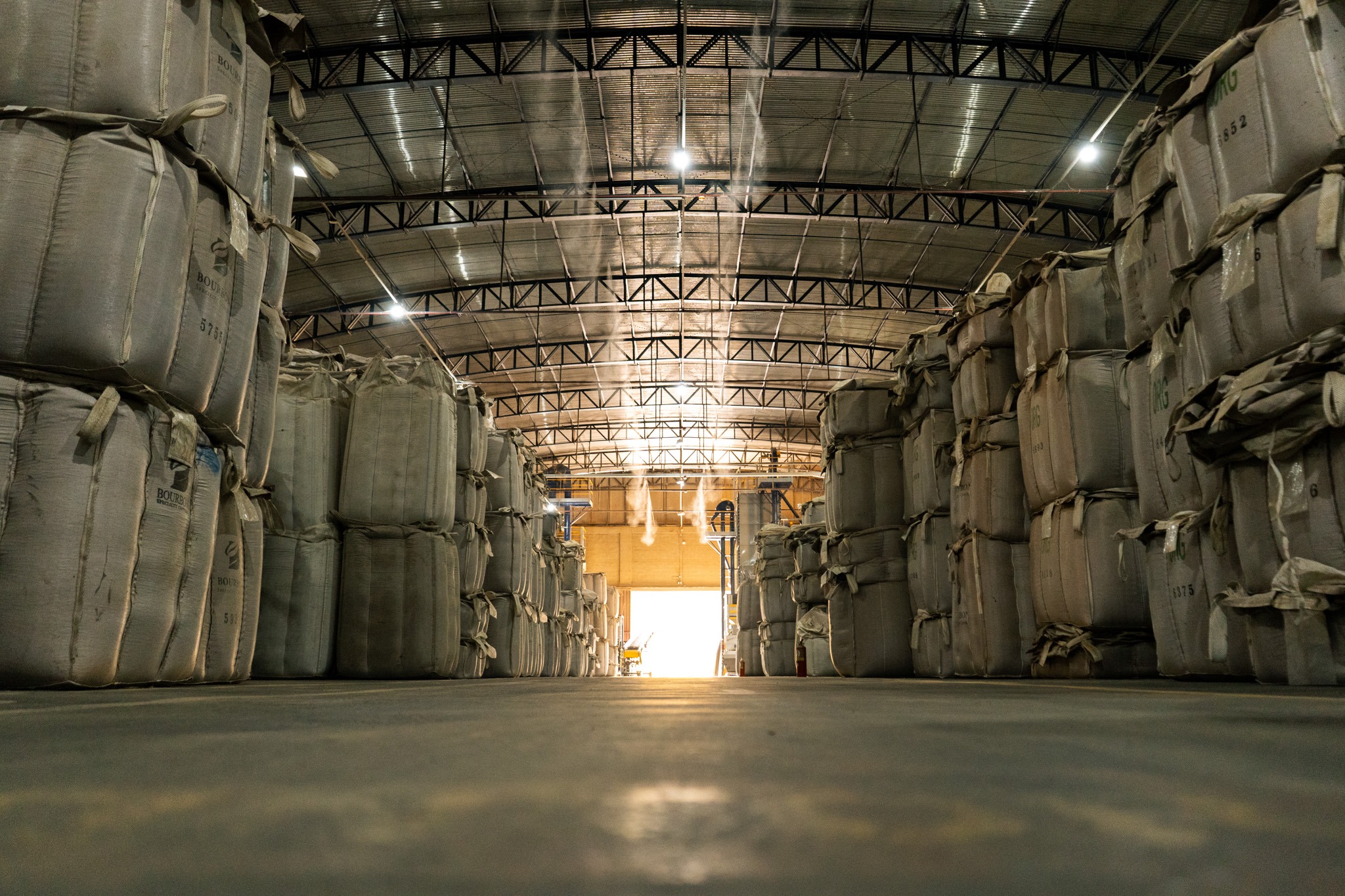
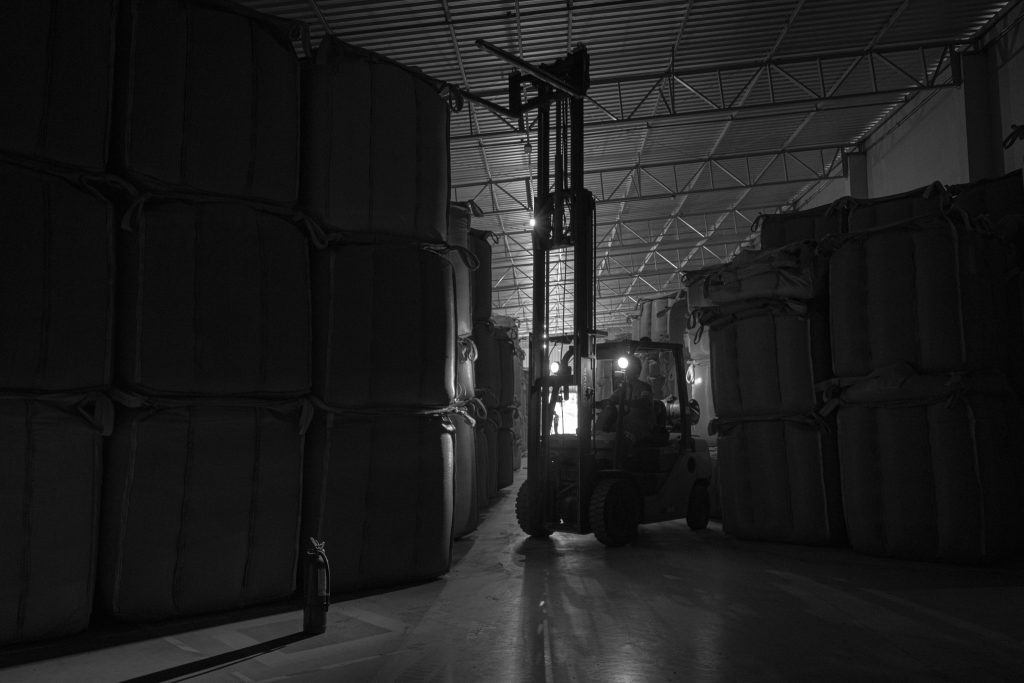
Bourbon has a traceability system in place. A software called Coffee System, which is currently in the process of migrating to the future “Core System”, is used to register and control all coffee logistics operations, from the purchase of the coffee to its exit/sale. In this way, acting with actions that guarantee predictability in supply.
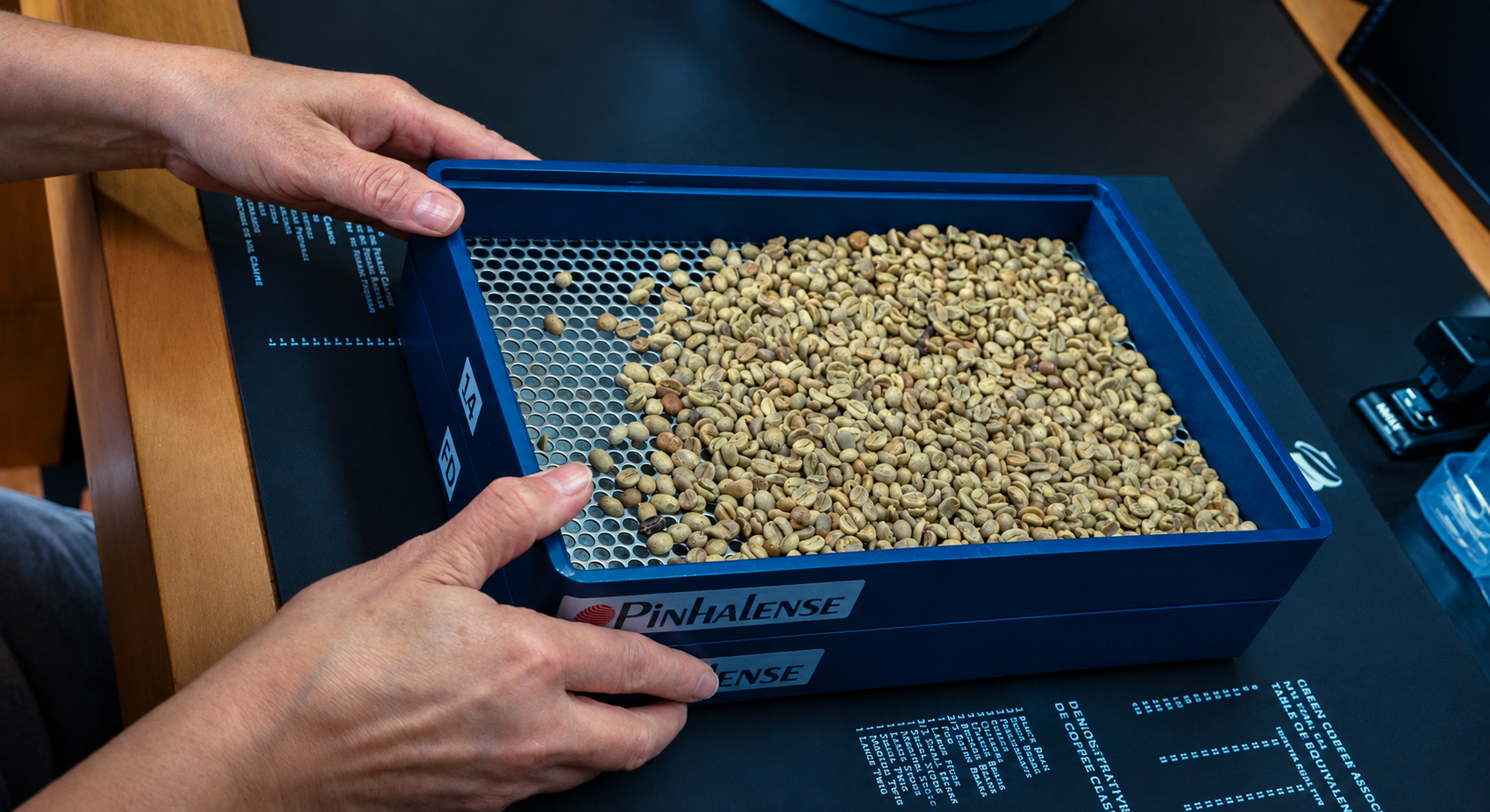
Each batch of coffee acquired by Bourbon is accompanied by its respective invoices; this is the document where traceability begins. The invoices identify the product (e.g., raw coffee beans, Type 6 bica corrida, quantity, price, certifications) as well as the Trade Confirmation number. After verifying the documentation, the procedure for entering the batch into our own inventory begins.
Each certification is identified with an acronym in the Coffee System. Certified coffee batches are identified with the acronym equivalent to the certificate. Through the batch number, it is possible to trace the entire history of a batch, from its entry into the inventory, through all re-processing and movements, until its exit.
Traceability is no longer just a logistical differential; it has become the central pillar sustaining the credibility of Brazilian coffee abroad. Its benefits positively impact every link in the production chain:
For the Environment and Society: Traceability is the tool that makes it possible to prove the adoption of regenerative agriculture and ensure that the coffee comes from zero-deforestation areas. More than protecting the environment, it documents and ensures respect for human rights and good working conditions, fostering an ethical and healthy market.
For the Consumer and the Buyer: Traceable systems ensure that the end client (whether a large roaster or the consumer at the coffee shop) has complete awareness of the bean’s journey. This transparency builds a relationship of trust, guaranteeing that the delivered product exactly matches the expectations of quality, ethics, and added value demanded by the market.
For the Producer: Traceability protects the producer from end to end. As all processes from the crop to export are documented and updated, the chances of cross-contamination, improper batch swaps, or logistical losses are drastically reduced. Furthermore, the generated data acts as a powerful strategic plan: by analyzing the reports of each harvest, the coffee farmer can understand the farm’s overall panorama, correct flaws, and invest in continuous improvements for the coming years.
For the Market: With increasingly strict international legislation, such as the European Union Deforestation-Free Regulation (EUDR), total traceability linked to geolocation has become a legal obligation. Therefore, the greatest commercial benefit of traceability today is ensuring that the doors to the most demanding markets (and those that pay the best premiums) remain open to Brazilian green coffee.
More than a major competitive advantage, traceability is the foundation for careful and healthy agriculture. It is through this monitoring that we propel the entire production chain toward a fairer, more ethical, and sustainable future. Above all, traceability builds a link of trust and transparency across the entire production chain, from the producer to the consumer, delivering the very best of coffee to the world with excellence.