The sensory expression of coffee in the cup is the result of several variables, but the strategic decisions made during the harvest are largely responsible for preserving the bean’s intrinsic potential. Given the unquestionable importance of this stage for the final quality of the beverage, we will detail each step of the processing method below, explaining how it works and why it is so crucial for the coffee.
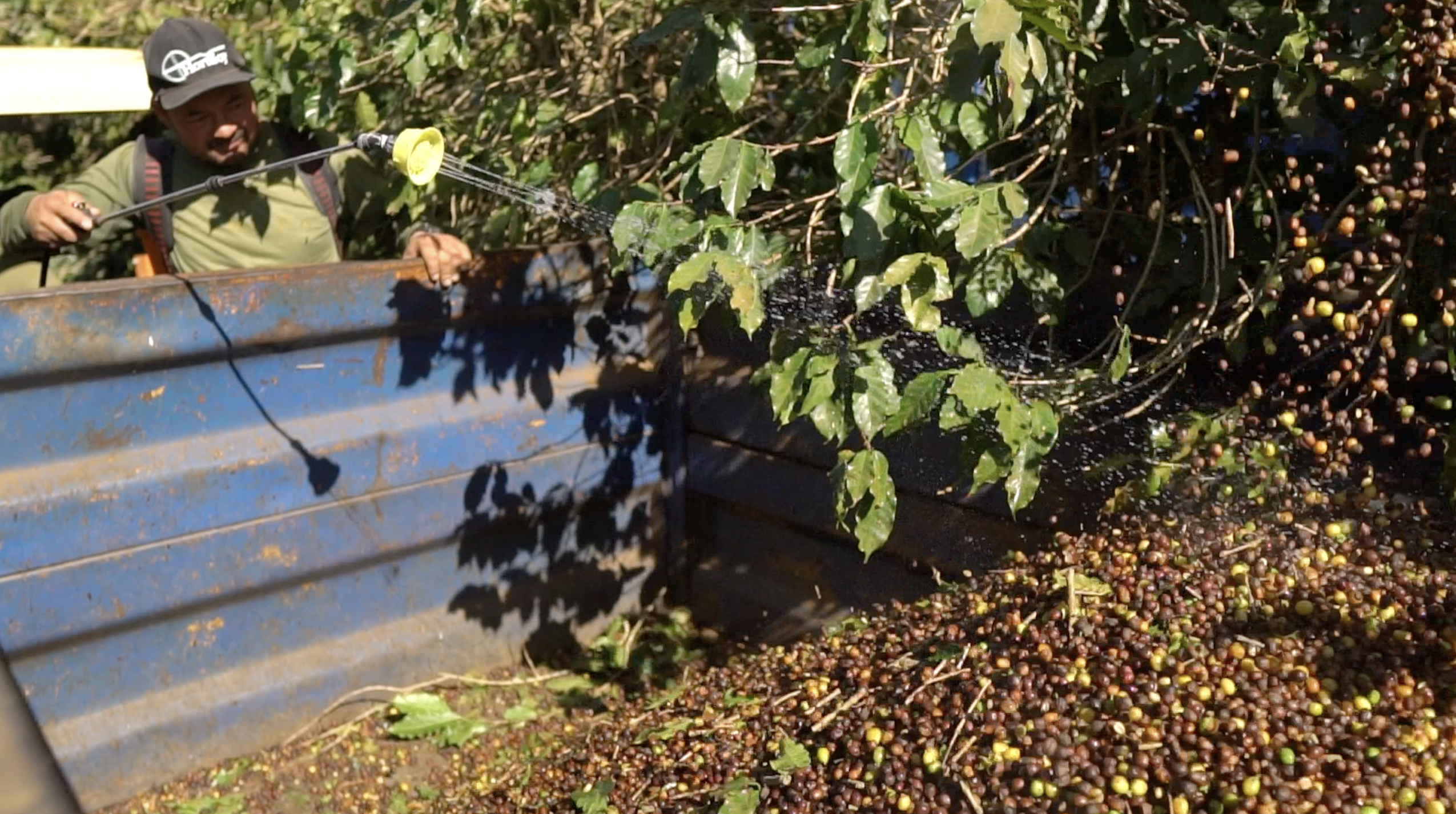
The first stage of harvest management is the picking (derriça). In this stage, it is necessary to pay close attention to the maturation state of the cherries. For the coffee to reach the fullness of its aroma and flavor precursors, the harvest must prioritize the cherry stage, tolerating a maximum limit of 20% of green beans to avoid astringency in the beverage. Simultaneously, it is necessary to monitor the incidence of the beans.
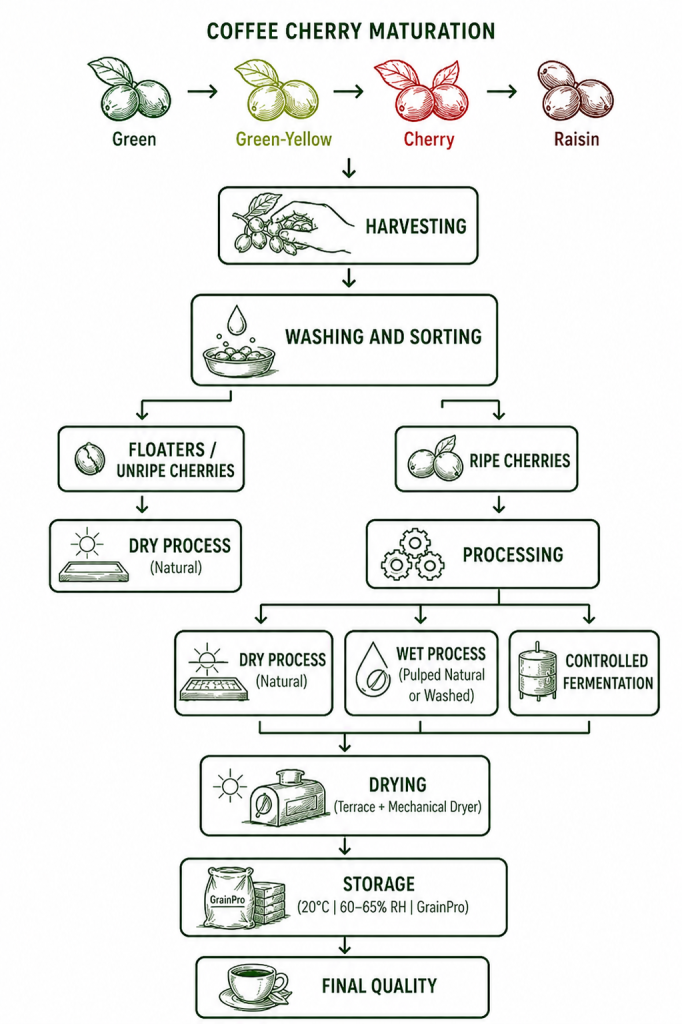
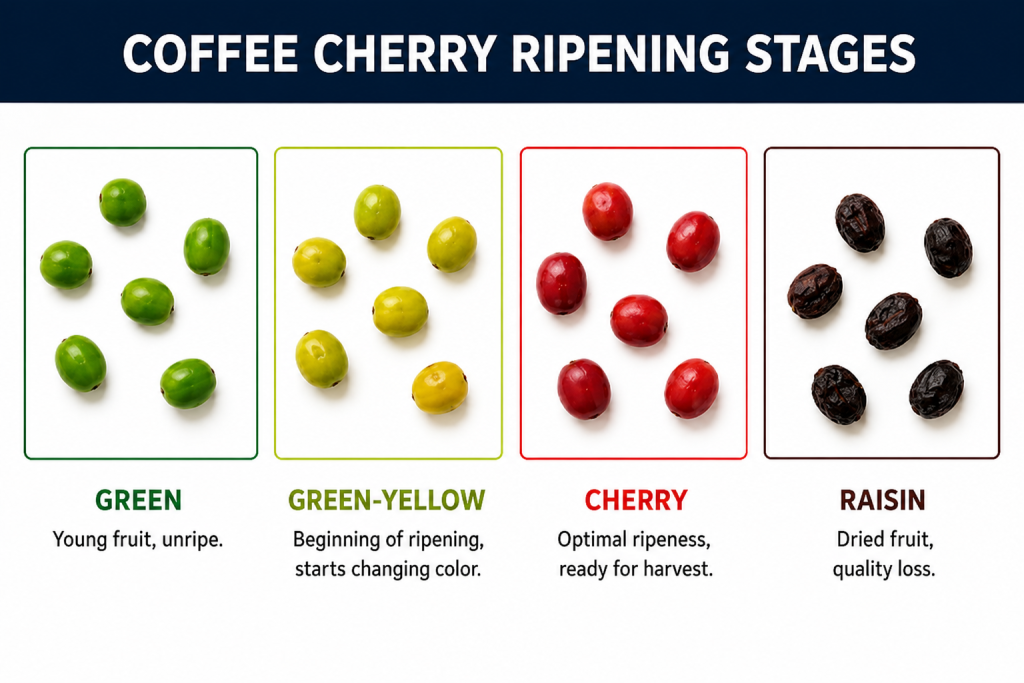
To understand the impacts of harvesting at the right time, we need to analyze the development of the fruit. The maturation phases of the bean are:
Green / Pale Green: This is the initial stage of maturation, meaning the beans are still unripe and their cell membranes are not fully developed. Curiously, it is during this phase that the coffee has its highest caffeine content. However, they produce a beverage with an astringent taste, commonly classified in cupping sessions as “Green.” A high presence of green beans contributes to a greater number of defects (such as black beans), which can even disqualify the lot for commercialization.
Cherry: Represents the optimal point of the fruit’s physiological maturity. In this state, the beans have well-formed membranes and present the lowest amount of natural defects. Cherry fruits are the most recommended for obtaining high-quality coffees, as they generally yield sweet beverage profiles, frequently classified as specialty coffees.
Raisin / Dry: These are fruits that have passed their ideal maturation point and have already started to lose water (dry out) while still on the tree. They contain little mucilage but are highly prone to fermentation processes (the mucilage can ferment inside the bean itself). The microorganisms involved in these fermentations can be detrimental to quality, generating defects such as sour beans. In the cup, this can lead to an unpleasant fermented taste, resulting in inferior beverages and even cup defects. We can also obtain good coffees in the raisin stage, but waiting for it can be risky depending on the farm and region.
Bean processing is a set of operations that occurs right after the harvest, aiming to prepare the coffee for commercialization. It is through this process that the coffee is cleaned. The main function of processing is to preserve the intrinsic quality of the bean and enhance the final beverage, extracting complex aromas and sensory notes that only reveal themselves thanks to the chemistry of this stage. The main paths to conduct this process are the dry method, wet method, and fermentation.
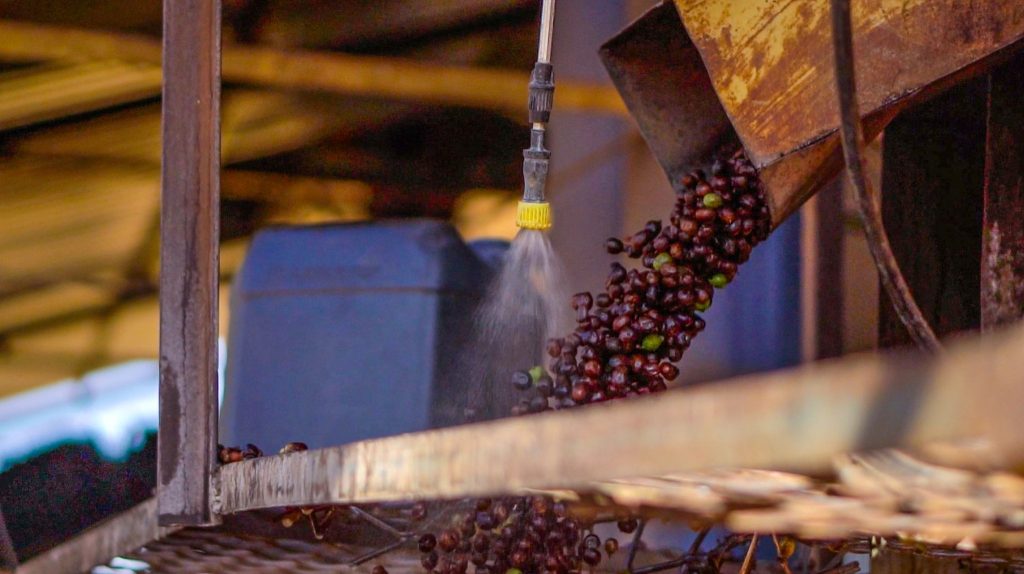
The first step of processing is washing; it is in this stage that the beans’ path is defined. The beans pass through a hydraulic machine that removes impurities from the fruits such as stones, twigs, and dirt residues.
After washing, the coffees are sorted according to their quality. The defective and lower-potential beans (floaters) are separated and taken to the drying patio, where they will undergo the dry process and dry completely (with skin and pulp intact).
Meanwhile, the cherry and green beans move on to the second stage, where the best processing method is chosen based on what will best enhance the bean and what makes the most sense for that specific producer’s coffee. During this stage, the coffee can undergo the wet process (where the green beans are separated), the dry process, or fermentation.
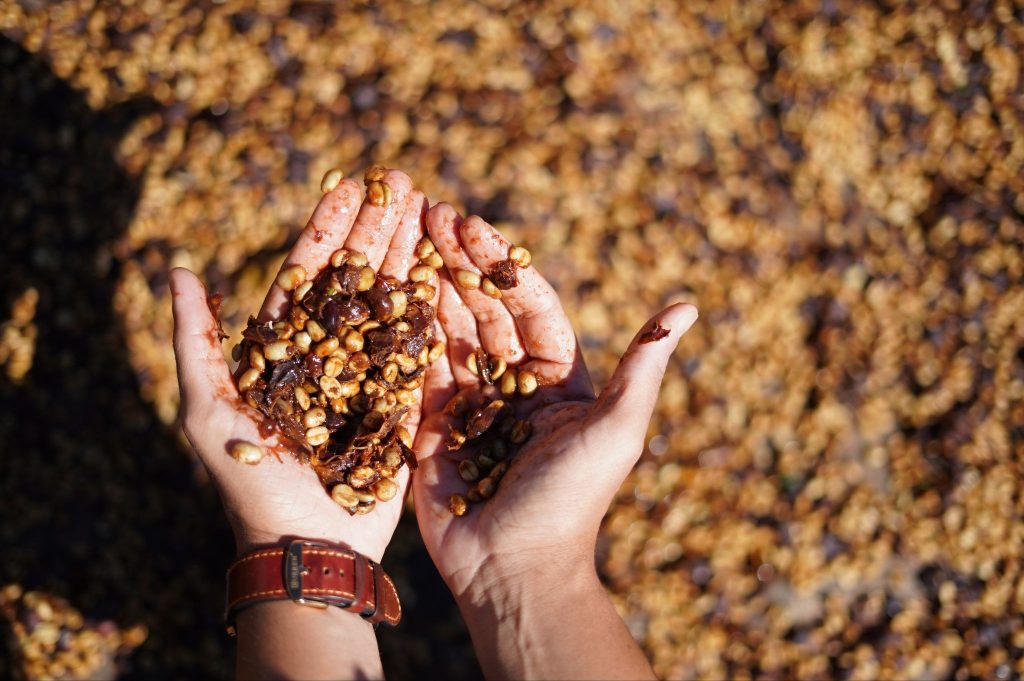
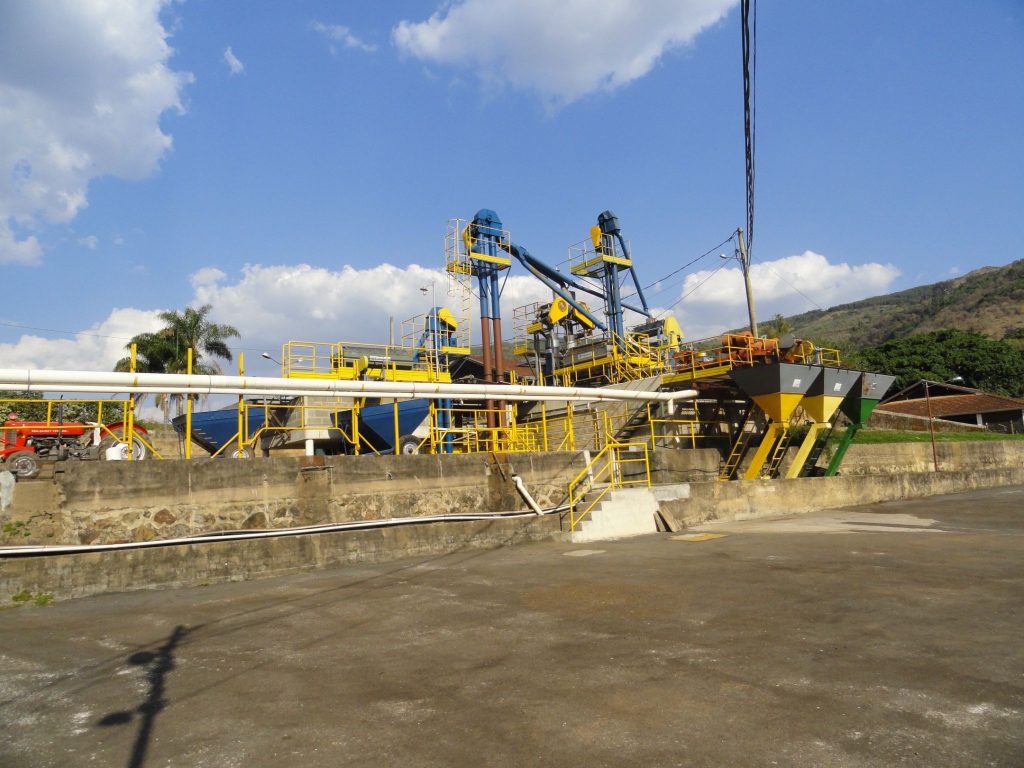
This process can generate two types of cherry coffees: pulped natural and fully washed, noting that the washed cherry has two different processes:
Pulped Natural (Cereja Descascado): The coffee is sent to a machine called a “pulper”. The machine removes the skin (exocarp) of the coffee with the help of water. Secondly, the fruit is pressed against a screen that mechanically removes the skin from the mucilage. After this process, the bean is left only with the parchment. It is during this process that a second selection of the beans occurs, where the remaining green coffees are separated from the cherry. Since these beans are hard and cannot be pulped, the machine retains them on the screen and separates them from the ripe coffee. These coffees are directed to dry whole in the dry method.
There is also the demucilaged coffee, known as washed coffee, and it can be done in two ways:
Meanwhile, the coffees in the cherry stage go to the second process, where the best processing method will be chosen according to what will enhance the bean the most, and what makes the most sense for that specific producer’s coffee. In this process, the coffee can be processed via the wet method, dry method, or fermented.
Mechanical Demucilage: In the wet method machinery itself, there is an assembly called a “demucilager”. After removing the skin from the bean, the mucilage is also removed, generating the demucilaged cherry coffee.
Washed Coffee (Café Lavado): This process also passes through the demucilager machine; however, its mucilage is not removed mechanically. The pulped coffee and the mucilage are taken to water tanks, and the mucilage is completely removed by water.
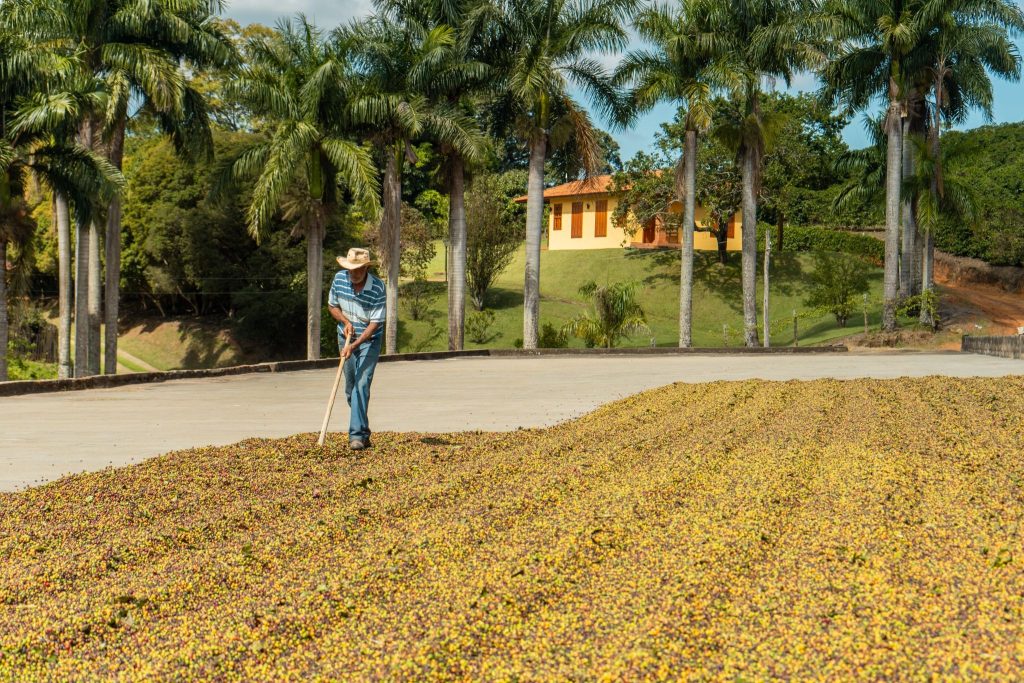
The dry method is the famous natural coffee, and it is the most used method in Brazil. In it, the whole bean goes to the patio and is dried under the sun, and all the sugar mucilage will dry on the bean, generating a full-bodied and sweet coffee.
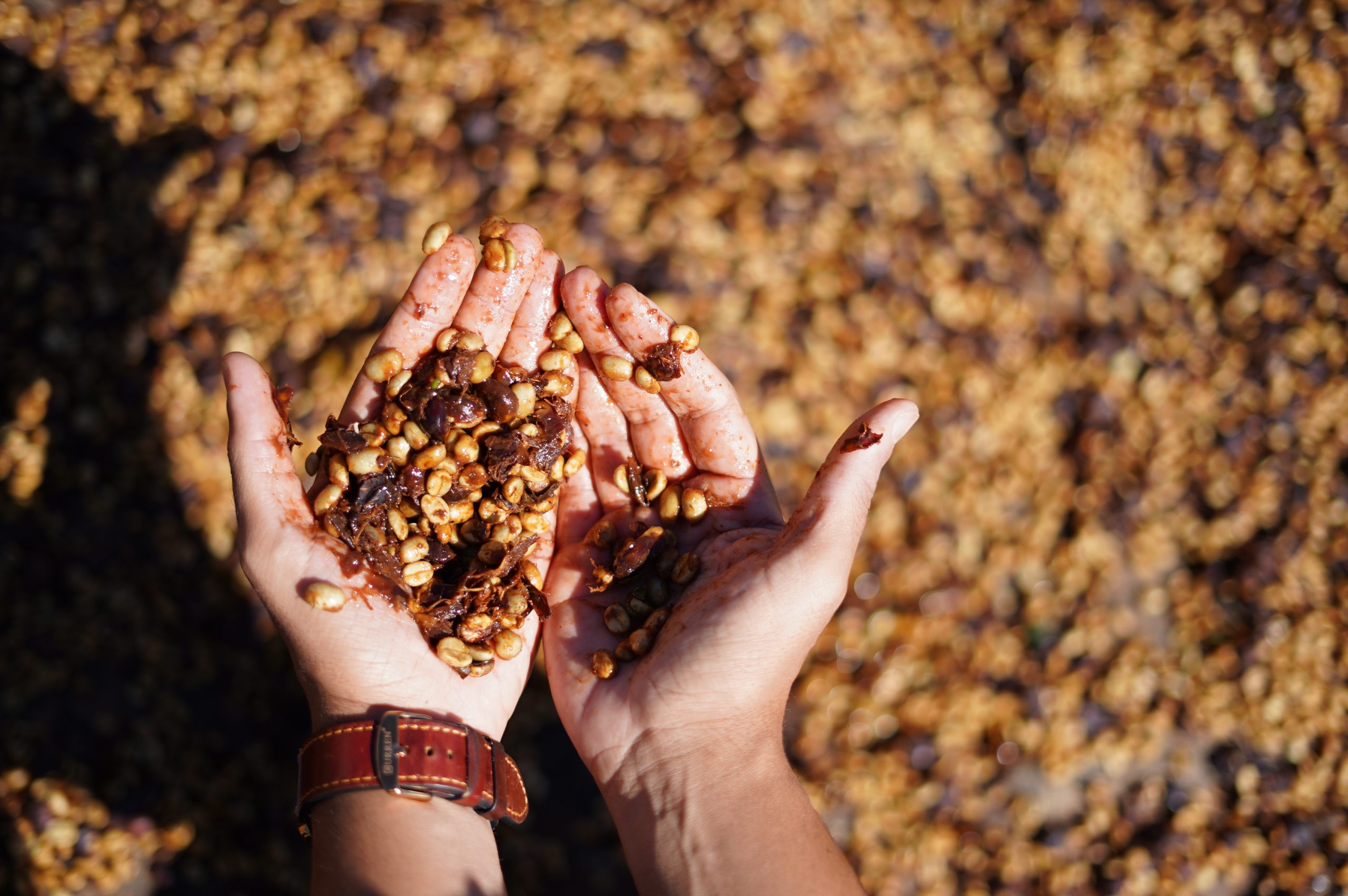
Controlled fermentation coffee consists of the natural degradation of the pulp and mucilage guided by microorganisms such as fungi, yeasts, and lactobacilli. Under favorable conditions, these microorganisms attack the mucilage and produce enzymes and organic acids. These substances break down several chains of carbohydrates, proteins, and polyphenols in the fruit, enabling the birth of new aromas and flavors.
This process can only be done with cherry beans. These beans are taken to the fermentation site and undergo rigorous cleaning and sanitization to avoid any external contamination. After that, the producer defines the amount and type of inoculum (yeasts and fungi) that will be inserted into the coffee mass. This choice changes the entire pulp degradation profile and the final flavors.
As soon as the equipment and the time indicate that the target sensory characteristics have been reached, the coffee lot must be washed immediately. This washing removes the fermentation residues, physically interrupts the activity of the microorganisms, and releases the coffee to be safely taken to the patio or dryer.
To simplify, here is a table summarizing the processing types:
| Processing Method | Method | Typical Sensory Profile |
| Dry Method (Natural) | The whole fruit (skin, pulp, and bean) dries on the patio under the sun. | Full-bodied, sweet, and with intense fruity notes. |
| Wet Method (Pulped Natural) | The skin is mechanically removed, but the mucilage dries together with the bean. | Greater sweetness, medium body, and balanced acidity. |
| Wet Method (Fully Washed) | Skin and mucilage are completely removed (mechanically or by fermentation in tanks). | Extremely clean beverage, bright acidity, and floral/citrus notes. |
| Induced / Controlled Fermentation | The fruits are placed in a controlled environment (with or without oxygen), where yeasts and bacteria degrade the pulp/mucilage. | Exotic beverage, with complex acidity (lactic or acetic), alcoholic notes (liqueur-like), intense florals, and spices. |
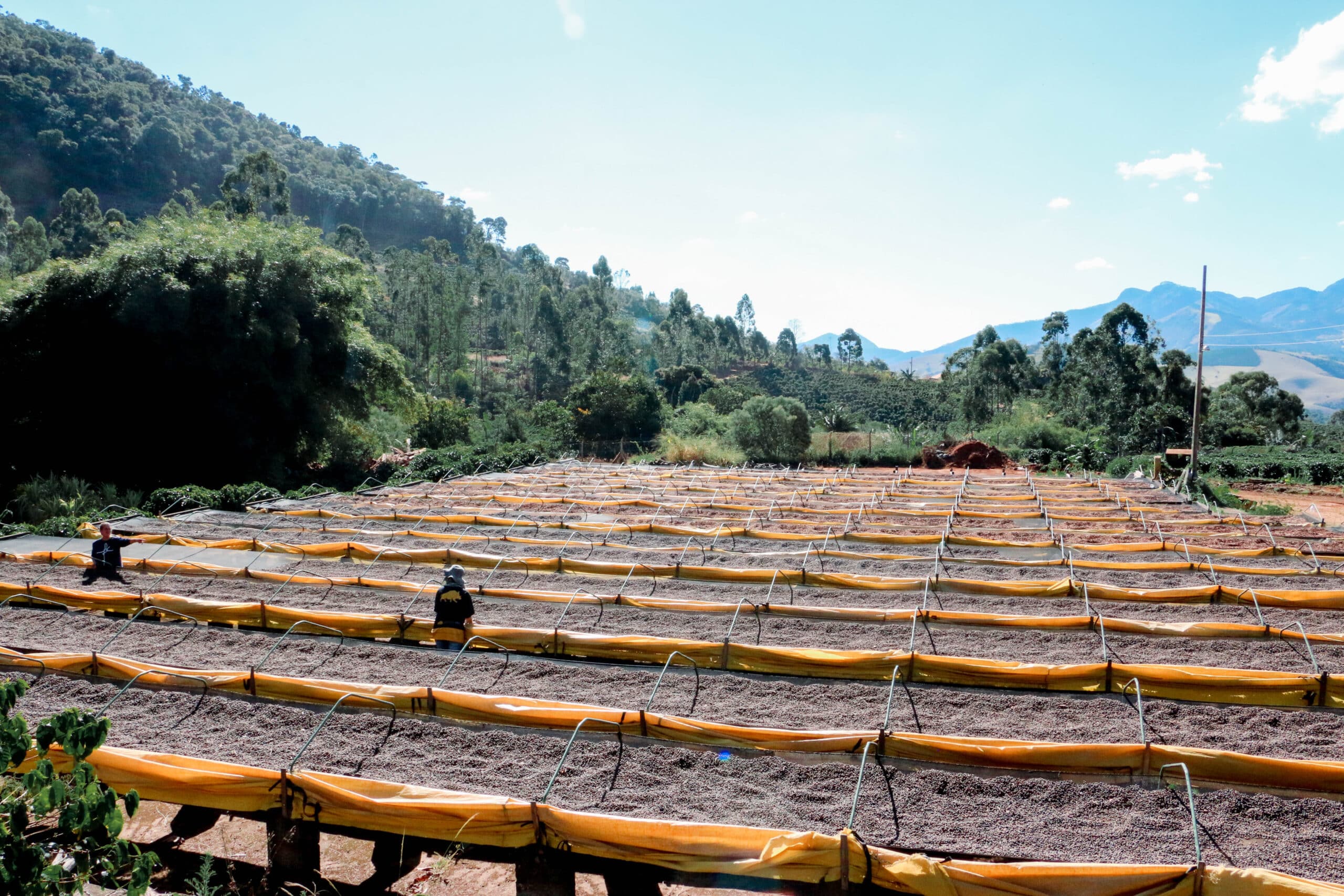
After the processing stage, the coffee moves on to the drying stage. This procedure consists of gradually reducing the amount of water in the fruit, ensuring that it does not develop fungi or toxins detrimental to the lot’s quality. When harvested, the coffee can present up to 60% moisture, but so that it can be safely stored and commercialized, this index must be lowered to the ideal range of 11% to 12%.
Therefore, right after washing or pulping, the beans are taken to patios (preferably concrete and with a slight slope facing the sun) for natural drying in the open air.
After wilting on the patio, the coffee enters the dryers, where a flow of air heated in a furnace passes through the bean mass to finalize the drying precisely. The temperature of the air mass goes up to 40°C to 45°C.
To ensure the preservation of the product’s quality, the producer must strictly control several aspects of the machine, such as the relative humidity of the drying air, the air velocity, and the duration of the process. After drying, it can be properly stored.
According to Rosa et al. (2024), coffee is a hygroscopic product, meaning it easily absorbs moisture from the air, which makes it extremely sensitive to the environment it is exposed to. The deterioration of the bean is a natural and irreversible process, whose main cause is the degradation of cell membranes caused by lipid peroxidation and loss of vital enzyme activity.
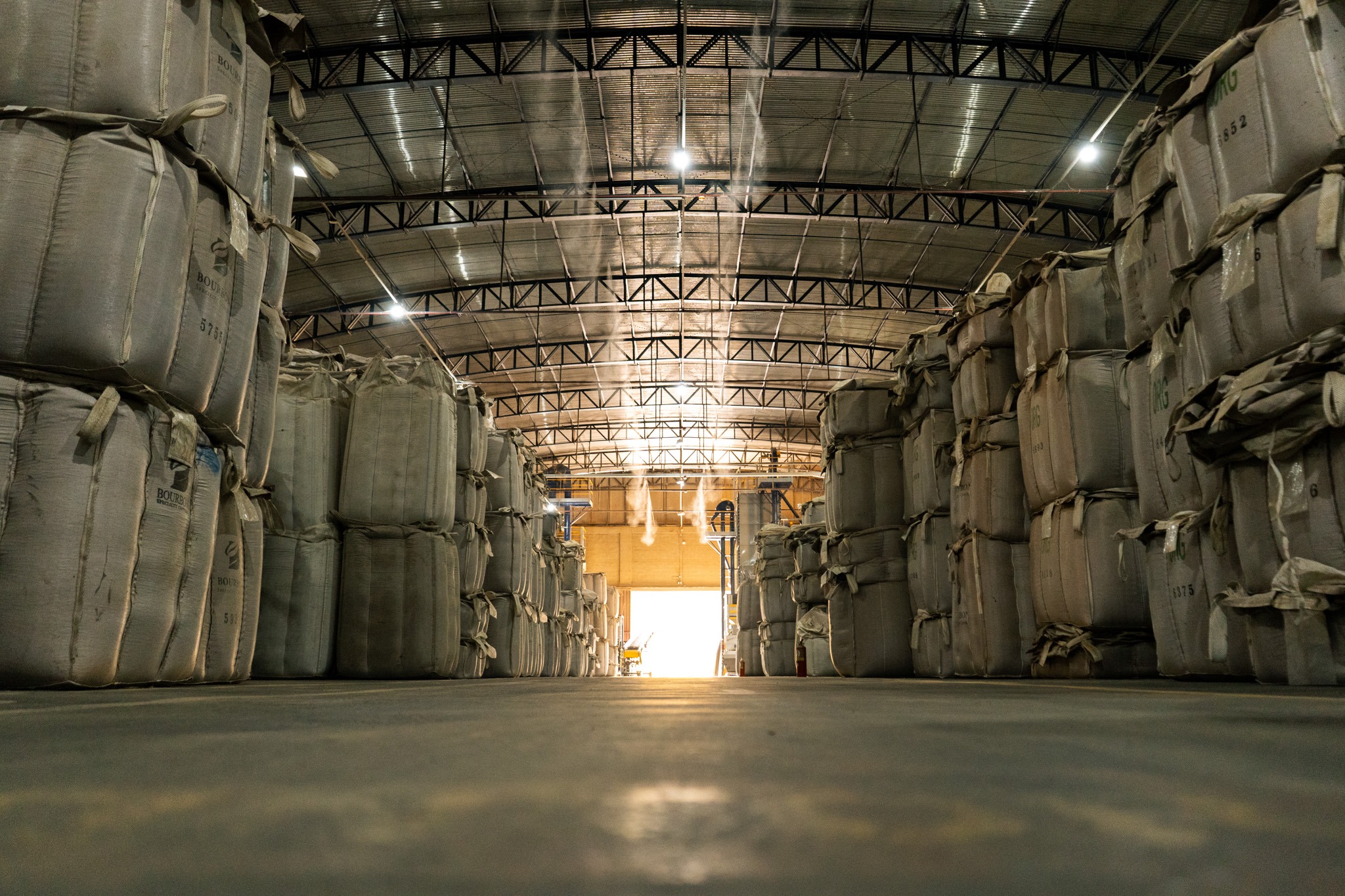
For this reason, it is vital to store the coffee in a way that avoids direct contact with the air and environmental fluctuations. A standard practice in specialty warehouses is the use of high-barrier hermetic packaging, such as GrainPro or Videplast bags. These plastic liners create a protected microclimate, blocking the exchange of moisture and odors with the outside. After the beans are properly sealed in this protective packaging, the hermetic bag is inserted inside the traditional jute sack, which acts as an outer cover to ensure physical resistance and facilitate handling.
Another extremely important factor is the climate of the warehouse, which must be completely controlled, maintaining an average temperature of 20°C and humidity between 60% and 65%. All this is maintained through a climate control system inside the warehouse.
Generally speaking, all processes are determining factors for obtaining a specialty coffee. Reducing the margins of error in management directly means raising the lot’s score. However, it is the harvest and post-harvest that guarantee the bean reaches its maximum potential. Through processing, it is possible to highlight the coffee’s intrinsic quality and develop complex sensory notes. A well-executed drying seals all this care, consolidating the creation of exclusive lots; finally, a safe and efficient storage is what ensures the coffee is delivered with its integrity preserved to the final consumer.