A coffee’s origin is far more than just a point on a map. It is the primary factor that determines not only the flavor that reaches the cup but also the overall quality and reliability of a brand. The geographical environment and local agricultural practices are responsible for ensuring three fundamental pillars of the specialty coffee market: a unique sensory profile, lot consistency, and security of supply.
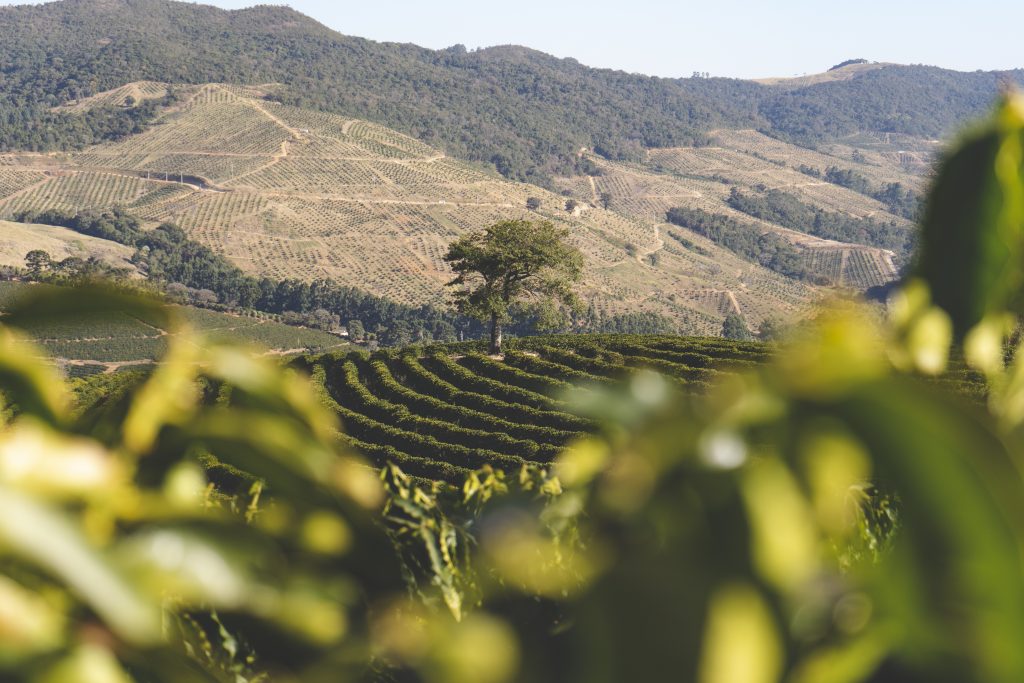
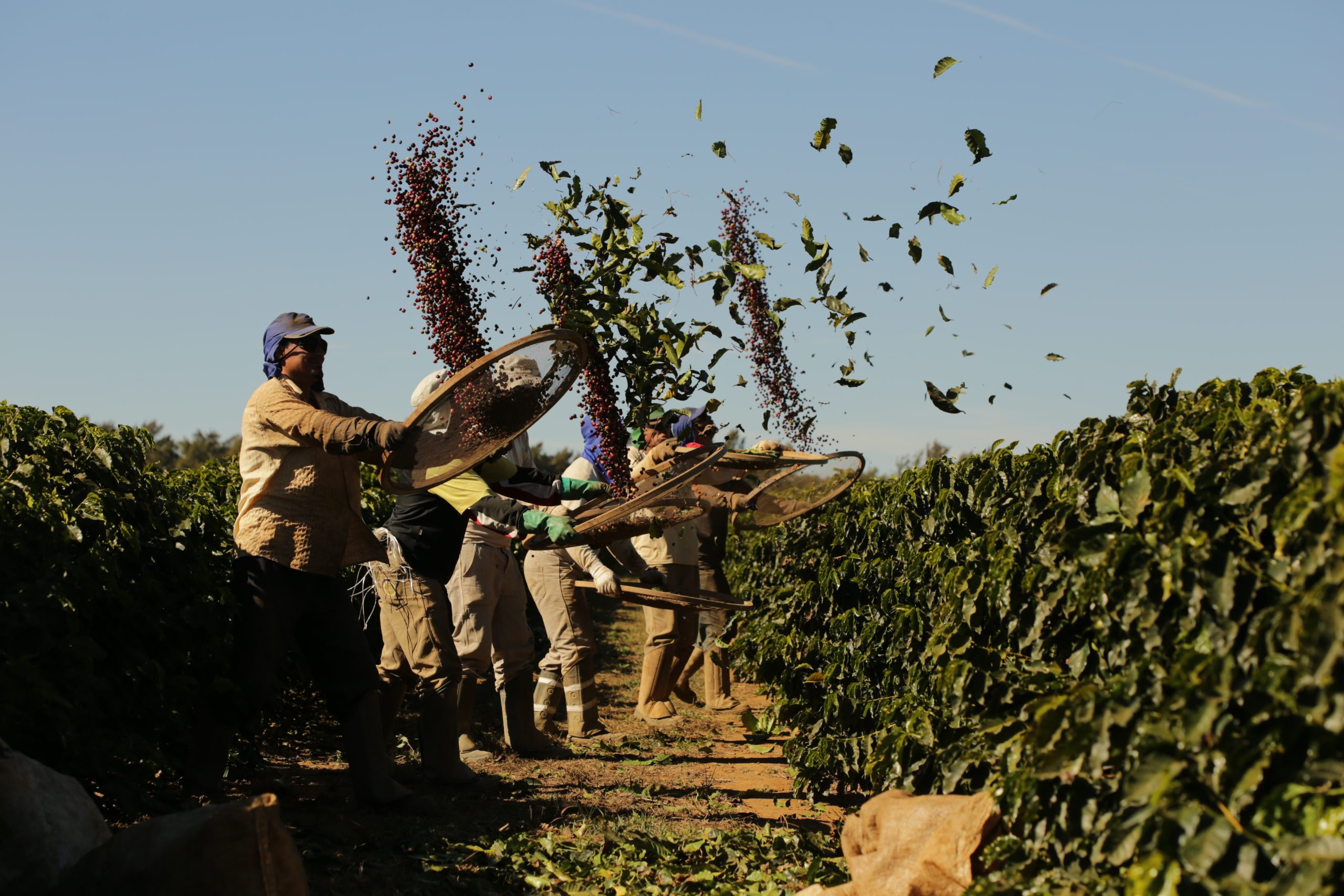
Brazil is a country of continental dimensions, extremely rich in its fauna and flora, and this natural wealth is mirrored in the coffee sector. Currently, the country is the absolute leader in the international market. According to data from CECAFÉ (Council of Coffee Exporters of Brazil), “Brazil broke the annual export record in 2024, shipping 50.443 million bags to 116 countries, achieving increases of 28.5% compared to the previous year and 12.8% over the previous record set in 2020.”
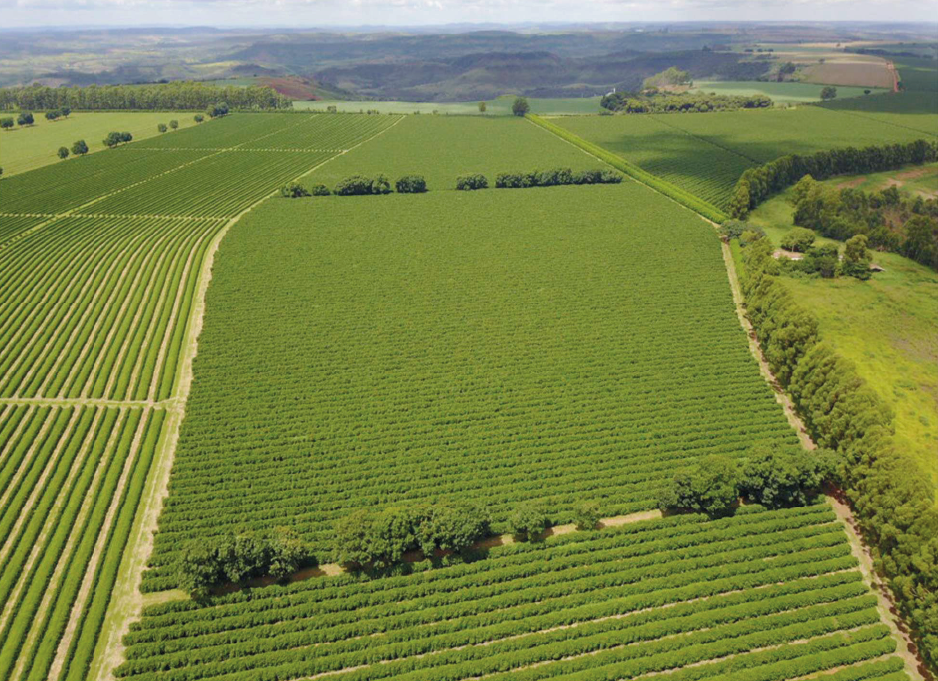
This vast territory enables cultivation in various types of regions. Each possesses distinct characteristics of climate, relief, and soil which, allied with tradition and the careful management of local producers, make up the so-called terroir. It is this diversity that allows Brazil to offer everything from full-bodied and chocolatey coffees to beans with bright acidity and floral notes.
Terroir is the sum of several natural and human factors that interfere with the distinct characteristics of each coffee. These variables include climate (temperature, rainfall, humidity), altitude, soil (minerals influencing the sensory profile), topography (sun exposure), plant varieties, and agricultural management (fertilization, pruning, harvesting, and roasting).
Guaranteeing security of supply and consistency requires diversification. That is why Bourbon’s product line explores precisely the best of different origins in Brazil. Through a constant process of monitoring and tasting in a country of such proportions, we strategically define where we should operate. Thus, we create a range of products that presents not only great delivery consistency throughout the year but also an incredible uniqueness in specialty coffees.
Bourbon makes a point of operating in and certifying the quality of eight distinct coffee-producing regions to deliver the best experience Brazilian coffee can offer. They are:
São Paulo (Alta Mogiana);
800m to 1,100m;
Climate: Warm and temperate, average temperature of 19.4°C (21°C in summer, 17°C in winter);
Catuaí (Red and Yellow), Yellow Bourbon, Obatã, and Catucaí;
Striking sweetness, dense body, and medium citric acidity. Chocolate and nut notes are common in this traditional region;
The climatic consistency of Alta Mogiana ensures uniform lots, ideal for roasters seeking stability in their blends.
Minas Gerais (Matas de Minas);
950m to 1,400m;
Warm and temperate, average temperature of 18.5°C (22°C in summer, 16°C in winter);
Catuaí (Red and Yellow) and Catucaí;
Floral and winey notes, intense sweetness, herbaceous touch, and purple fruits (jabuticaba and grape);
The presence of varied microclimates allows for the selection of lots with unique sensory profiles, ideal for the high-scoring microlot market.

Minas Gerais (Cerrado Mineiro);
950m to 1,200m;
Warm and temperate, average temperature of 20.1°C (22.3°C in summer, 16.7°C in winter);
Arará, 2S2, Bourbon, Catuaí, and Catucaí;
Intense fragrance, bright citric acidity, and sweet notes of caramel and almonds/nuts;
Offers one of the best cost-to-quality ratios in Brazil, combining high-altitude terroir with the cutting-edge technology of the Cerrado Mineiro.

Minas Gerais (Matas de Minas);
900m to 1,400m;
Warm and temperate, average temperature of 18.7°C (22°C in summer, 16.5°C in winter);
Yellow Catuaí, Red Catuaí, and Catucaí;
Notes of caramel, dark chocolate, florals, and citrus fruits. Dense body and balanced acidity;
Mountain terroir with drying on African beds and greenhouses, ensuring the purity of Washed and Natural coffees; it stands out for its investment in fermentative processes.
Espírito Santo (Montanhas do Espírito Santo);
900m to 1,200m;
Warm and temperate, average temperature of 19.8°C (22.6°C in summer, 16.9°C in winter);
Catuaí, Catucaí, Catimor, Mundo Novo, Caturra, and Paraíso;
Yellow fruits, high sweetness, well-balanced acidity, clean, and with a delicate body;
The region’s oceanic microclimate allows for a rare late flowering (between January and March), shifting the harvest to the end of the year. This unique maturation, added to the transition to washed and pulped natural methods, results in elite microlots (“top of top”).
Minas Gerais (Sul de Minas);
900m to 1,200m;
Warm and temperate, average temperature of 19.1°C (20.6°C in summer, 16.3°C in winter);
Catuaí, Mundo Novo, and Bourbon;
Exotic and tropical with notes of sugarcane juice (garapa), brown sugar, passion fruit, mango, and vibrant acidity;
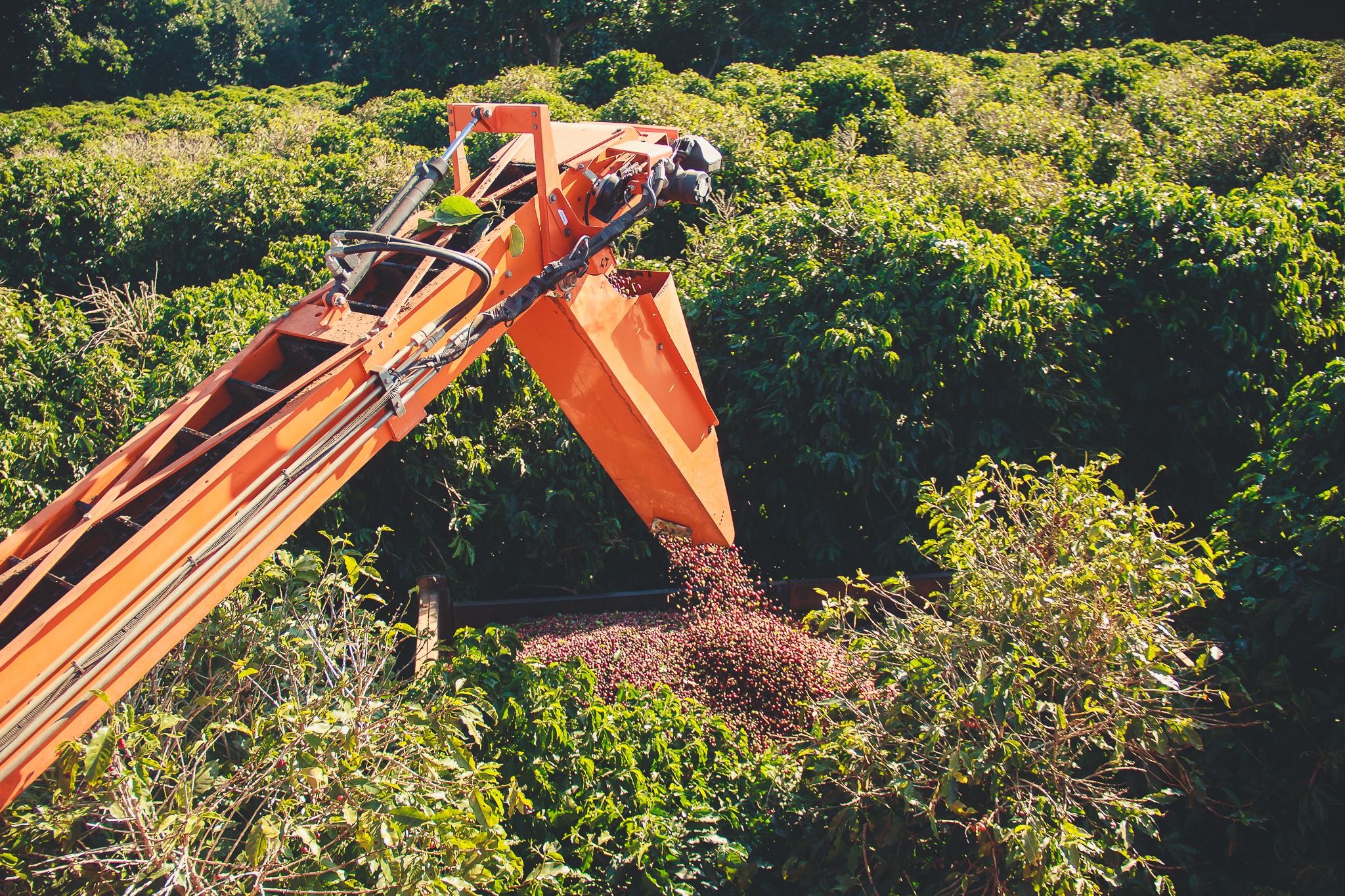
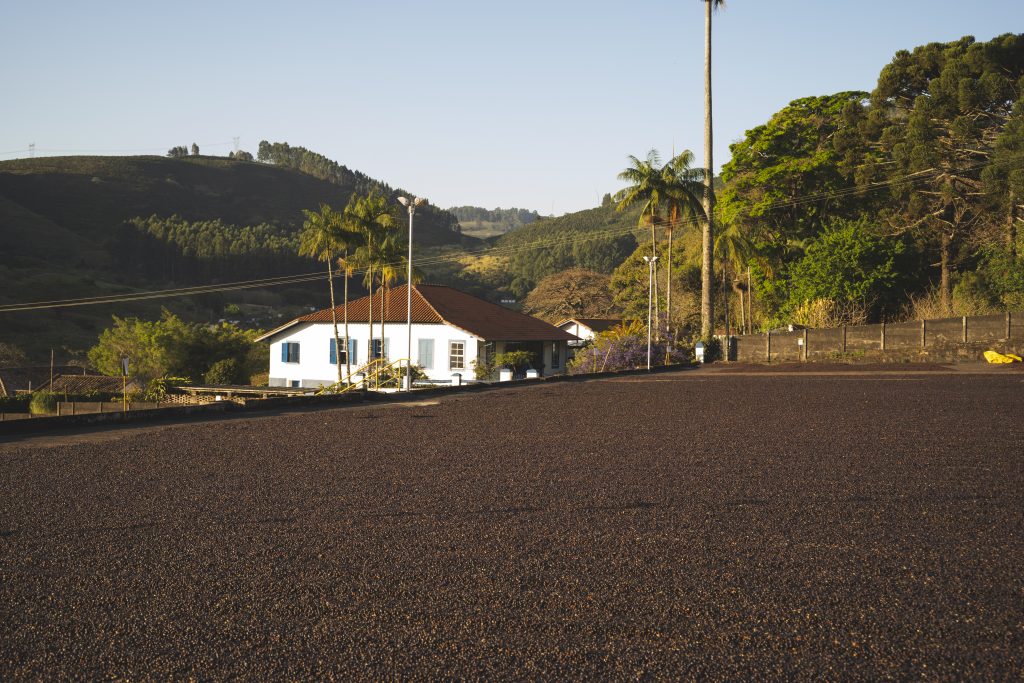
The region combines an extremely dry winter (max. 17mm in August) with high post-harvest technology. The use of asphalt/cement patios and state-of-the-art mechanical dryers, combined with mechanized harvesting, ensures “perfection” in natural coffees.

Minas Gerais (Matas de Minas);
900m to 1,400m;
Warm and temperate, average temperature of 18.7°C in summer and 15.5°C in winter;
Yellow and Red Catuaí, Catucaí, and Mundo Novo;
Balanced body, delicate acidity, and a rich range of flavors varying between citrus notes, caramel, and chocolate;
Handcrafted work and techniques developed by local producers result in high-quality coffees. The result of this effort is the diversity of nuances and flavors present in the coffees.


São Paulo (Mogiana);
900m to 1,400m;
Warm and temperate, average temperature of 19.5°C (22°C in summer, 16°C in winter);
Bourbon (Yellow and Red), Catuaí, and Catucaí;
Citric notes; balance between acidity, sweetness, and citric notes;
Flexibility in processing: with the pulped natural method as the standard, the region utilizes everything from modern washing and grading machinery to drying on African beds.
Bourbon is committed to security of supply and consistency. To achieve this, it is necessary to not only monitor and demand excellence in the product quality process but also to maintain geographical diversification. Monitoring alongside partners and Bourbon buying offices in the various regions offered helps us mitigate risks, diversify our buying base, and decrease the variation in volumes offered due to crop variations. We follow and exercise a rigorous quality control that ensures reliability and security of supply. Furthermore, half of the coffee traded by Bourbon holds some type of certification, such as: