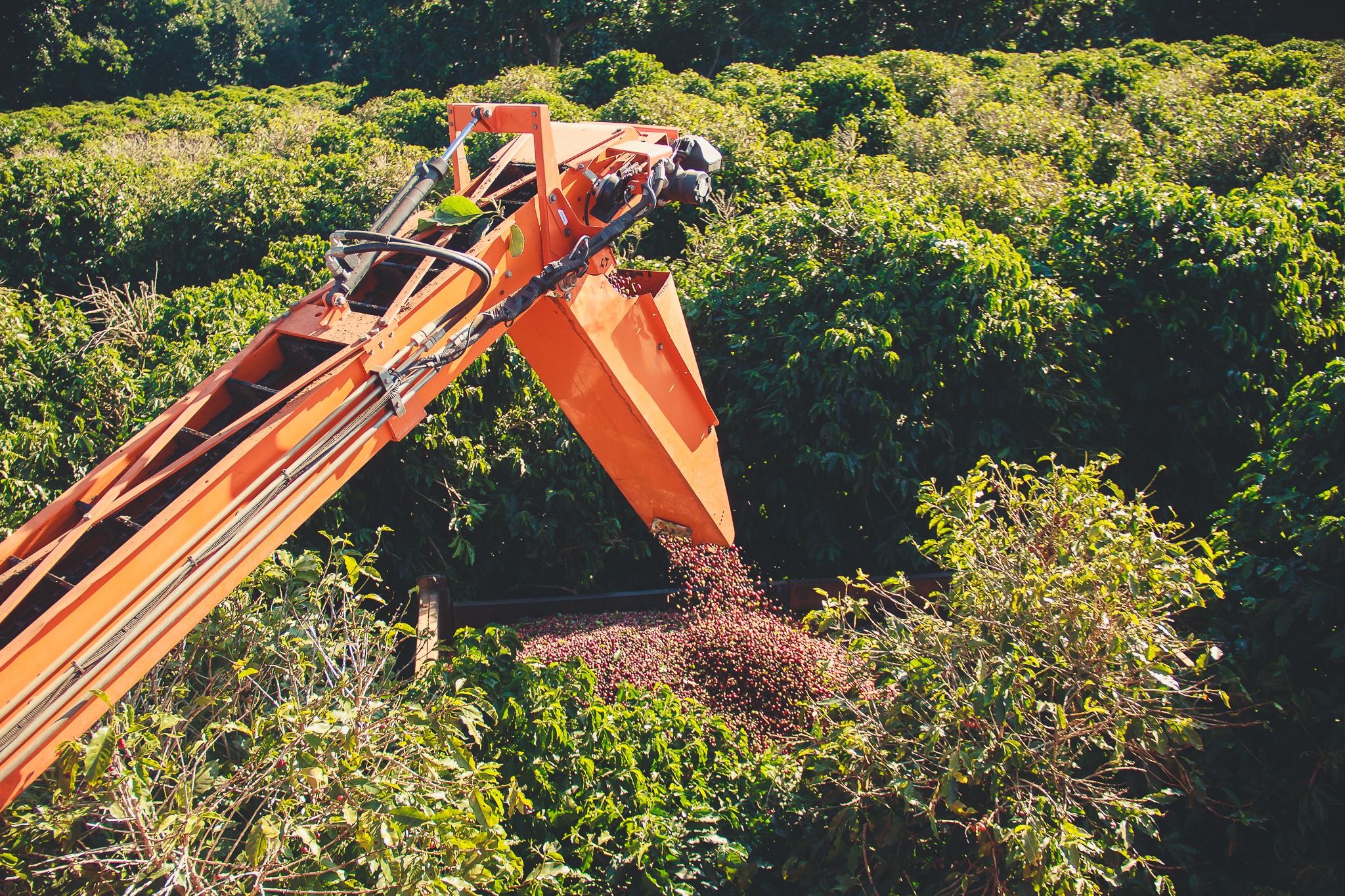
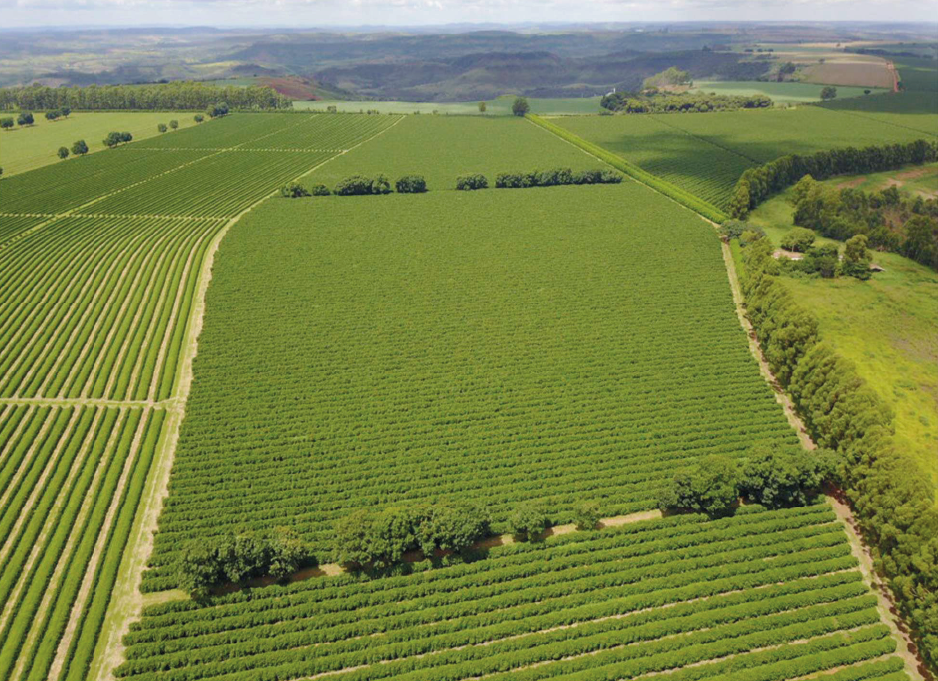
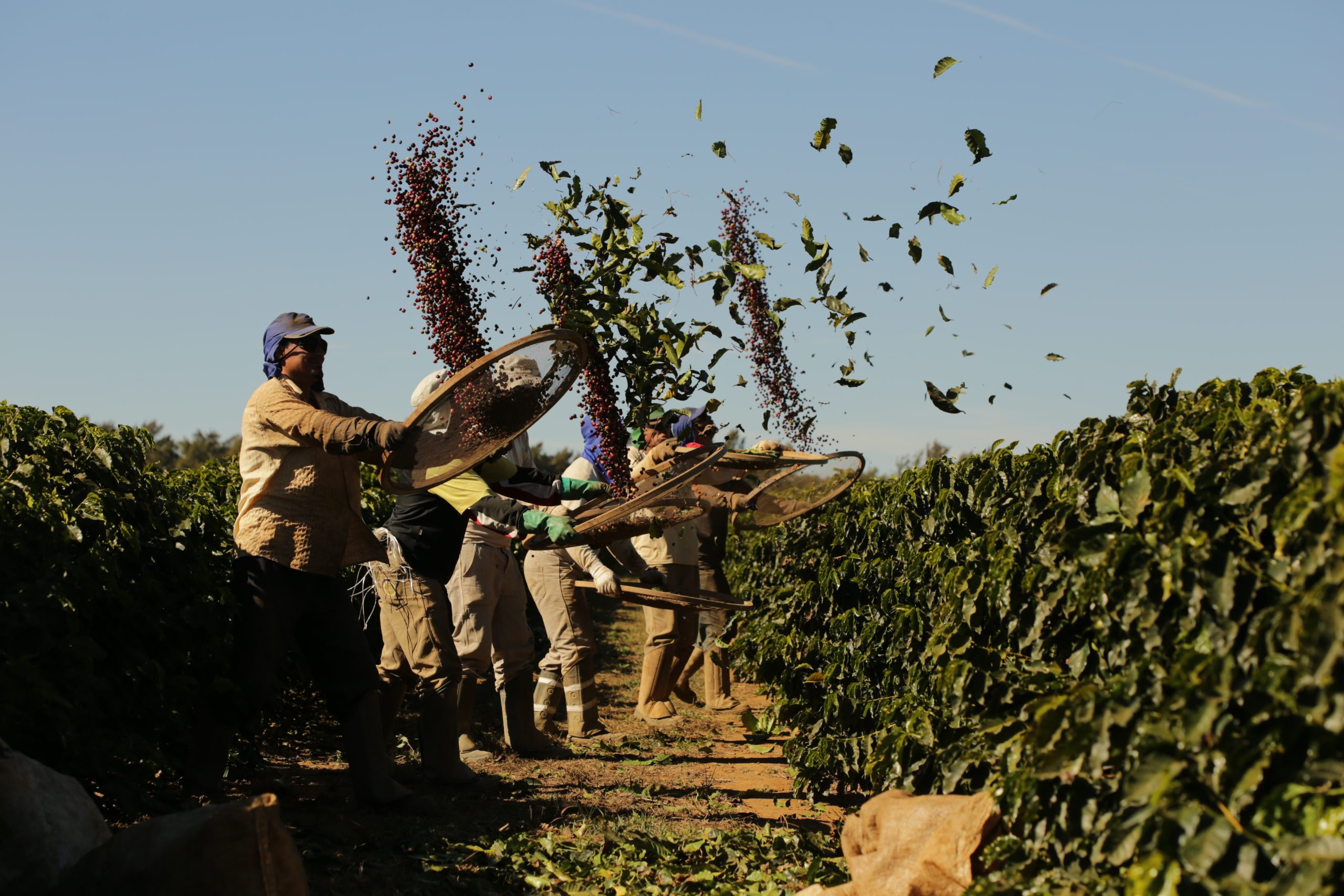
The 2026 coffee cycle begins under historic perspectives, projecting a record volume of over 66 million bags (Arabica and Conilon), surpassing the 2020 mark. Furthermore, this growth, which consolidates a robust supply for the international market, is sustained by a 4.1% increase in the production area (totaling 1.9 million hectares). This exceptional performance is a direct result of advanced technological management combined with full climatic recovery after the thermal stress of 2025.
+73 million bags (Historical record);
Recovery after the 2025 thermal stress with favorable rains in 2026;
1.9 million hectares (+4.1% expansion).
Although the transition from December to January required attention due to the dropping of “chumbinho” in isolated areas a natural physiological phenomenon given the high load of fruits the general panorama remains optimistic. Generous rains at the beginning of the year promoted the recovery of the crops, mitigating the effects of the 2025 thermal stress. With mild temperatures and well-distributed humidity, the grain-filling phase was greatly favored, resulting in excellent screen classifications and vigorous foliage.
Thanks to excellent climate recovery, the region is estimated to produce between 8.8 and 9.3 million bags, representing an expressive growth of 25% to 35%.
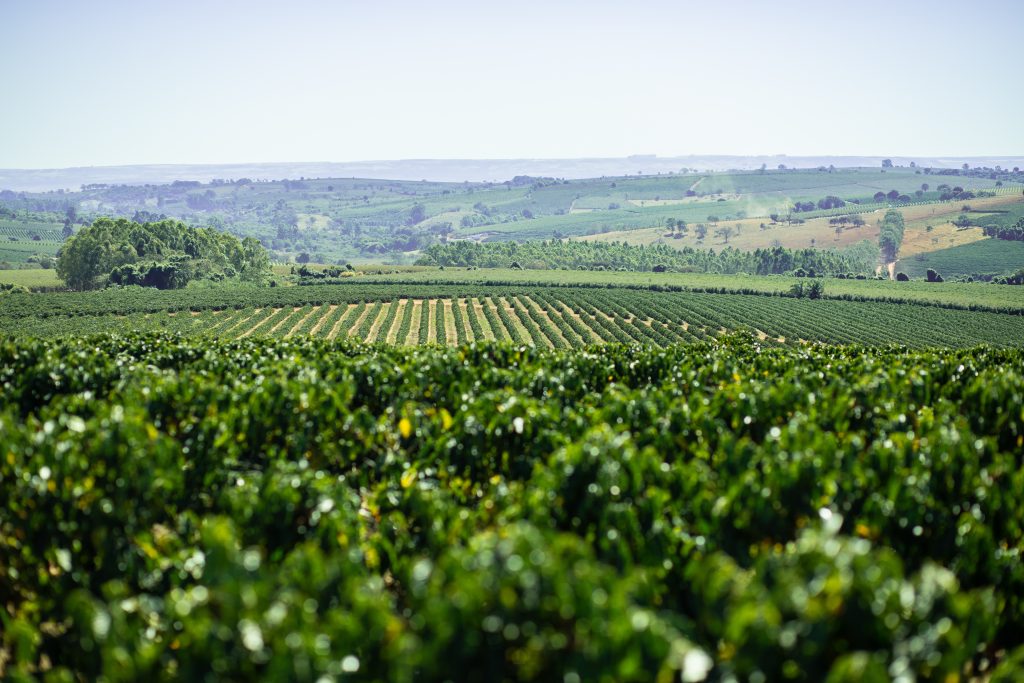
Consolidated as the main region of São Paulo, Mogiana maintains its relevance with an estimated productive area between 130,000 and 200,000 hectares. The strong vegetative development contributes to positive expectations in the filling of the rosettes.

In a positive biennial cycle (“on year”), the Cerrado registered episodes of water deficit that caused some fruit drop. However, the remaining fruits show ideal development. The optimism of the region is proven by the seedling sector, which surpassed the mark of 90 million units sold.
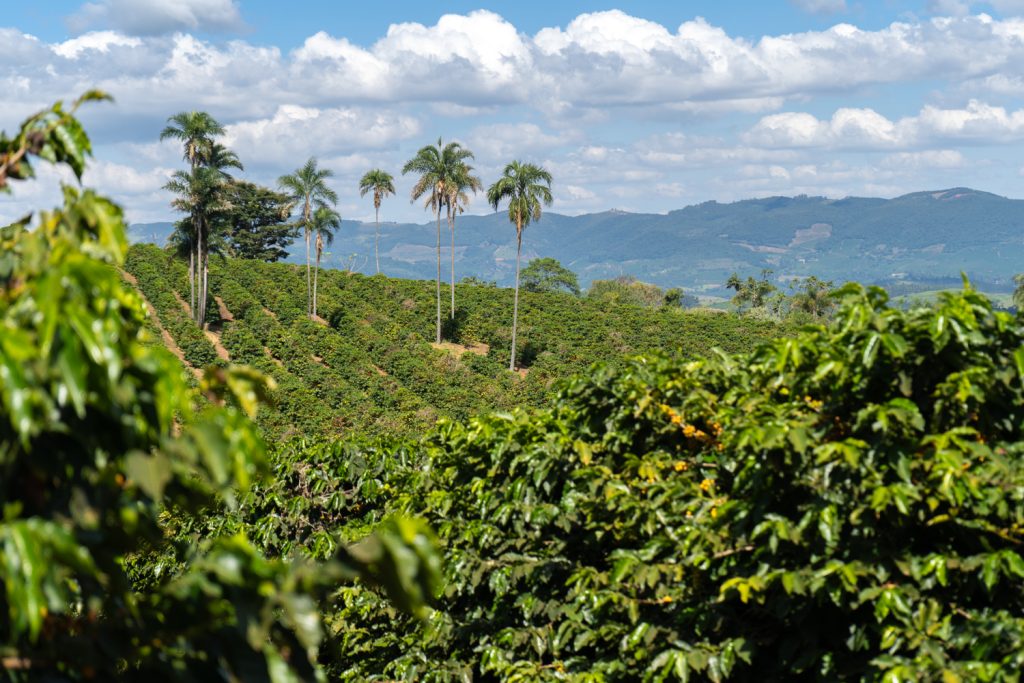
The intense rains in January and February were excellent for the formation and filling of the fruits; the March rains are expected to conclude this phase very favorably. As the largest Arabica pole in the country, the region relies on a strong cooperative infrastructure. Although projections indicate a slight drop of 13% in relation to the 2020 record, the attractive prices since 2022 boosted an expansion in the productive area, estimated at a growth of over 10%.
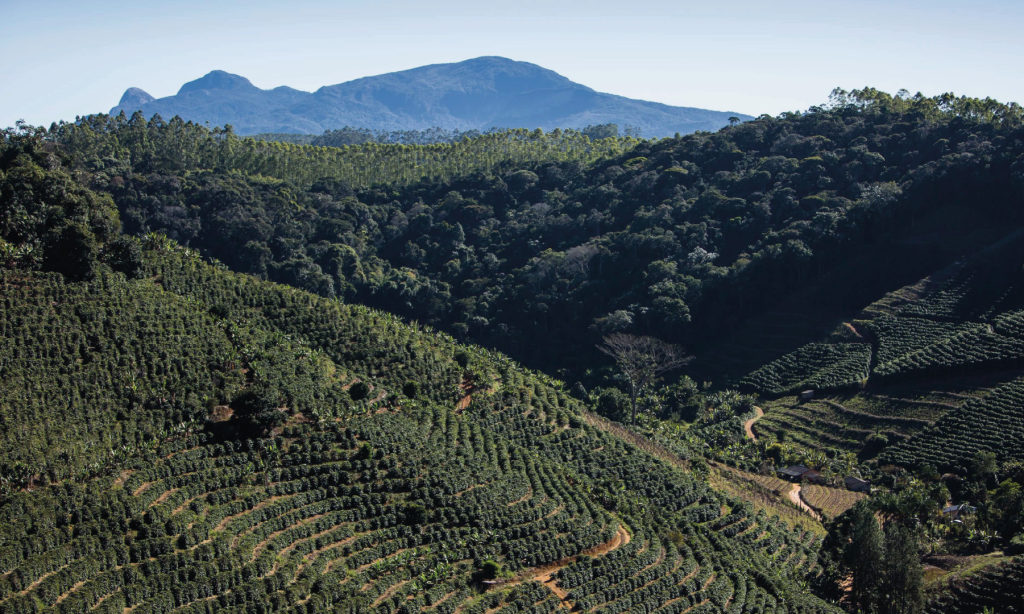
Without the impact of severe climatic events, the current harvest benefits from constant rains that boost plant growth. The development follows the expected pattern, consolidating positive expectations for the final production volume.
The 2026 harvest is not just a statistical record; above all, it marks the consolidation of a new technological era in Brazilian coffee farming. By surpassing the historical ceiling of 2020, the sector demonstrates an unprecedented resilience, proving that the integration between precision genetics and adaptive management can neutralize severe climatic liabilities.
Thus, for the global market, this high-quality surplus volume represents a strategic stabilization in world stocks of Arabica and Conilon. According to projections by the International Coffee Organization (ICO), global consumption maintains a resilient growth trajectory of 1% to 2% per year, driven by the rise of Asian markets and the demand for certified coffees. In this scenario, Brazil stops being just the largest producer to become the safe haven for roasters and exporters seeking security of supply, traceability, and high-density beans.