The green coffee market has been facing a period of significant volatility. Weather conditions affecting major producing regions, shifts in trade policies, tariffs, geopolitical tensions, and logistical disruptions can all influence coffee availability, costs, and delivery.
For importers and roasters, navigating this environment requires more than just monitoring market prices. It demands greater visibility across the entire supply chain and, above all, the ability to anticipate different scenarios.
Even with a favorable Brazilian harvest in 2026, with production reaching significant levels, coffee availability cannot be evaluated independently of other market factors. Logistics, international trade, weather patterns, freight costs, and global demand shifts all impact the journey from origin to destination.
In other words, a strong harvest does not automatically guarantee a predictable supply chain.
In this landscape, building a resilient purchasing strategy is essential to minimize exposure to unexpected disruptions and enhance supply predictability. For importers and roasters, this means looking beyond spot buying and considering the complete supply chain behind every lot of green coffee.
At Bourbon Specialty Coffees, we believe the most effective strategies stem from solid relationships, proactive planning, and deep-rooted knowledge at origin.
In a volatile market, commercial partnerships become a vital component of risk management.
Working with a transparent and dependable exporter gives roasters and importers direct visibility into origin conditions—from crop health and coffee availability to processing, quality control, and shipping timelines.
A strong exporter is far more than a green coffee supplier; they serve as an essential intelligence partner, helping buyers anticipate market dynamics that could impact supply in the coming months.
At Bourbon Specialty Coffees, relationships are the core of our business model, not just an operational resource. We foster close, transparent bonds at both ends of the chain: with the producers crafting quality at origin, and with the importers relying on that consistency to supply their markets.
The majority of our partner producers have worked alongside us for over 20 years. We know their farms, track their harvests, and understand their unique challenges enabling us to anticipate variations, secure top-tier lots, and provide technical support whenever needed.

When supply chains face pressure, timing becomes critical.
For roasters, anticipating purchasing needs and securing forward contracts provides clear visibility over volumes, specifications, and delivery schedules. Commercial planning must also factor in lead times between contract execution and final destination arrival.
This includes accounting for potential port congestion, shipping schedule adjustments, vessel availability, and other logistical variables.
The less time available to react, the higher the exposure to market volatility. Consequently, purchasing strategies should extend beyond immediate demand. Forecasting consumption, understanding shipping windows, and scheduling buying periods help businesses mitigate risks before they escalate into operational bottlenecks.
Another pillar of supply resilience is avoiding over-reliance on a single origin, region, or sourcing channel.
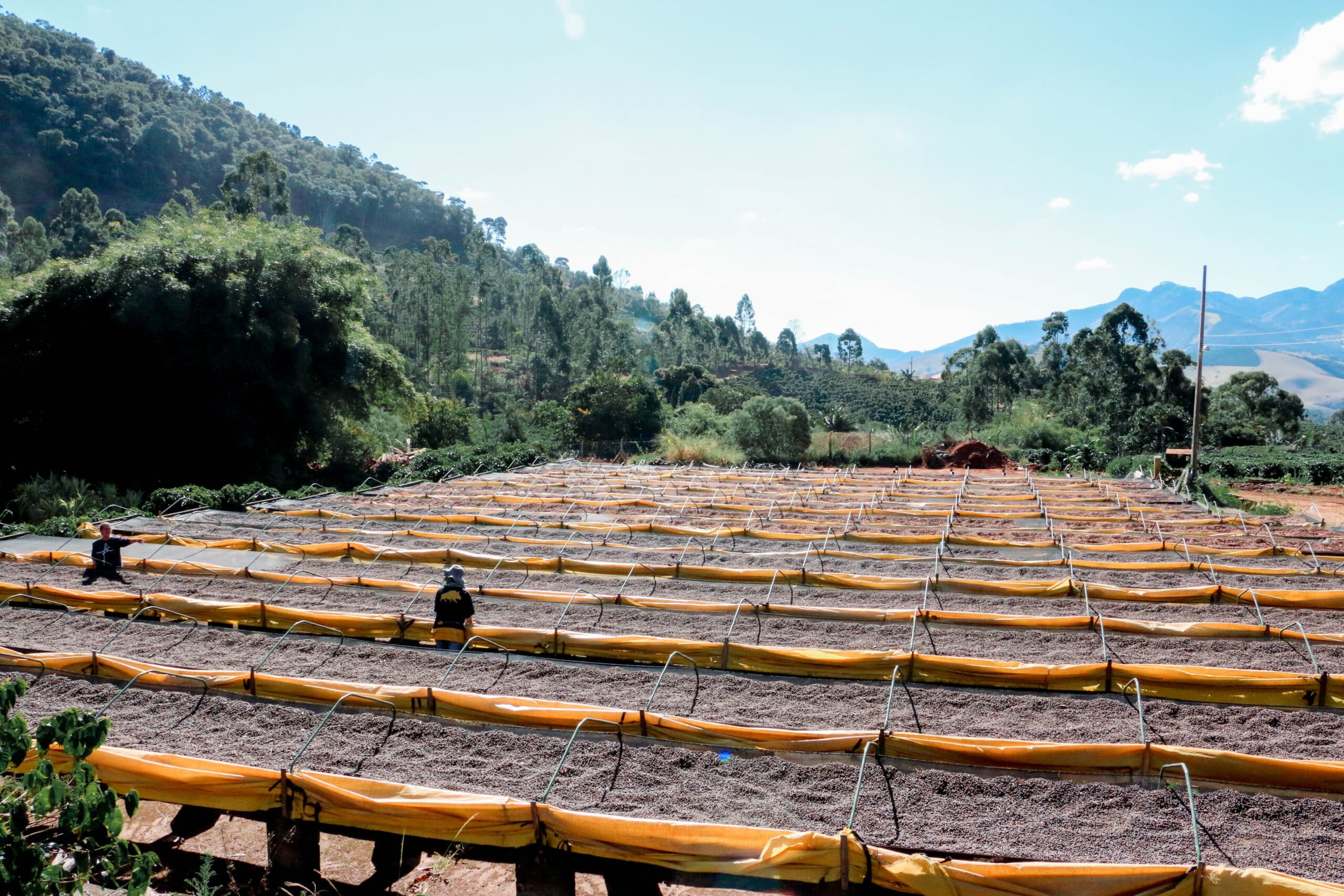
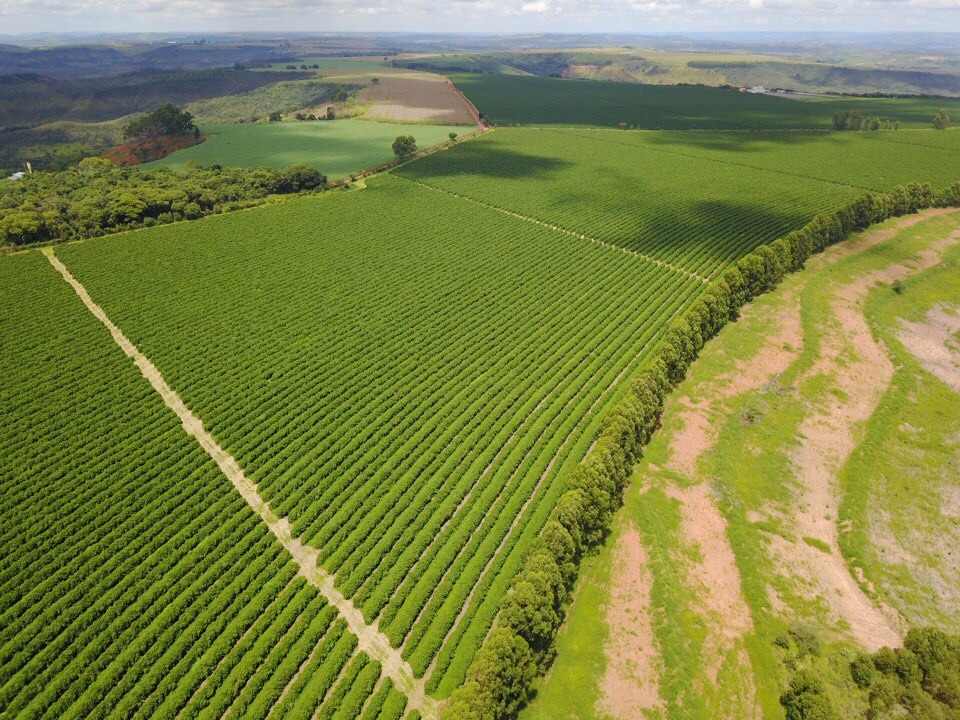
Brazil’s coffee-producing landscape offers a distinct advantage in this regard. Its diverse growing regions feature distinct microclimates, altitudes, farming practices, and harvest periods, resulting in a broad range of flavor profiles and supply windows.
Diversification does not mean compromising on consistency. When managed strategically, a diversified sourcing model allows buyers to maintain access to coffees that fulfill their sensory and quality standards while diluting concentration risk.
Understanding the nuances of different origins empowers roasters to build contingency options well before urgent needs arise.
Predictability is driven by actionable information. Monitoring weather trends, flowering cycles, rainfall, crop development, yield forecasts, stock levels, and port logistics offers key indicators of future supply chain movements.
Rather than reacting after a disruption occurs, companies can track these variables to anticipate potential shifts in availability and adjust procurement plans accordingly.
This is where close origin partnerships prove invaluable. The objective is not to forecast the market flawlessly—no organization can control climate patterns, benchmark prices, or geopolitical events. The goal is to enhance visibility and control the variables within reach.
For specialty coffee buyers, supply predictability relies on receiving coffee that consistently meets agreed-upon specifications.
Volume, quality, timeliness, and traceability are interconnected. A shipment delivered on schedule is ineffective if it falls short of the target sensory profile or physical grading standards. Likewise, an outstanding coffee loses value if it cannot be supplied reliably or within required timeframes.
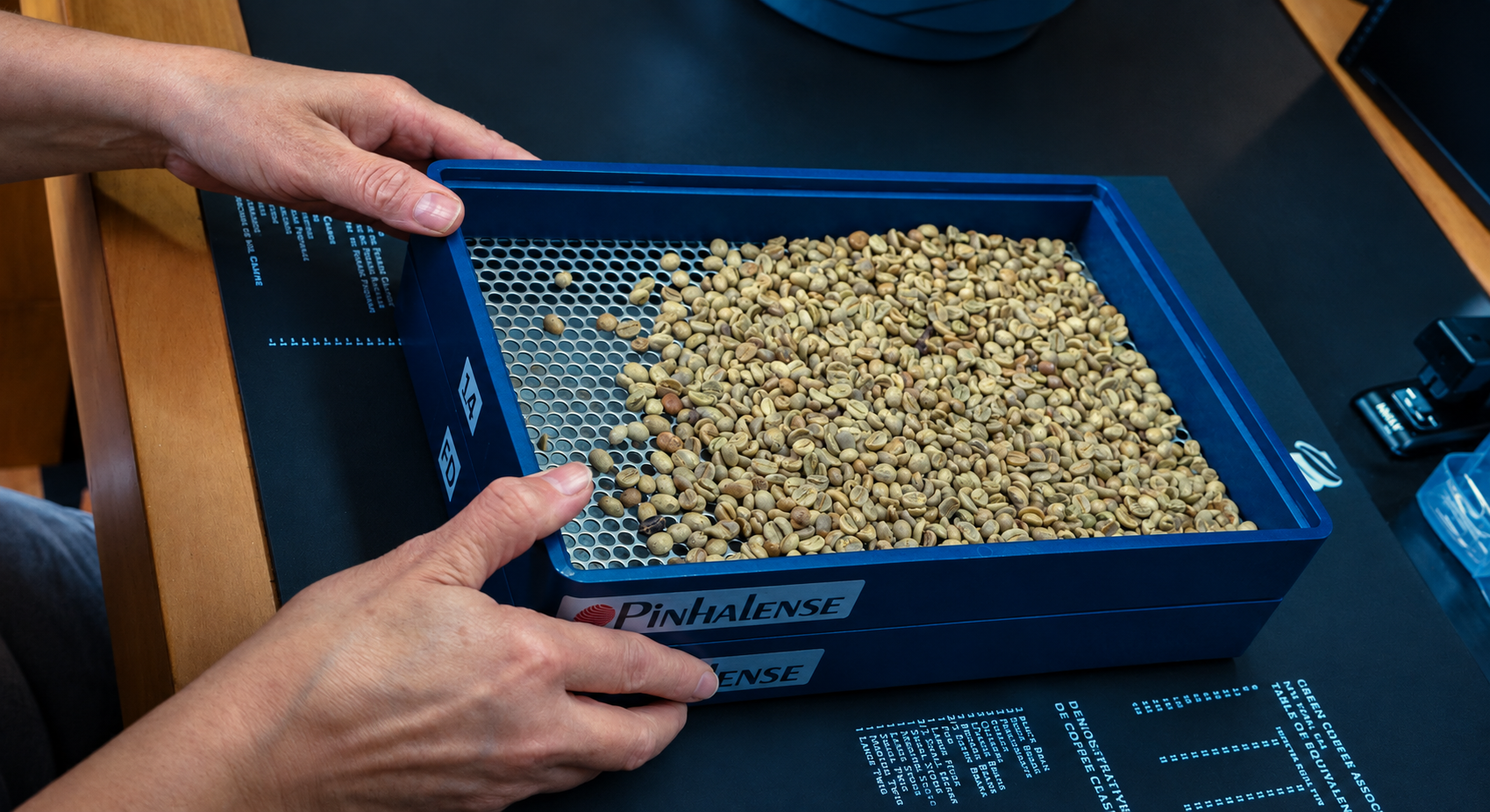
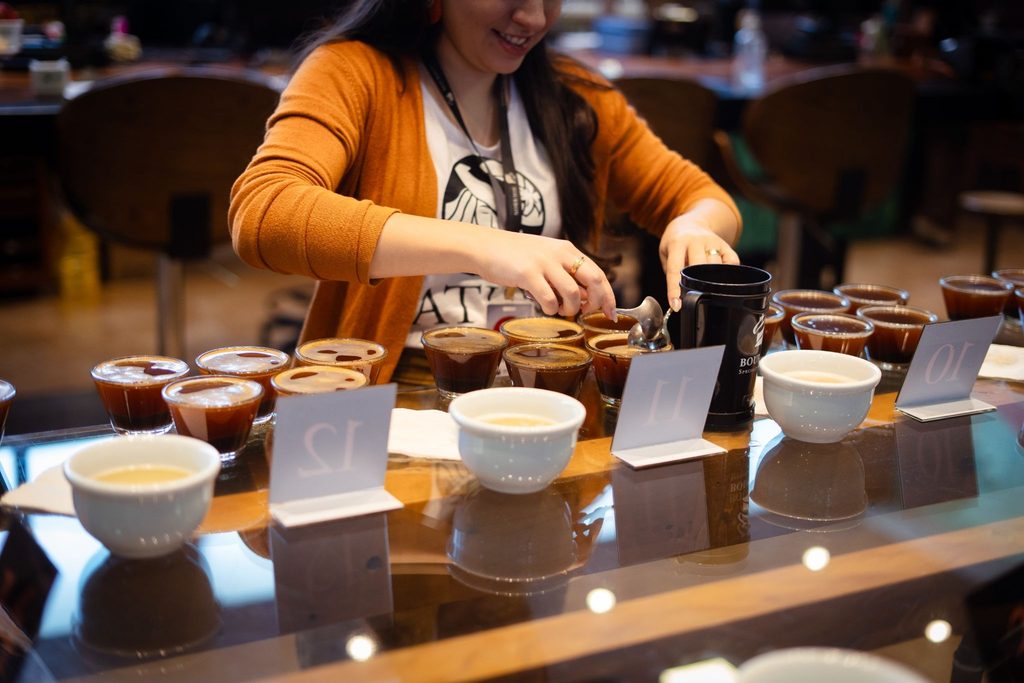
Rigorous quality control, pre-shipment sample evaluations, full traceability, and clear contractual specifications play a foundational role in establishing a dependable supply chain.

Volatility is an inherent reality of the coffee industry, driven by factors beyond any single company’s control. What organizations can control is their level of preparation.
A resilient green coffee procurement strategy relies on strong partnerships, forward planning, origin diversification, reliable market intelligence, and uncompromised quality management.
At Bourbon Specialty Coffees, relationships form the foundation of everything we do. Our commitment to delivering exceptional coffee begins in the field, long before the harvest. For over 25 years, we have built a direct presence across Brazil’s premier coffee regions, supported by our own origination offices and dedicated field teams.
We cultivate close bonds at both ends of the spectrum: supporting the producers who cultivate quality and serving the importers who depend on it. Because many of our producer partners have been with us for more than two decades, we know their farms intimately, monitor harvests step-by-step, and offer ongoing technical guidance. This hands-on proximity allows us to navigate challenges, identify standout lots, and provide what today’s market demands most: consistency, transparency, and trust—harvest after harvest.