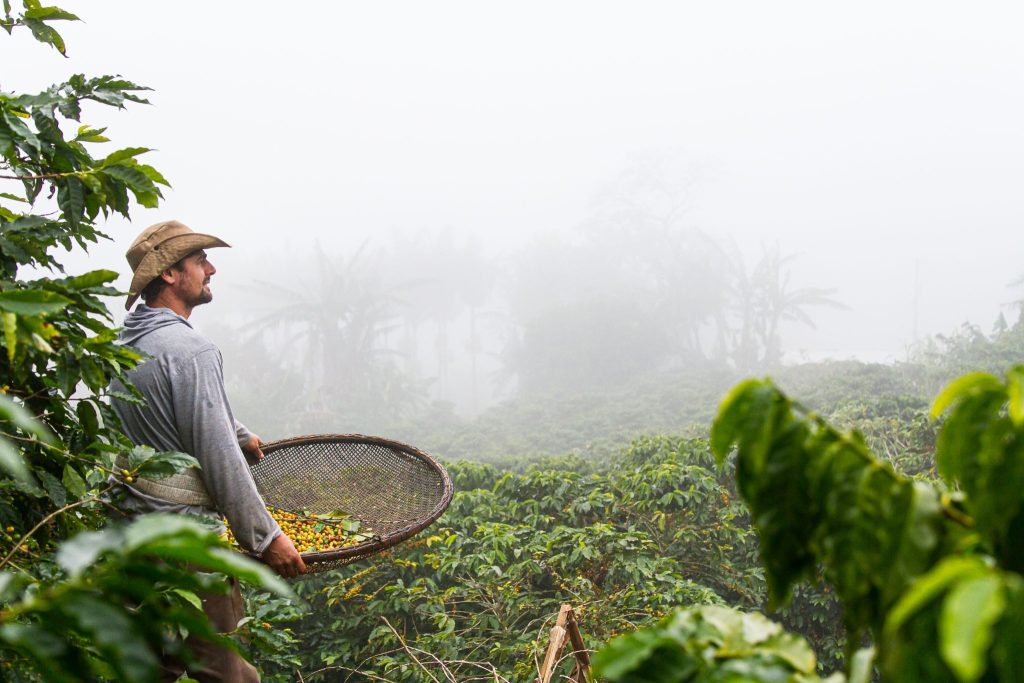
According to the State of the Global Climate report by the World Meteorological Organization (WMO), we are experiencing a global climate crisis. Seasons that were once well-defined (summer, autumn, winter, and spring) are becoming increasingly erratic. In addition to severe heatwaves, we face water scarcity or, conversely, excessive rainfall. All these factors affect every living organism, including plants, which, in fact, are the ones that feel it the most. But after all, how does climate interfere with coffee tree development? And how can management practices mitigate these impacts?
The plant’s physiological development is extremely sensitive to these fluctuations, which directly reflects on the bean’s sensory profile and generates market volatility. Thus, climate adaptation emerges as the central pillar to ensure the long-term viability of coffee farming.
While climate is the most urgent variable, it interacts with fixed elements that determine the beverage’s potential:
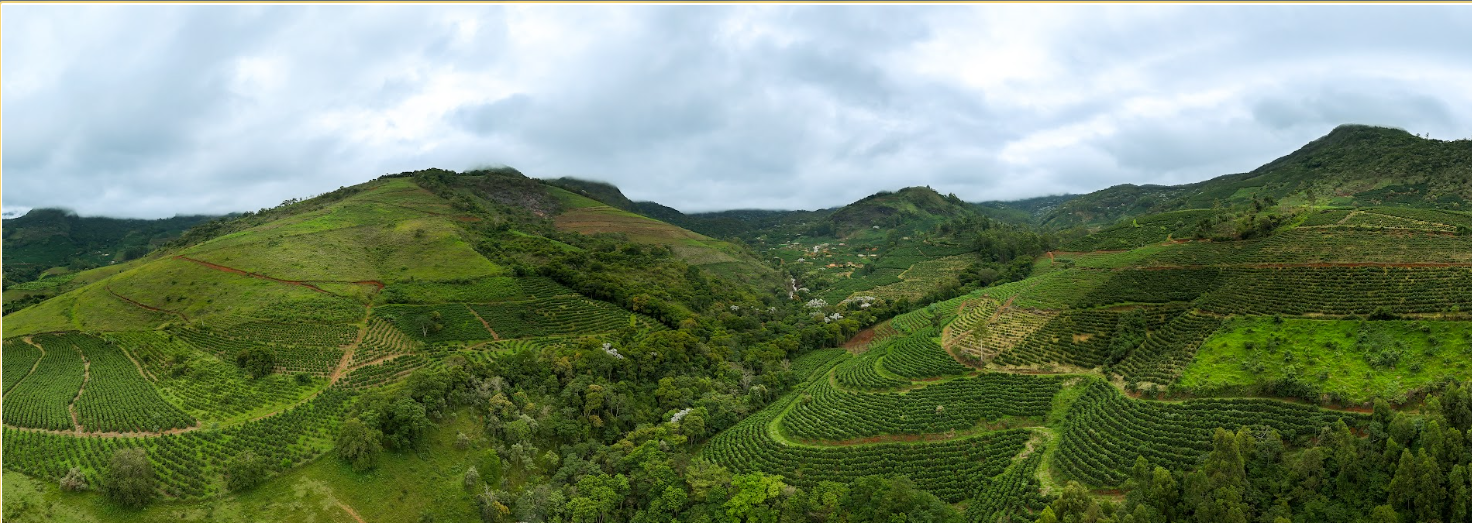
This is one of the most influential factors in quality, as it directly affects the uniformity of the coffee tree. Higher altitudes ensure a prolonged maturation, allowing all biochemical processes to be completed. This results in a beverage with more intense aroma and flavor profiles.
Responsible for nourishing the plant, soil subtypes drastically influence the sensory profile. Volcanic soils, such as those in the Poços de Caldas region in Minas Gerais, tend to yield chocolate and caramel notes. In contrast, soils with higher organic matter can promote more citric characteristics.
To fully understand the current harvest, we must look at the two pillars that define yield:
Climate influences every stage of the coffee cycle, from planting to drying. High temperatures accelerate metabolism, causing premature ripening where the fruit turns red, but the bean fails to accumulate the necessary sugars, damaging the final specialty score. While excessive heat burns off sugars, sudden temperature drops represent a fatal risk. Frosts or temperatures below 10°C can cause flower abortion and, in extreme cases, die-back (death of branches), compromising not only the current harvest but the longevity of the plantation.
Rainfall is one of the most essential yet unpredictable resources. Scarcity directly interferes with the phenological stages of the plant. Conversely, excessive rain harms flowering and nutrient absorption. Furthermore, irregular rainfall leads to uneven ripening, triggering productivity losses and logistical complexities.
The key to facing these challenges lies in management. Since climate variables are uncontrollable, the strategy must focus on agricultural technology and precision interventions. Key solutions include:
Specialty coffee producers prioritize regions with mild, stable climates where moderate temperatures allow the coffee tree to reach its physiological peak. This stability fosters slow maturation and the full development of flavor precursors. However, the new global climate reality has begun to challenge even the most privileged terroirs, disrupting historical predictability.
In this scenario, quality can no longer depend solely on geography. The modern producer must master both mutable and immutable variables (weather, climate, and altitude), transforming knowledge into resilience. When nature stops providing ideal conditions spontaneously, precision management expertise steps in to bridge the gap. Mastering these variables means anticipating extremes and ensuring sensory profile consistency, regardless of harvest adversities.