The global coffee market is navigating one of the most demanding periods in recent history. Following years of severe shortages, record-high prices, and supply chains weakened by climate events, logistical disruptions, and geopolitical pressures, buyers often find themselves vulnerable to variables completely outside their control. How can buyers avoid remaining hostage to such an unstable supply chain? The answer lies in choosing a partner that is not merely reputable, but backed by an operational infrastructure and green coffee sourcing quality control system robust enough to protect business margins when markets face extreme volatility.
According to the Specialty Coffee Association (SCA), the most critical challenges reported by roasters and green coffee importers in 2025 centered on green coffee availability, pricing pressures, operating costs, and cash flow constraints. These pain points are direct symptoms of upstream supply chain instability and every single one can be actively mitigated with the right export partner.
This article examines why an exporter’s physical operational capacity and end-to-end quality control protocols serve as the decisive baseline for safeguarding consistency, regulatory compliance, and continuity of supply in an increasingly stringent market.
The green coffee market enters 2026 under an impression of temporary relief following the historic price shocks of recent cycles. However, underlying market fundamentals serve as a clear reminder that this calm may be brief: structural volatility is here to stay.
Data from the Brazilian Coffee Industry Association (ABIC) indicates that the average retail price of roasted and ground coffee surged by nearly 80% across recent crop cycles. This spike reflects severe weather anomalies across major origin countries, critically low global ending stocks, and sustained volatility on the ICE futures exchanges.
Within this macro environment, the actual cost of green coffee extends well beyond the NY “C” market or terminal price. The true landed cost equals the sum of physical processing losses, working capital commitment, cup quality risk, potential lot reclassification, logistics demurrage, and regulatory compliance expenses. The more fragile an exporter’s operational backbone, the greater the exposure to unbudgeted landed costs.
Systematic quality control functions as the buyer’s frontline defense against these supply chain liabilities.
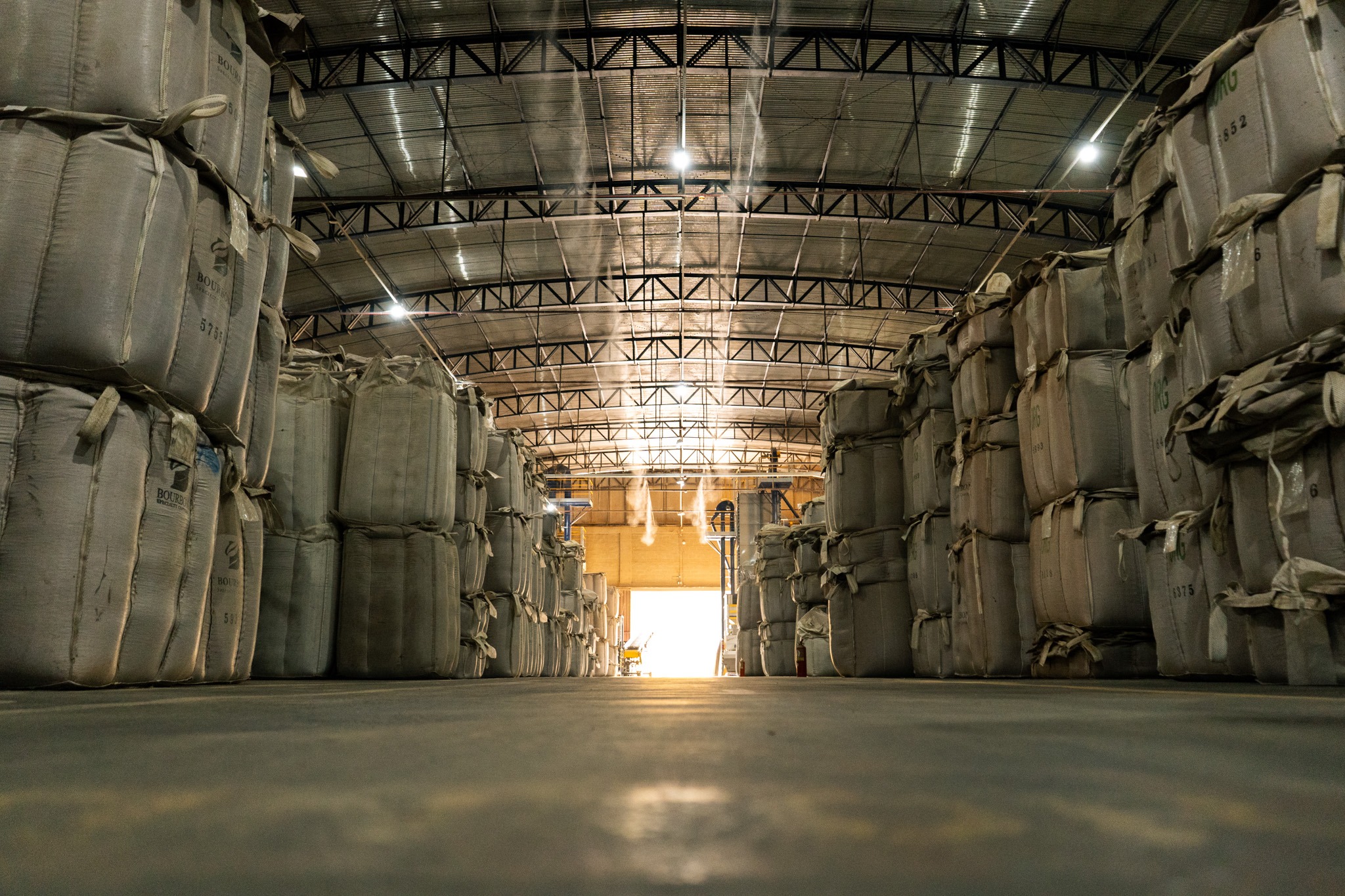
For an origin-integrated coffee exporter, operational infrastructure comprises concrete physical, technical, and human capabilities:
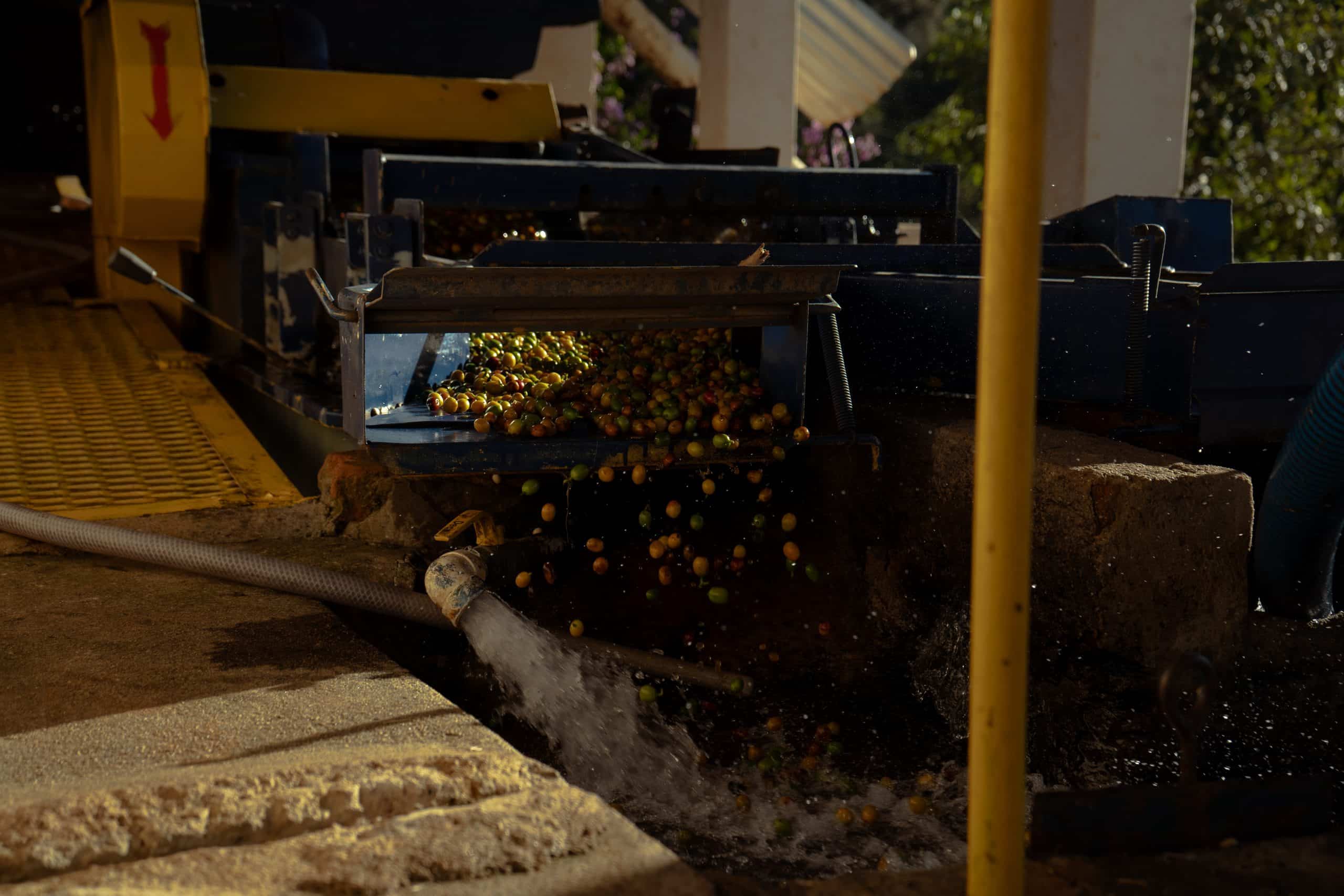
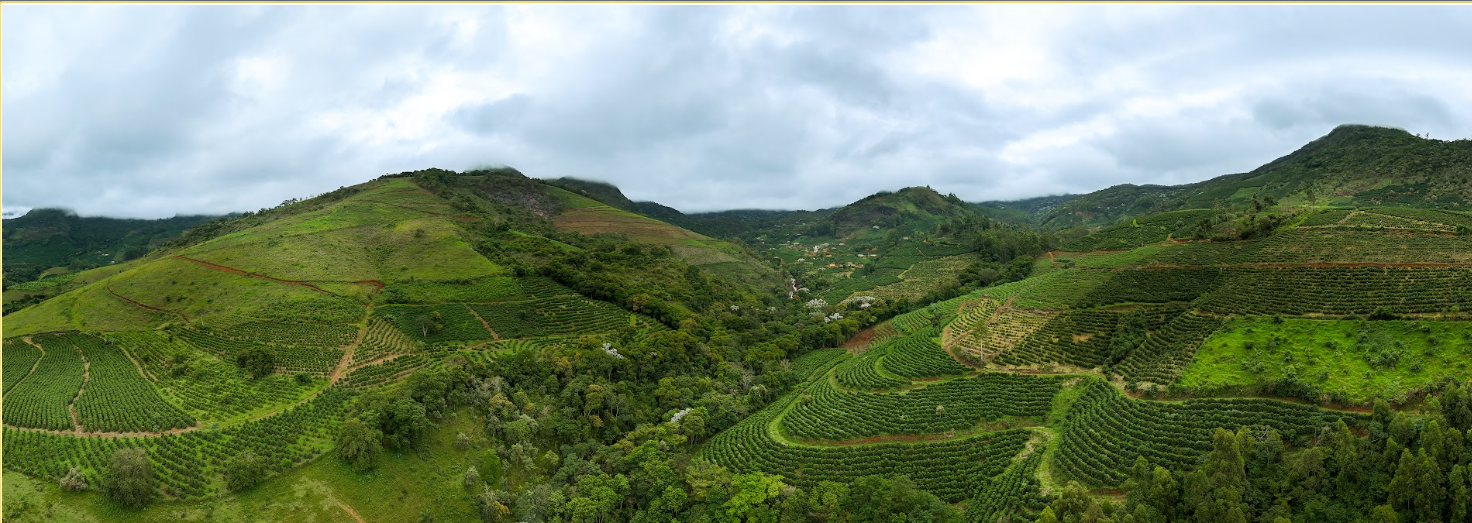
Origin Presence: Dedicated regional buying stations, cupping labs, and field agronomists positioned directly within producing regions. This footprint enables teams to track crop development from flowering through harvest, contract premier lots ahead of the spot market, and isolate quality discrepancies long before lots move toward port facilities.
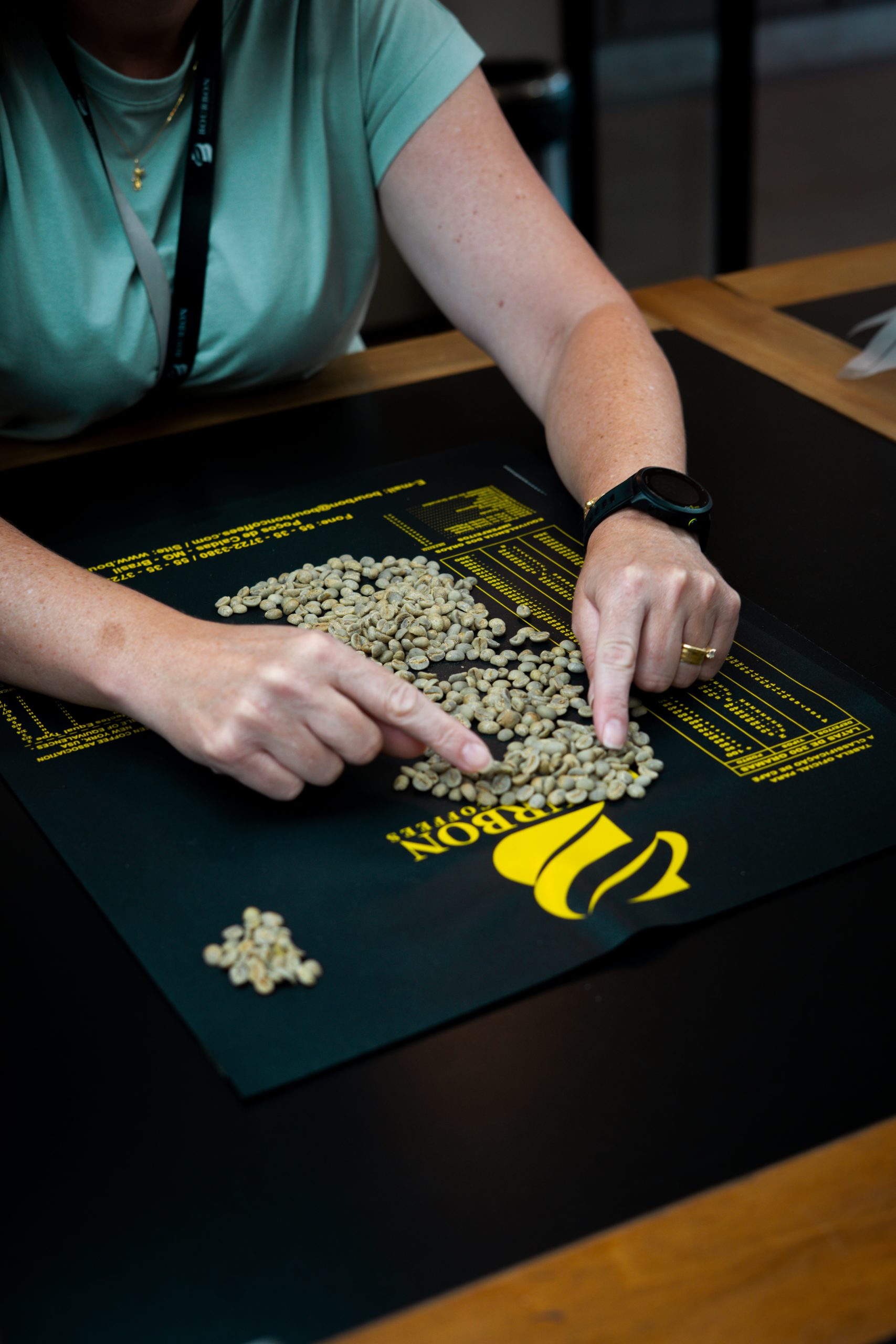
Rigorous Lot Curation: A standardized, documented protocol for coffee selection that extends beyond physical screen sizing and defect counts to encompass sensory grading conducted by certified Q Graders. Without documented lot curation, a pre-shipment sample approved on the cupping table risks failing to match the containerized parcel.
Documented Traceability: Transparent, auditable identification capturing origin, farm, producer, varietal, processing method, and technical specifications for every bag. Traceability operates both as a compliance mandate (under frameworks such as EUDR) and as a commercial differentiator.
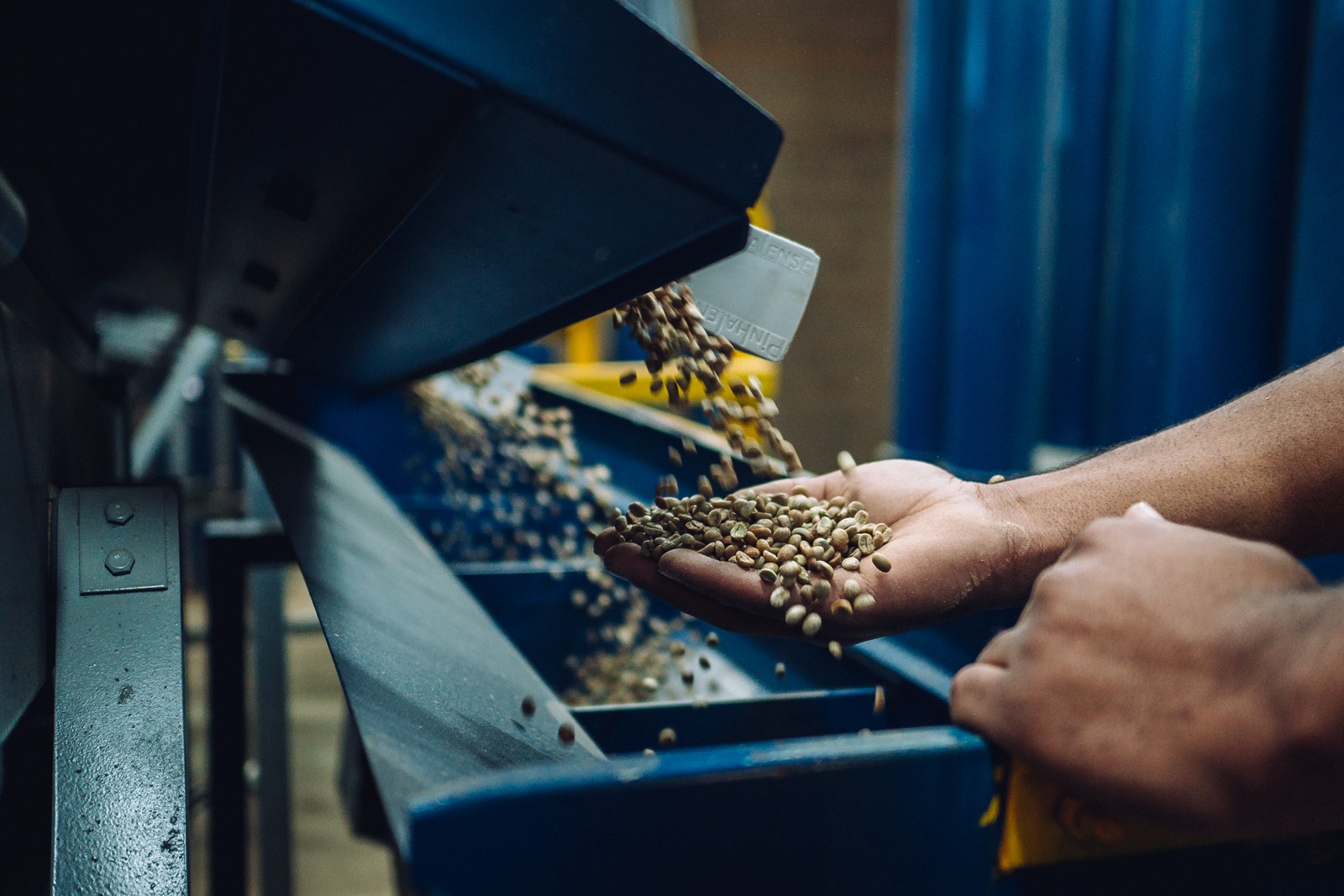
Pre-Shipment Quality Control (PSS): Final laboratory verification of moisture content, water activity, screen distribution, physical defect count, packaging integrity (GrainPro/liners), and final sensory evaluation prior to container stuffing. This represents the final line of defense before cargo risk legally transfers under Incoterms.
Export Documentation and Logistics Execution: Proactive administration of sales contracts, bills of lading, phytosanitary certificates, certificates of origin, and import-specific documentation to eliminate port customs clearance holds that disrupt roasting production schedules.
Beyond physical assets, execution requires a seasoned operations team equipped to manage the friction points inherent to international agricultural trade. According to Letizia Miglioranzi, Export Supervisor at Bourbon Specialty Coffees:
“The freight and port logistics are fundamentally the same for every exporter. What sets us apart is the attention to every single container and our operational proactivity: we actively monitor port terminal data, anticipate bottleneck decisions, offer viable contingency routes to our clients, and maintain total transparency across every milestone.”
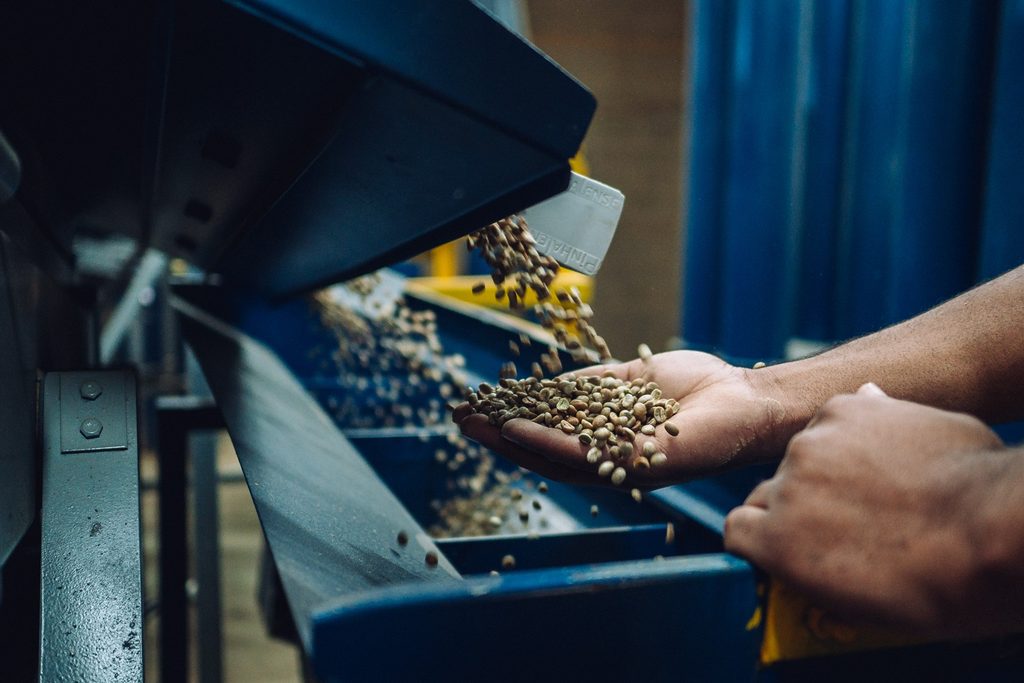
Structured quality control bridges the gap between what is contracted on paper and what arrives at the destination warehouse.
Exporters carry critical stewardship responsibilities while coffee is prepared and staged for international transit. A core pillar of this role involves verifying that shipped parcels fully mirror contracted specifications through verified Pre-Shipment Samples (PSS) and maintaining quality surveillance until vessel departure.
When an exporter lacks structured quality control procedures, buyers face three primary commercial risks:
Quality Substitution Risk: Sub-standard or lower-scoring parcels shipped in place of lots originally cupped and approved via sample a practice that surges during high-market cycles and spot shortages.
Documentary Non-Compliance Risk: Missing, delayed, or flawed export documentation that stalls customs clearance, incurs port storage and demurrage fees, and disrupts roasting schedules.
Inter-Harvest Inconsistency Risk: In the absence of sustained technical monitoring at origin, lots carrying the same commercial brand name or screen grade can display radically divergent moisture levels, roast development behavior, and cup profiles from one crop year to the next.
In volatile trading environments, long-term tenure between buyer, exporter, and farming community cannot be overstated.
Exporters maintaining multi-decade, direct partnerships with producers gain first-call access to premium harvests, advance visibility into yield projections, and the operational stability required to absorb micro-level origin anomalies without passing immediate friction to the overseas roaster. This level of origin integration cannot be replicated by brokers trading exclusively on the short-term spot market.
Supply chain intelligence platform Tridge underscores that counterparty default risk escalates sharply whenever commodity prices surge: delivery failures, lot quality substitutions, and vessel roll-overs occur far more frequently among intermediaries operating without rooted, long-term producer integration.
Evaluating an exporter solely on single-lot spot execution can be misleading. The real benchmark of operational reliability is an exporter’s ability to deliver consistent cup scores, physical standards, and technical parameters crop after crop, regardless of macro-market swings.
Delivering repeatable profiles year over year requires:
Continuous Origin Monitoring: Maintaining technical field visits throughout critical phenological stages—from flowering and pinhead development through bean filling, cherry maturation, and post-harvest drying—which dictate cup quality months prior to milling.
Standardized, Replicable Selection Protocols: Objective grading parameters, transparent tolerance limits for physical defects, and auditable sample logs that provide buyers with verified traceability data.
Technical Communication and Reporting: Comprehensive harvest forecasts, lot specification sheets, calibrated sensory evaluation forms, and actionable farm-level data delivered as integral components of the commercial service.
A resilient green coffee supply chain monitoring framework must encompass: forecasted availability windows, dry mill processing schedules, export port statuses, container allocations, and pre-cleared customs paperwork. Access to granular, real-time data transforms an otherwise unpredictable supply chain into a manageable operating plan.
For roasting operations with strict blend profiles and single-origin quality tiers, inter-harvest stability is essential to preserving brand equity in destination markets.
The continuous growth of the global green coffee sector mirrors the competitive pressures mounting on exporters and supply chain managers. The green coffee market is projected to expand from USD 34.20 billion in 2025 to USD 47.29 billion by 2031, reflecting a compound annual growth rate (CAGR) of 5.60%. Throughout this trajectory, verified sustainability, chain-of-custody traceability, and deforestation-free regulatory compliance have transitioned from optional value-adds to core market prerequisites.
Simultaneously, the integration of enterprise inventory systems, digital origin tracking, and analytical supply chain tools is redefining procurement and inventory management across both origin facilities and destination roasteries.
Procurement strategies based exclusively on the lowest nominal FOB price per bag are increasingly obsolete. In the green coffee landscape of 2026 and beyond, operational infrastructure, pre-shipment quality control, and origin presence represent an intrinsic, non-negotiable part of the true landed cost.

Amid ongoing market complexity, the delivery predictability required by roasters and green coffee importers rests upon the technical governance established at origin.
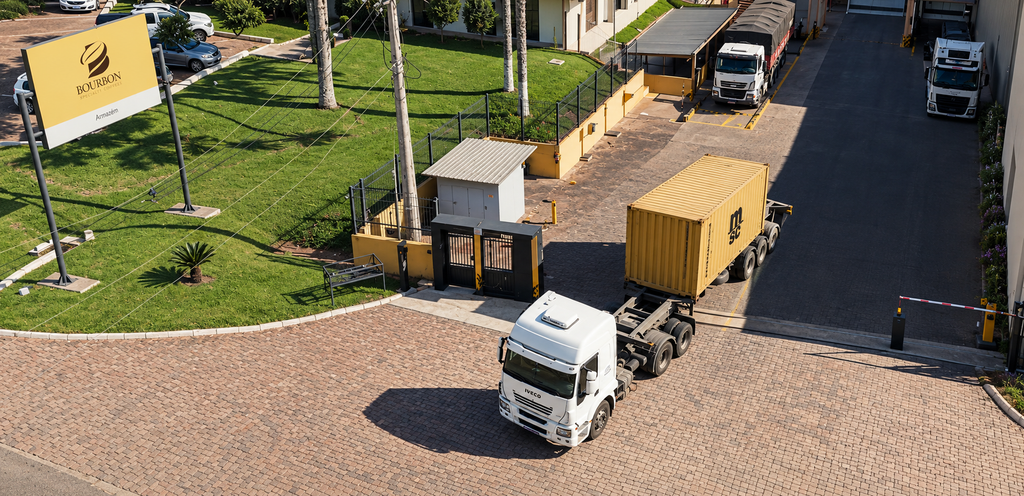
Headquartered in Poços de Caldas with operational presence across eight primary coffee-growing regions in Brazil, Bourbon Specialty Coffees operates as an integrated supply bridge. Backed by more than two decades in international trade, the company exports approximately 400,000 bags of green coffee annually to over 30 countries. Bourbon grounds its operations in rigorous pre-shipment sample validation, detailed regulatory diligence for destination markets, and seamless logistics coordination extending directly from the farm gate to vessel loading.
Quality control throughout the green coffee supply chain remains the most direct mechanism through which an exporter transfers operational security and risk protection to the buyer. In an era marked by structural market volatility, fluctuating currency dynamics, and tightening global trade requirements, aligning with origin partners supported by dedicated infrastructure is a strategic necessity.
Active origin presence, auditable traceability, disciplined lot selection, exhaustive pre-shipment inspections, and long-standing producer partnerships are not niche attributes. They represent the foundational operational baseline that determines whether an exporter can deliver on its contractual commitments—not merely on the initial purchase, but harvest after harvest, contract after contract.