The global coffee market is going through one of the most complex and dynamic moments of the past decade. After years of scarcity, historic price volatility and logistics bottlenecks that tested the resilience of importers and roasters around the world, the arrival of the new Brazilian crop brings a structural change in the landscape, and with it a set of decisions that buyers need to make with intelligence and well in advance.
The Brazilian green coffee 2026 crop is reaching the market in record volumes, but also with nuances and risks that no buyer can ignore.
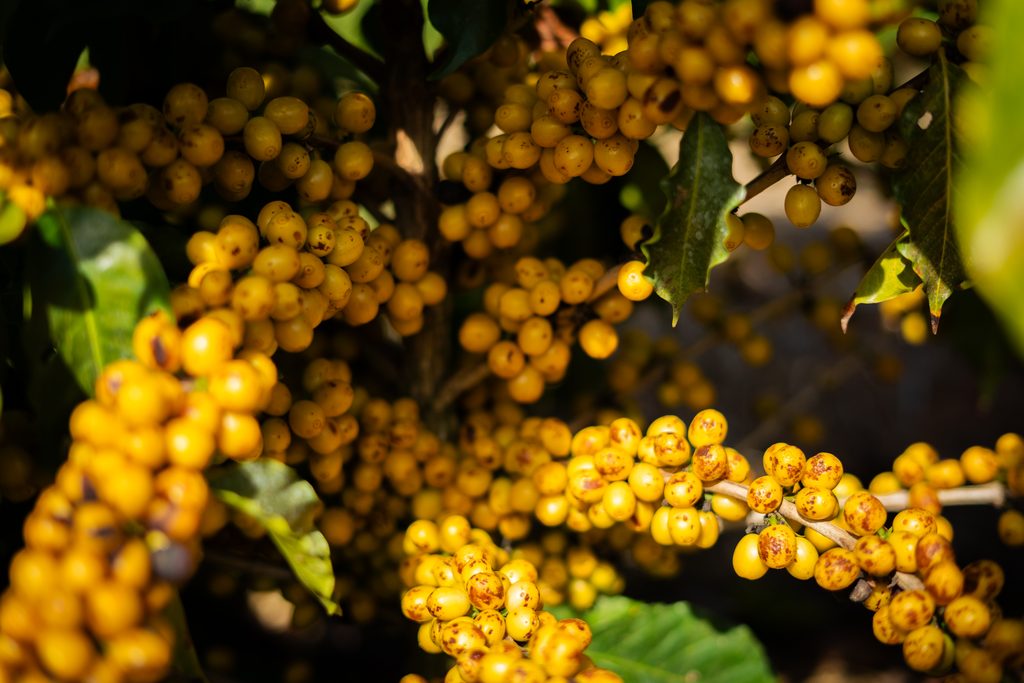
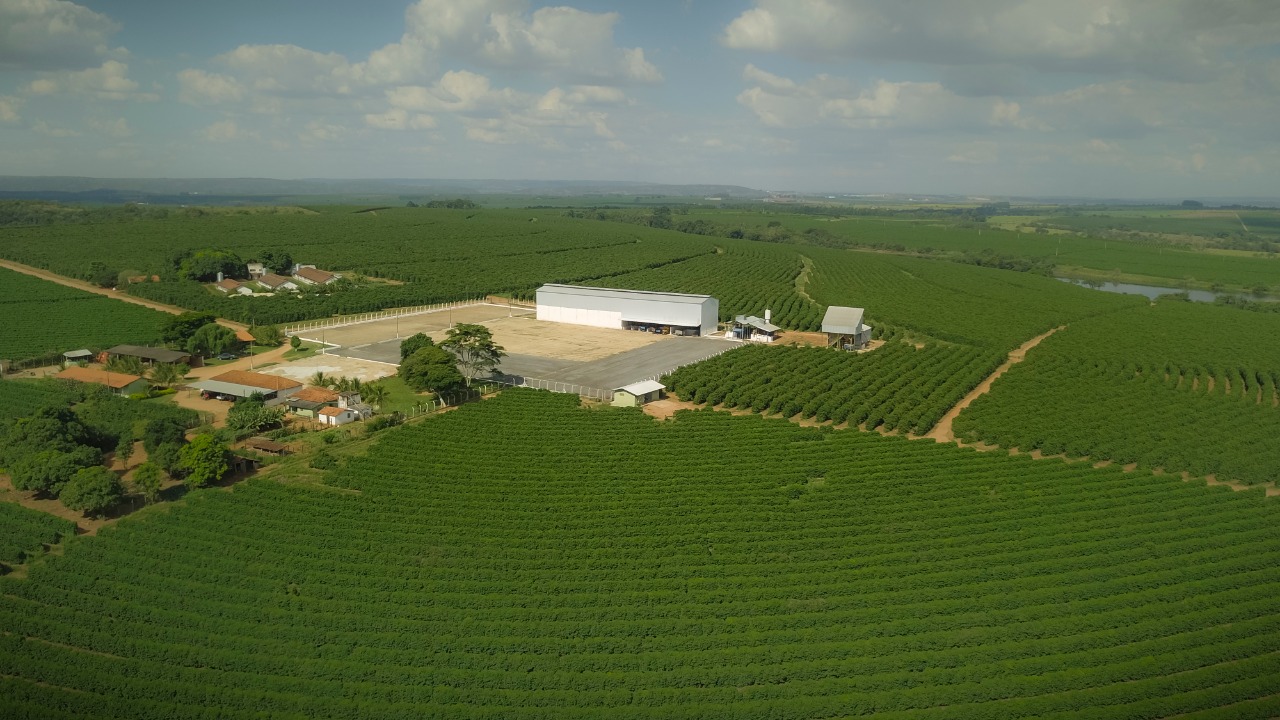
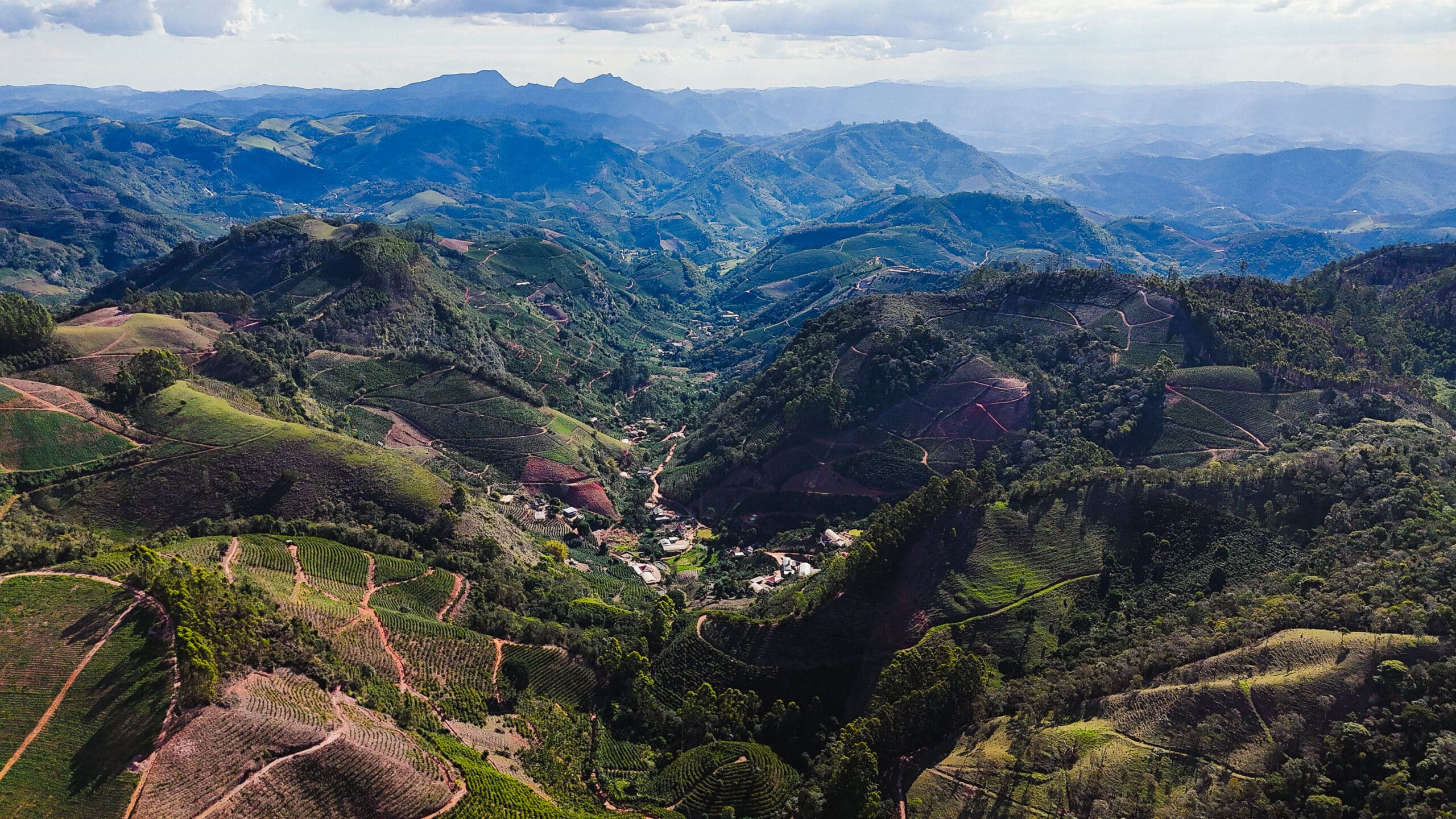
Brazil now has 2.35 million hectares planted with coffee, 4.4% more than in 2025. Of this total, 1.95 million are already producing, and 402,000 are young plants that will only give their first harvests in the coming crops.
Three things explain the larger crop. The first is planted area, which has grown. The second is the coffee tree’s natural cycle, which alternates a high-yield year with a lower-yield one; 2026 is a high-yield year. The third is the weather, which helped during the most important stages of fruit development. We must also consider the use of new varieties in plantings, which are increasingly efficient in productivity, resistance and quality. CONAB, Brazil’s national supply company, also points to the growing use of technology and inputs.
This larger crop is already starting to show up in exports. In August, Brazil shipped 3.8 million 60-kg bags abroad, the largest volume ever recorded for an August, worth US$ 1.2 billion. That is 43.2% more than in August 2025. From January to August, total exports reached 24.6 million bags, 6.6% less than in the same period last year, because stocks were low at the start of the year.
The Brazilian green coffee 2026 crop therefore represents a turning point after years of below-potential production, and this significantly changes the equation for any buyer in the international market.
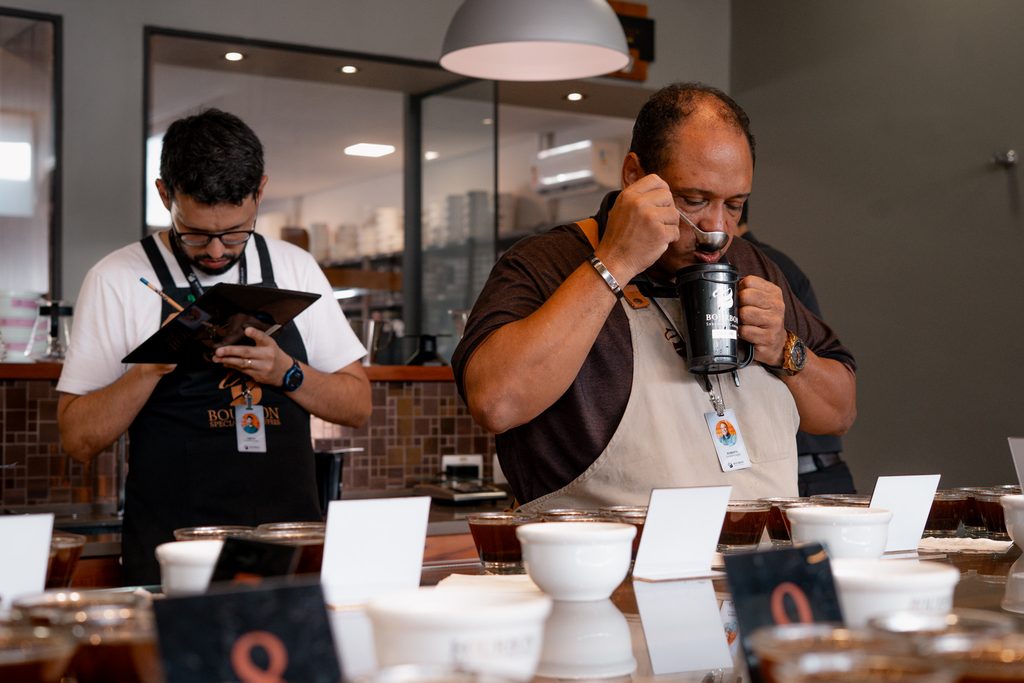
More volume does not necessarily mean more uniform quality. This is one of the most critical points for buyers watching the Brazilian green coffee 2026 crop.
Throughout the 2026/27 harvest, all arabica-producing regions recorded rainfall, which dramatically affected crop quality, as more than 20% of total production fell from the trees during this period.
The Brazilian green coffee 2026 crop reached the market at a moment of clear price reversal. After the historic highs of 2024 and early 2025, the prospect of a record crop in Brazil put significant downward pressure on prices.
In September 2026, the average price of green coffee exported by Brazil was US$ 329.21 per bag (down 9.8% from the same period of the previous year), according to Brazil’s Foreign Trade Secretariat (Secex).
Despite the downward trend in futures, analysts warn that Brazilian green coffee prices remain at historically high levels. In addition, backwardation (an inverted market) on the exchanges, when near-term contracts trade above later-dated contracts, reflects the perception that supply normalization will take time to consolidate in physical export flows.
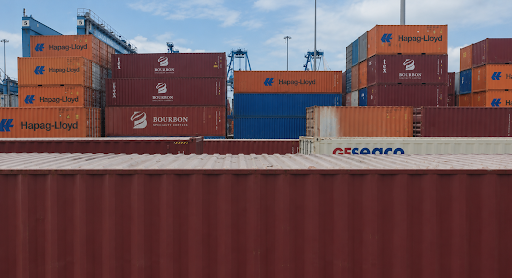
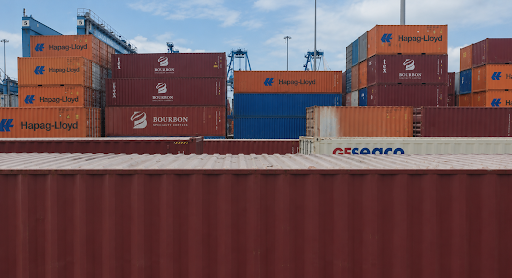
The arrival of the Brazilian green coffee 2026 crop on the international market is not just a matter of supply. It is, above all, a matter of logistics.
The Port of Santos handled 70.9% of Brazil’s coffee exports from January to August 2026 (17.788 million bags), according to Cecafé, the Brazilian Coffee Exporters Council. In 2025, about 55% of vessels at the country’s main ports faced delays or schedule changes which, according to the council, kept about 602,000 bags a month from being exported and cost its member exporters R$ 66.1 million. In September 2026, Cecafé again called for more yard and berth capacity at Santos.
Data on cumulative exports through August 2026 confirm this picture: although August recorded the highest monthly shipment volume in history, cumulative exports for the year are still down. The Port of Santos, which handled 70.9% of Brazilian coffee year to date (17.788 million bags), and the Rio de Janeiro port complex (24.9% of shipments) experienced severe bottlenecks in the second half.
Our practical suggestion for importers: work with flexible shipping windows, monitor the average vessel waiting time at Santos, and stay in close contact with your exporter about the operational status of the terminals, and with the shipping lines about space and container availability.
Based on everything the data reveals about the Brazilian green coffee 2026 crop, international buyers should prioritize the following points:
With isolated quality variations reported in different regions, require real physical samples.
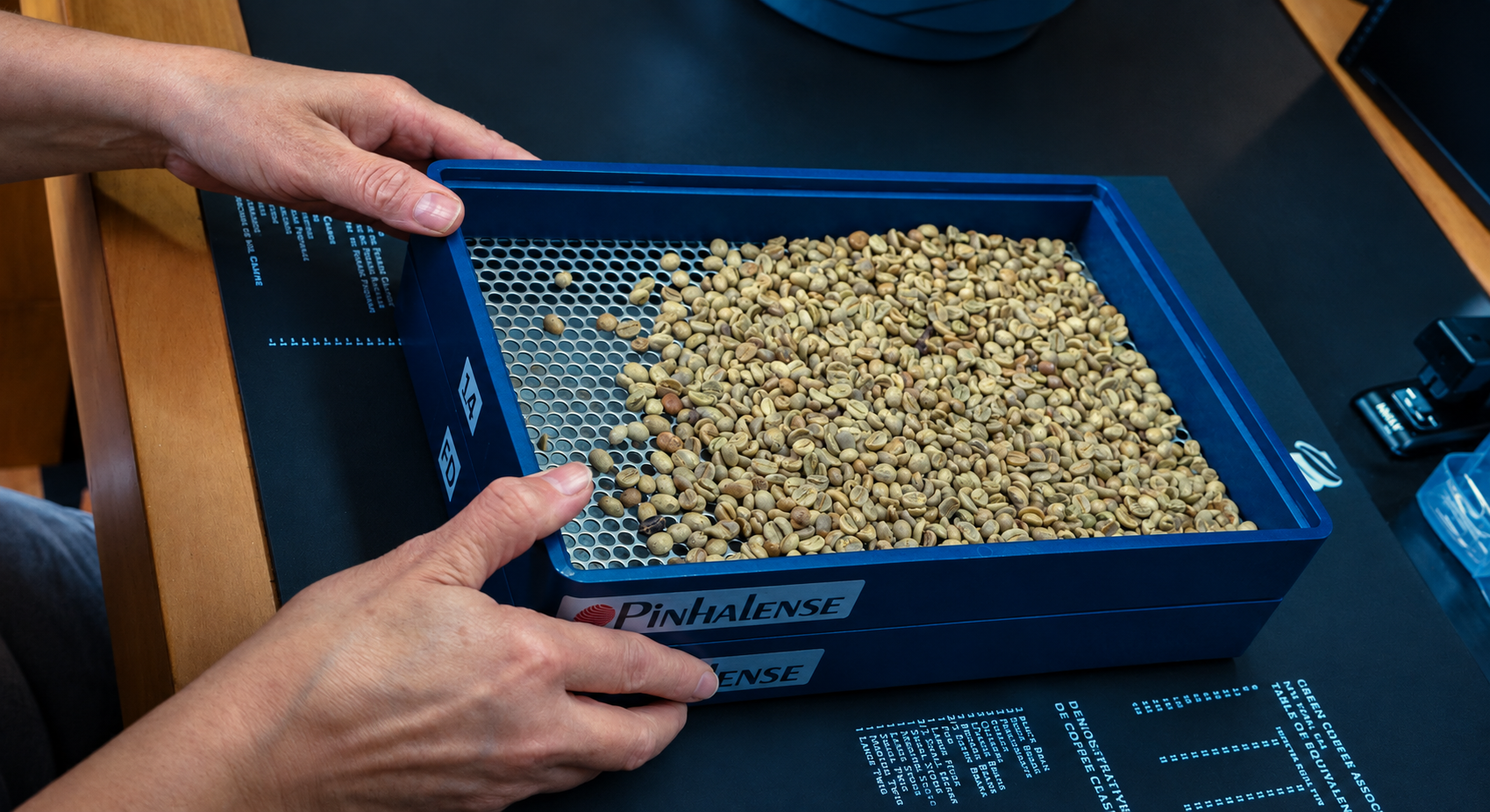
Given the concern over smaller bean size in some lots of the 2026/27 crop, clearly specify the minimum screen size required in the contract, especially for lots destined for blends or premium lines.
Define realistic shipping windows that take into account port bottlenecks and global logistics. Negotiate contractual flexibility to accommodate variations in logistics timing.
The current cycle of falling prices, driven by the prospect of a record crop, may represent an advantageous buying window for those who close contracts now for delivery in the first half of 2027.
In a market with a record crop but variable quality, closeness to the exporter is a strategic asset. Exporters with a presence at origin and rigorous lot curation will deliver consistency where the market is still uncertain.
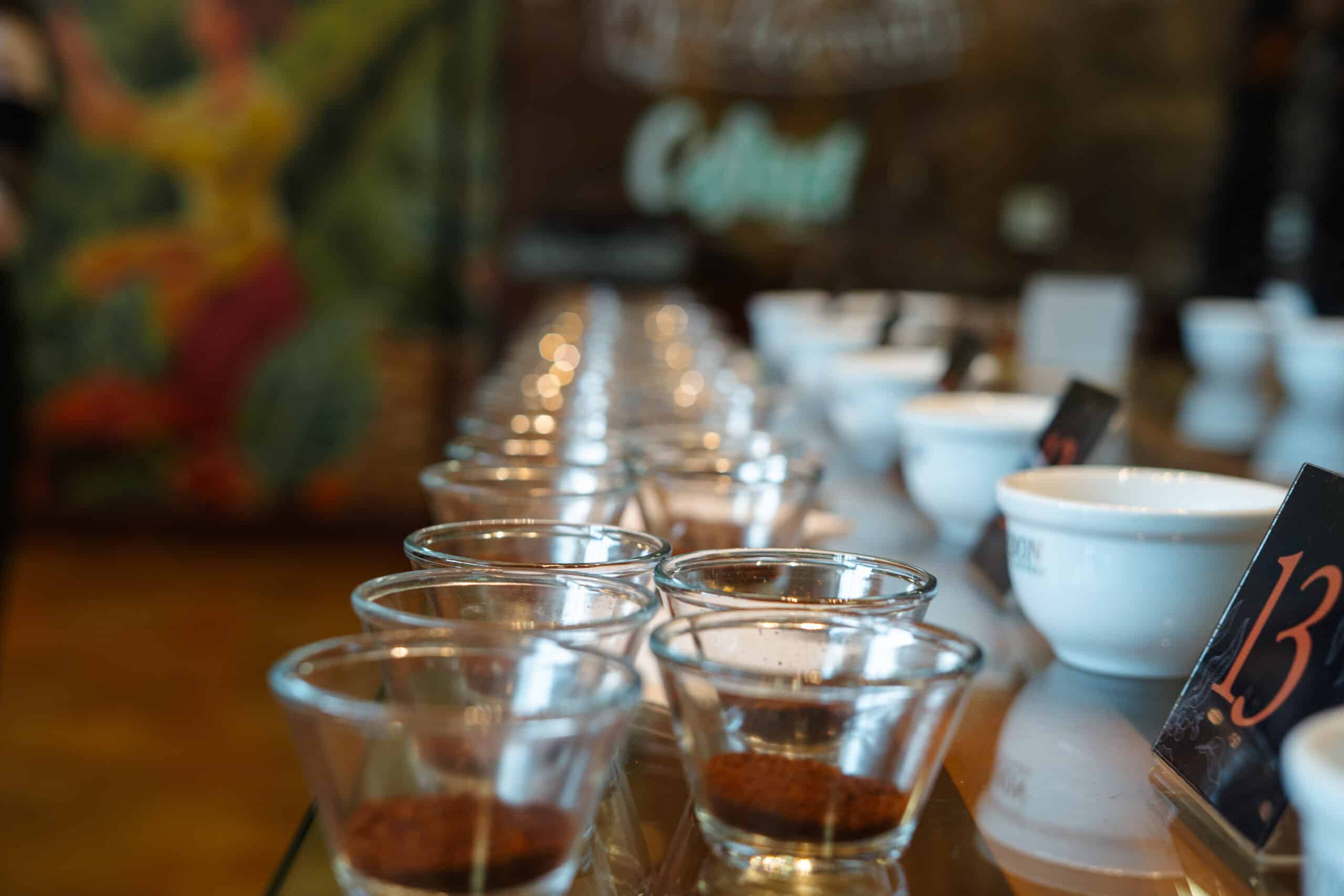
Given the sector’s constant challenges, Bourbon Specialty Coffees follows a management model built on strict control of origin and end-to-end traceability. We follow the coffee from crop management in the field to the critical management of shipping windows, including lot curation, sensory analysis and the creation of exclusive blends. This operational transparency, combined with our technical excellence, protects our customers from external swings and ensures consistent deliveries at the quality standard demanded by the global market.
Finally, it is worth stressing that with a large crop there is more coffee available on the market, but not every lot suits every buyer. Checking samples, agreeing on shipments well in advance and keeping a close relationship with the exporter help you pay a good price and receive the same coffee that was approved.