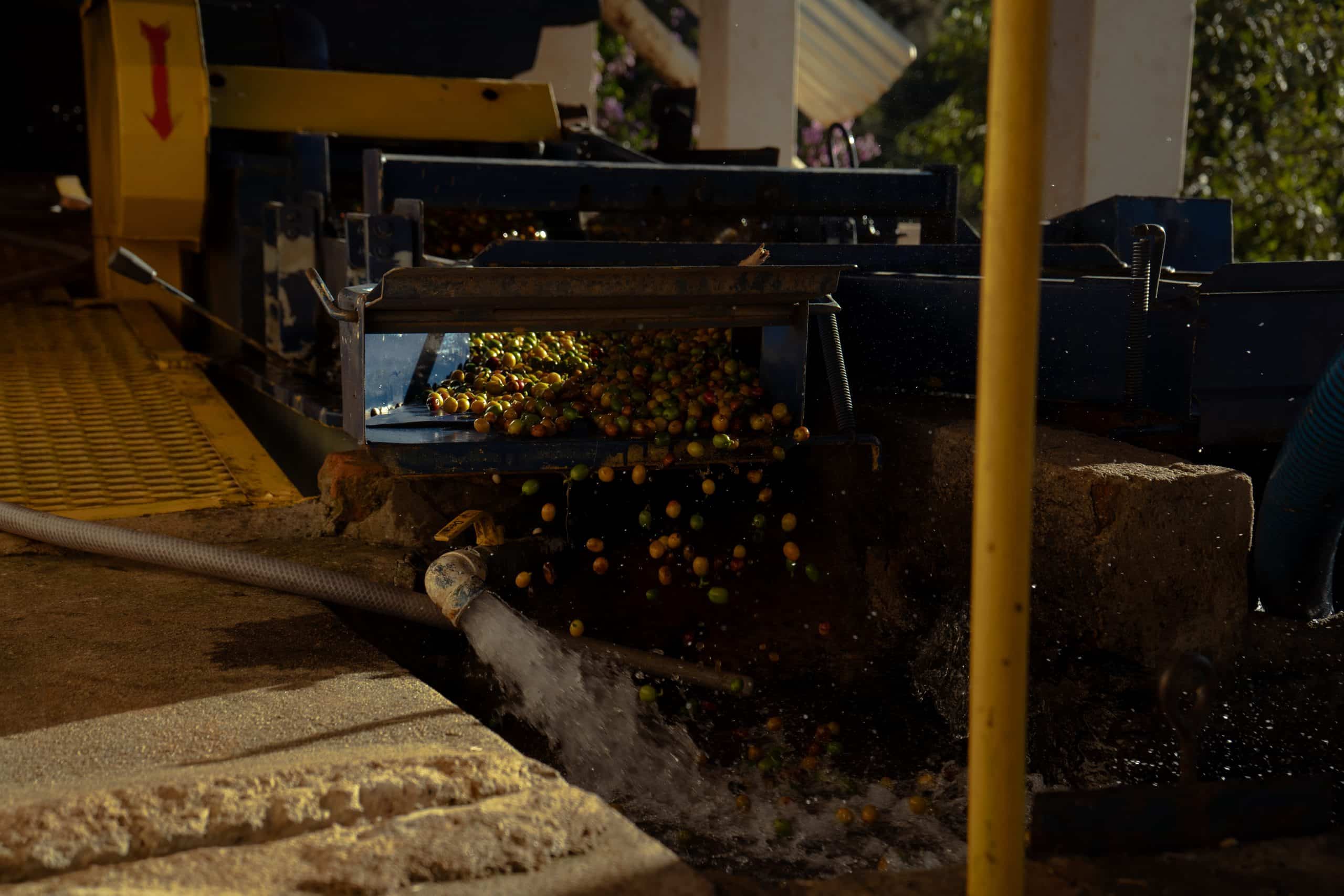
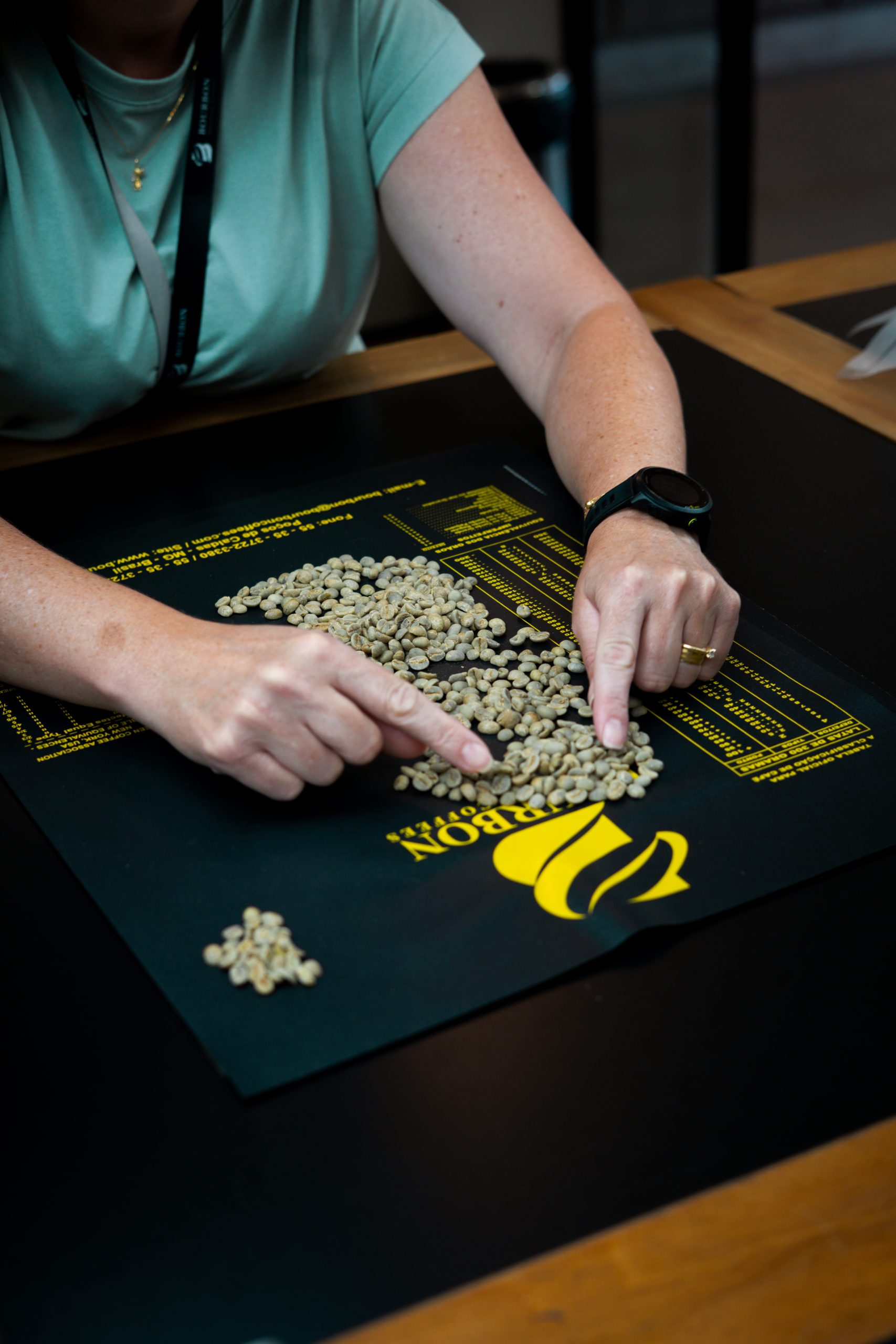
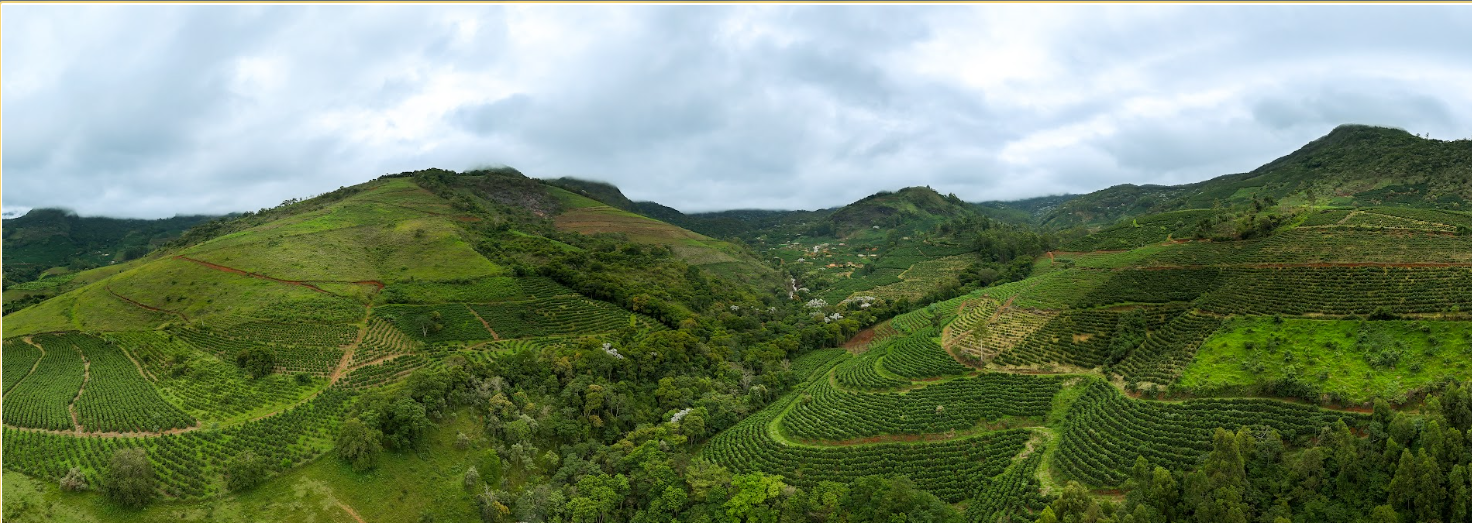
Throughout an entire year, coffee goes through several metamorphoses. First, there is the development of the leaves and the beauty of the flowering. Then, the plant goes through the expansion of the pinhead stage and bean formation. Finally, the fruit reaches perfect maturation for harvesting. Next, the beans leave the field. They go through the rigorous stages of dry milling and sorting. In these phases, teams dry, hull, and standardize the product. However, when all this preparation work ends, a new and decisive stage begins. This is the storage phase.
Coffee is a hygroscopic product. That is, it constantly tries to reach an equilibrium with the relative humidity of the surrounding air. Consequently, the bean absorbs moisture very easily. This makes it extremely sensitive to the exposure environment. Furthermore, bean deterioration is a natural and irreversible process. The main cause involves the degradation of cellular membranes. Lipid peroxidation and the loss of vital enzyme activity cause this breakdown.
In this context, the storage structure must minimize the beans’ exposure to oxygen. Additionally, it must avoid fluctuations in ambient humidity and temperature. Therefore, the fundamental goal of this post-harvest stage is to stabilize the product. Thus, the warehouse preserves the physical integrity and sensory quality of the coffee. This occurs during the gap between milling and actual commercialization.
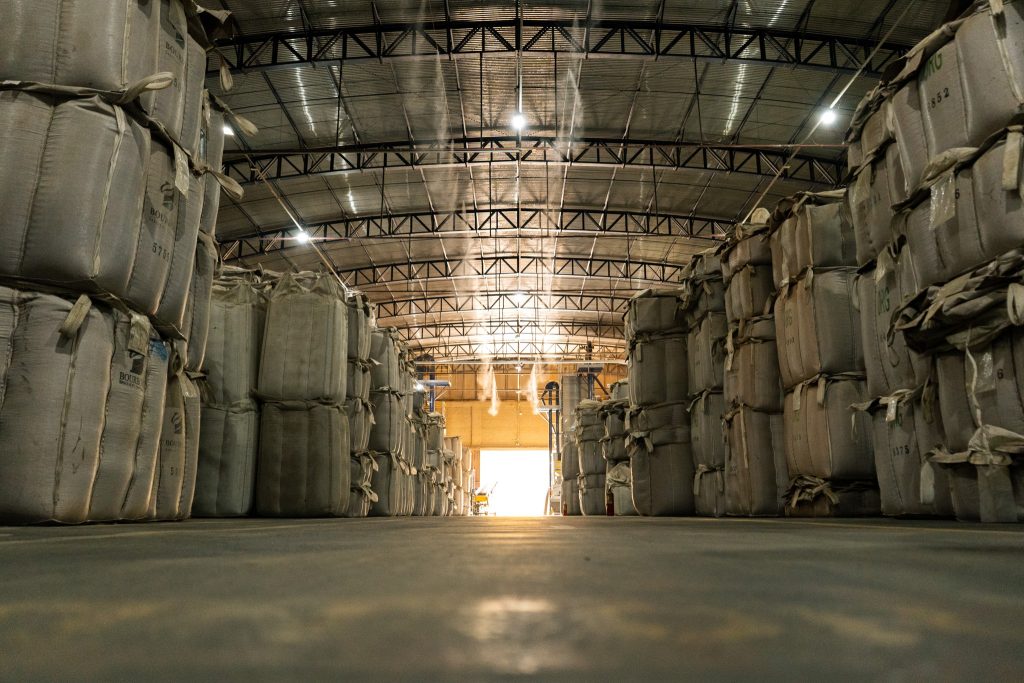
Historically, the industry has carried out conventional coffee storage in jute or paper bags. However, these materials have high permeability to gases and water vapor. Therefore, these packages leave the beans vulnerable to fluctuations in ambient temperature and humidity, since they are naturally hygroscopic. Consequently, this scenario accelerates the bean’s respiratory rate and promotes the disorganization of cellular membranes. Moreover, the process degrades flavor precursor sugars, such as sucrose. All of this culminates in the undesirable physical defect known as bleaching.
As a direct consequence of this metabolic degradation, coffee suffers a significant loss of sensory quality. This results in a significant drop in sensory quality. Faced with the risk of product depreciation, proper storage becomes a critical stage. In it, producers should not spare effort and investment. After all, this infrastructure guarantees the stability of the product. In this way, it ensures that the lot’s sensory profile faithfully meets the final customer’s expectations.
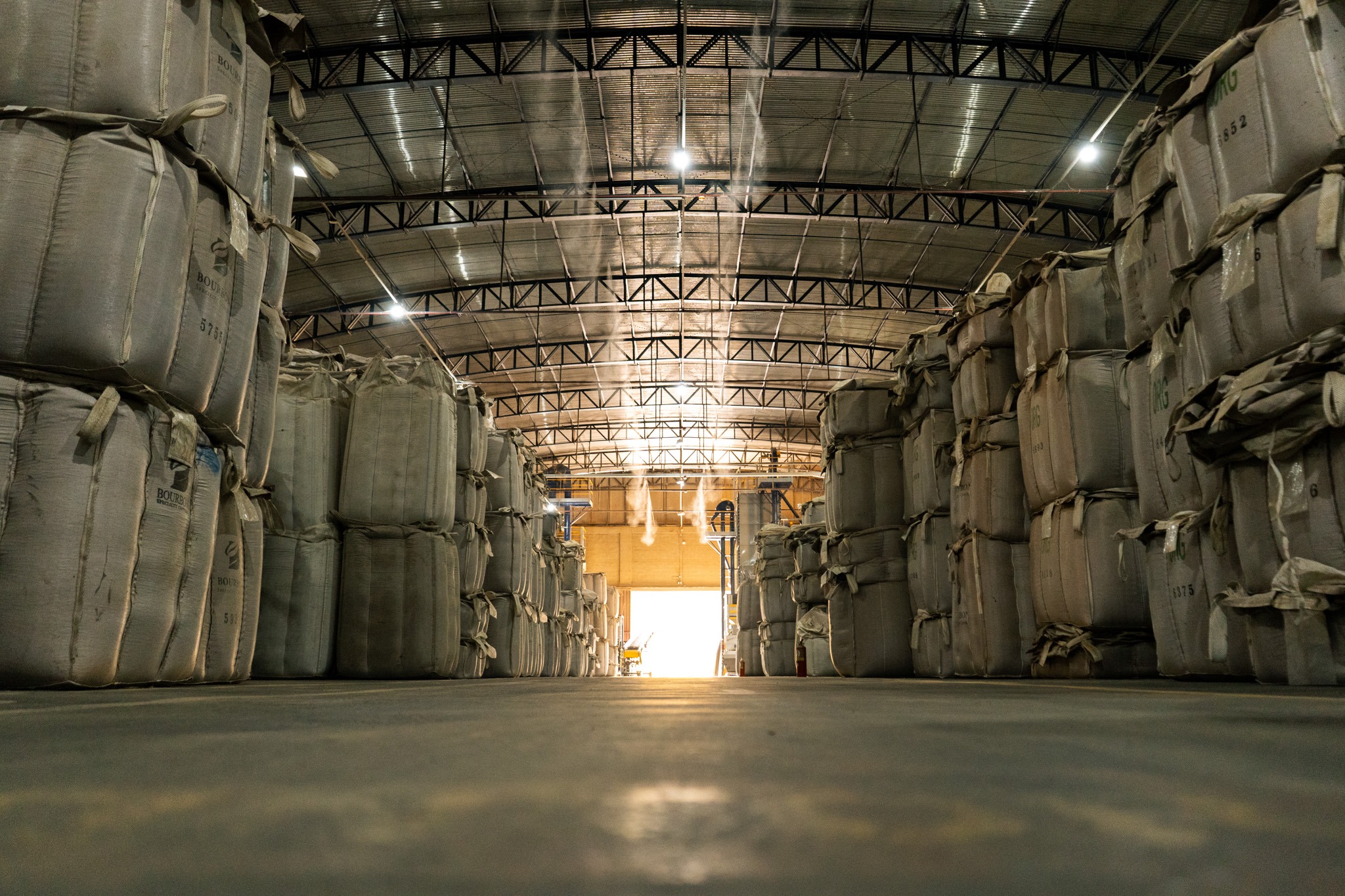
To reverse the risks of degradation, specialty coffee warehouses normally adopt a double protection system. Internally, the lots are packed and sealed in high-barrier hermetic liners (such as GrainPro or Videplast technologies). These polymers block the exchange of moisture, gases, and odors, isolating the coffee and establishing a stable internal microclimate. Externally, this technological envelope is covered by the classic jute or polypropylene bag, which no longer has direct contact with the bean and acts exclusively as a physical resistance structure, optimizing the transport and logistical handling of the lot.
It is exactly this isolated microclimate that preserves the coffee. Once sealed in the high-barrier packaging, the bean consumes all the residual internal oxygen. At the same time, it releases carbon dioxide. Consequently, this forces the coffee to enter an “energy-saving” mode and breathe much more slowly. This slowdown preserves the water and the natural sugars of the bean, which are responsible for the future flavor of the beverage. As a result, the process delays aging and maintains the highest quality for up to 18 months.
In addition to the packaging, the warehouse climate is another extremely important factor for the health of the bean. In conventional specialty coffee warehouses, the rule requires keeping the environment cool, with a maximum temperature of 21°C. Furthermore, the location must control air humidity around 70%. The space also needs good ventilation and total protection against direct sunlight. After all, solar rays can “fade” the beans and accelerate their aging, known as oxidation.
There is also the option of refrigerated storage, similar to a large wine cellar below 15°C. This technique is an excellent tool to freeze the original quality and flavor of the coffee in time. The big detail, however, is that cooling the air alters the ambient humidity. For this reason, the use of cold requires care so the bean does not end up “sweating” and reabsorbing water. Thus, the coffee must be in these hermetic packages. Alternatively, the warehouse must use rigorous equipment to dry the air.
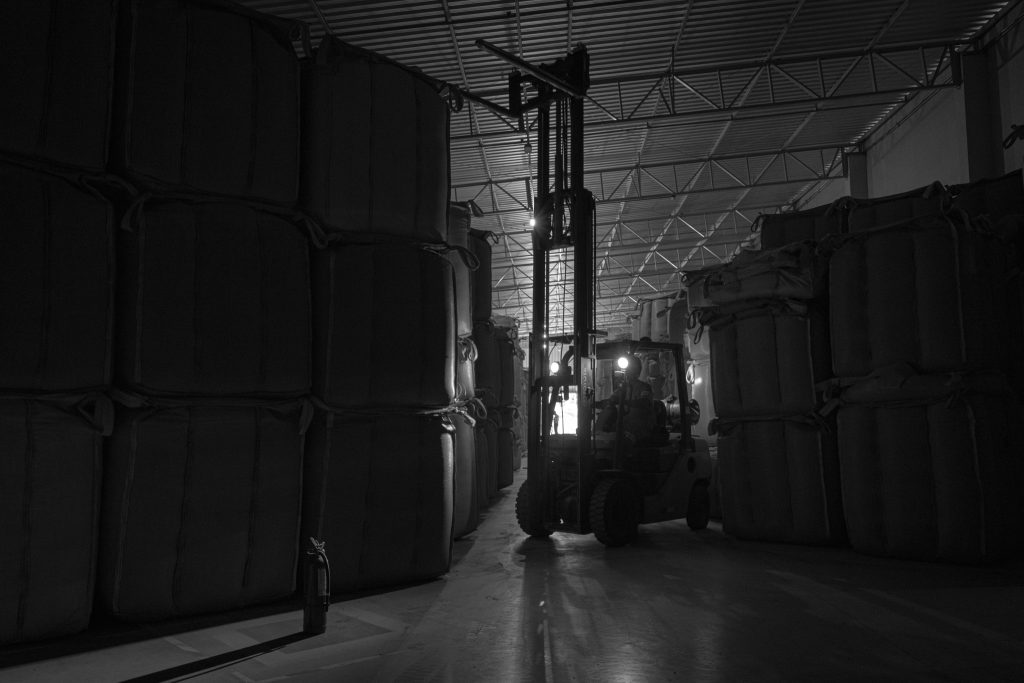
Ultimately, the answer to preserving the quality of green coffee lies in controlling time and the environment. To achieve this, the system unites the internal microclimate of hermetic packaging with the external control of warehouse temperature and humidity. Through this combination, the science of storage curbs the inevitable aging of the bean. Therefore, this invisible infrastructure shields the work done in the field. In addition, it prevents the drop in sensory quality. Finally, the process guarantees that the final customer receives in the cup exactly the excellence cultivated on the farm.